
Unhealthiest Texas Roadhouse Items: What to Avoid
Texas Roadhouse, known for its lively atmosphere, hand-cut steaks, and abundant portions, is a popular dining destination. However, for those mindful of their nutritional intake, certain menu items can pack a significant caloric, sodium, or fat punch. Understanding these choices is key to making more informed decisions when visiting the popular steakhouse chain. This article dives into some of the Texas Roadhouse menu items that, based on typical nutritional data, tend to be the highest in calories, saturated fat, and sodium, helping diners identify what to potentially avoid for a healthier meal in 2026.
Understanding Nutritional Pitfalls at Texas Roadhouse
Texas Roadhouse’s menu is designed for hearty appetites, emphasizing flavor and generous servings. This often translates to higher nutritional values in many dishes. The “worst” items are generally those that combine high-calorie ingredients, large portion sizes, and preparation methods that add significant fat or sodium. These often include fried appetizers, creamy sauces, rich side dishes, and certain steak cuts paired with high-fat toppings.
It’s important to note that “worst” is a relative term and depends on individual dietary goals. For someone strictly monitoring calorie intake, a dish might be considered “worst” due to its high calorie count. For another, the concern might be saturated fat or sodium content. This guide focuses on items that are commonly high across these metrics, providing a general overview for health-conscious diners.
The restaurant provides nutritional information, which is a valuable resource for making informed choices. Using tools like the Texas Roadhouse Nutrition Calculator can help individuals track their intake more precisely.
High-Calorie Appetizers: Starting Your Meal Off Right (or Wrong)
Appetizers at Texas Roadhouse are often designed for sharing, but their nutritional profiles can be substantial even for a single serving. Many of these starters involve frying or heavy sauces, contributing to their elevated calorie and fat content.
Fried Pickles
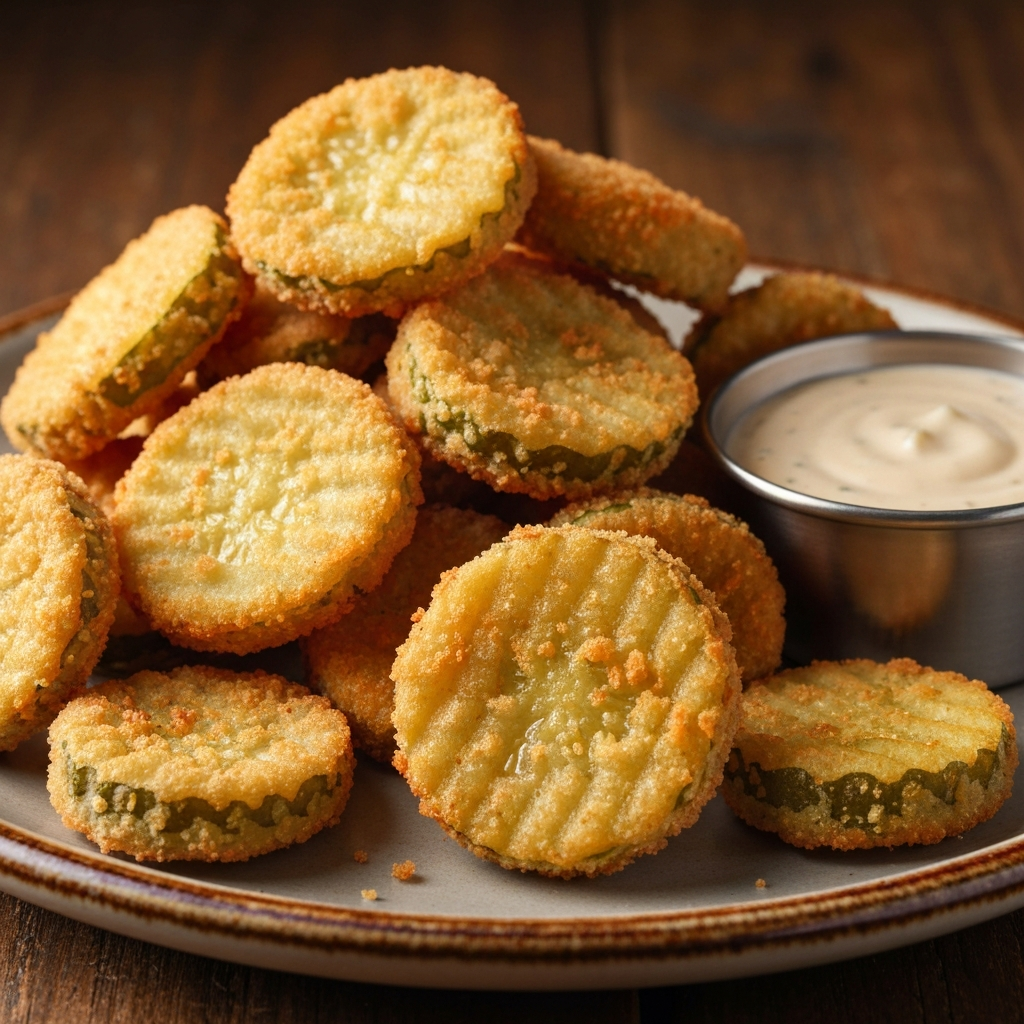
Fried pickles are a crowd-pleaser, offering a salty, tangy, and crispy bite. However, they are typically deep-fried, coating them in batter and then submerging them in hot oil. This process significantly increases their calorie and fat content. A typical serving can easily contain over 1,000 calories and a substantial amount of saturated fat, making them one of the more calorie-dense appetizer options. The batter itself adds carbohydrates and calories, while the frying process absorbs oil.
Loaded Ribs
While not strictly an appetizer, the “Loaded Ribs” can be ordered as a starter. These are fall-off-the-bone ribs coated in a barbecue sauce and then topped with cheese and bacon. The combination of fatty pork ribs, sugary barbecue sauce, cheese, and bacon creates a potent mix of calories, saturated fat, and sodium. Each component adds to the overall nutritional burden, making this a dish to approach with caution if health is a primary concern.
Cactus Blossom
The iconic Cactus Blossom is a whole onion, deep-fried and served with a dipping sauce. While visually impressive, this appetizer is a significant source of calories, fat, and sodium. The batter used for frying, combined with the large size of the onion and the creamy, often mayonnaise-based dipping sauce, contributes to its high nutritional values. A single serving can approach 1,000 calories or more, with a considerable portion of that coming from fat.
The Steak Dilemma: Choosing Wisely
Steaks are the centerpiece of the Texas Roadhouse menu, and while they can be a good source of protein, certain cuts and preparations can be exceptionally high in fat and calories. The way a steak is cooked and what it’s served with dramatically impacts its nutritional profile.
Ribeye Steak with Toppings
The Ribeye steak is known for its marbling, which contributes to its rich flavor and tenderness. However, this marbling also means a higher fat content compared to leaner cuts. When ordered with toppings like sautéed mushrooms and onions, garlic butter, or a creamy sauce, the fat and calorie count can skyrocket. A larger cut of Ribeye, especially when combined with these additions, can easily exceed 1,000 calories before any sides are even considered. The saturated fat content is also a key concern with this cut.
Dallas Filet with Butter
The Dallas Filet is often leaner than a Ribeye, but ordering it “covered” with butter or a rich sauce can negate its leaner qualities. A generous dollop of garlic-herb butter or a similar topping adds significant calories and fat, often saturated fat. While the filet itself is a good protein source, the added butter can transform it into a much richer, higher-calorie dish. Diners seeking a leaner steak option might opt for a smaller portion or request minimal butter.
Porterhouse Steak
The Porterhouse is one of the largest steaks offered, combining a New York strip and a filet mignon. While it provides a substantial amount of protein, its sheer size means a very high calorie count. A 20-ounce Porterhouse steak alone can contain upwards of 1,500 calories, and this is before any seasonings, butter, or side dishes are added. For individuals or couples, this single item can represent a significant portion of their daily caloric needs.
Side Dishes: Where Hidden Calories Lurk
Texas Roadhouse offers a variety of side dishes, many of which are indulgent and contribute significantly to the overall meal’s calorie, fat, and sodium content. While some healthier options exist, the more popular choices often lean towards the decadent.
Loaded Sweet Potato
The “Loaded Sweet Potato” is a prime example of how a healthy base can be transformed into a calorie bomb. A baked sweet potato is topped with marshmallows, caramel sauce, cinnamon, and butter. This combination turns a nutritious vegetable into a dessert-like item. The sugars from the marshmallows and caramel, along with the butter, add a substantial amount of calories and sugar, making it one of the less healthy side options.
Creamy Mashed Potatoes
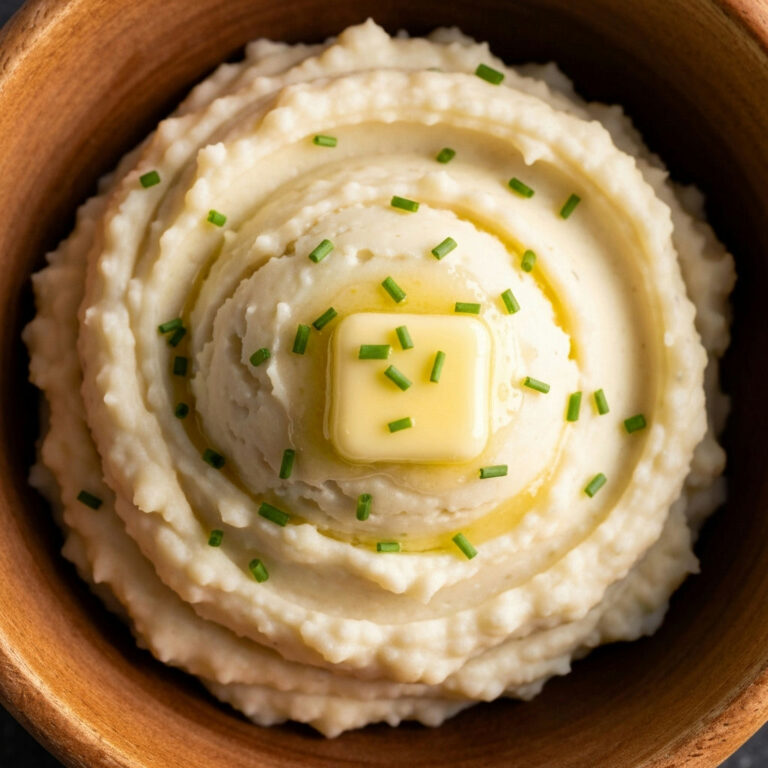
Mashed potatoes are a classic comfort food, but Texas Roadhouse’s version often includes butter, cream, or milk, significantly increasing its fat and calorie content. A large serving of creamy mashed potatoes can contribute hundreds of calories and a considerable amount of saturated fat to a meal. While potatoes themselves offer potassium and fiber, the preparation method here prioritizes richness over health.
Macaroni and Cheese
The Macaroni and Cheese at Texas Roadhouse is typically a rich, cheesy, and creamy side dish. Made with pasta and a blend of cheeses, often with a creamy sauce, it’s high in carbohydrates, fat, and sodium. A typical serving can contain several hundred calories and a significant portion of the daily recommended sodium intake. This side dish is often considered a treat rather than a regular accompaniment for those watching their diet.
Seasoned Rice
While rice itself can be a neutral side, the “Seasoned Rice” at Texas Roadhouse often contains butter and other flavorings that increase its calorie and fat content. Depending on the specific preparation, it can be more caloric than a simple steamed rice. It’s advisable to inquire about the preparation method or opt for simpler sides if calorie or fat intake is a concern.
Other High-Calorie Menu Items
Beyond steaks and traditional sides, other items on the Texas Roadhouse menu can also contribute significantly to a meal’s unhealthiness.
Grilled Salmon with Butter Sauce
While salmon is a healthy fish rich in omega-3 fatty acids, the preparation method at Texas Roadhouse can alter its nutritional profile. The “Grilled Salmon” is often served with a lemon pepper butter sauce. This butter sauce adds a considerable amount of fat and calories to what would otherwise be a lean protein option. A large portion, combined with the butter sauce, can push the calorie count higher than anticipated. Opting for the salmon without the butter sauce or with a lighter seasoning can make it a healthier choice.
Chicken Critters
These are bite-sized pieces of fried chicken, similar to chicken tenders. Being deep-fried, they absorb a significant amount of oil, making them high in calories and fat. While they are a popular choice, especially for families, they represent a less healthy protein option compared to grilled or baked chicken. The breading adds carbohydrates, and the frying process adds fat.
Texas Size Chili
The “Texas Size Chili” is a hearty, meat-based chili. While chili can be a good source of protein and fiber (if beans are included), a “Texas Size” portion implies a very large serving. Depending on the amount of meat, cheese, and sour cream added, this dish can be quite high in calories, saturated fat, and sodium. It’s important to consider the portion size and any toppings when ordering.
Fried Chicken Sandwiches
While not a staple, when available, fried chicken sandwiches are typically high in calories, fat, and sodium due to the breading, frying process, and often rich sauces or toppings. The bun also adds refined carbohydrates.
Understanding Sodium Content
High sodium intake is a significant health concern, linked to increased blood pressure and other cardiovascular issues. Many items at Texas Roadhouse, especially those involving processed meats, cheese, sauces, and fried components, can be very high in sodium.
- Appetizers: Fried items, cheese-laden starters, and salty seasonings contribute to high sodium levels.
- Steaks: While steak itself isn’t inherently high in sodium, marinades, rubs, and added butter sauces can significantly increase it.
- Sides: Creamy, cheesy, and heavily seasoned sides are often sodium powerhouses. Even seemingly simple sides can be loaded with salt during preparation.
- Sauces and Dressings: Many signature sauces and dressings are high in sodium, as well as sugar and fat.
For individuals monitoring their sodium intake, it is crucial to ask about preparation methods and opt for simpler, less processed options.
Making Healthier Choices at Texas Roadhouse
Navigating a menu like Texas Roadhouse’s doesn’t mean you have to avoid it entirely. With a few strategies, you can enjoy your meal while making more health-conscious decisions.
Leaner Protein Options
- Choose Grilled or Baked: Opt for grilled chicken or fish over fried options like Chicken Critters.
- Leaner Steak Cuts: If you opt for steak, consider a smaller portion of a leaner cut like the Sirloin or Filet Mignon. Ask for it cooked plain or with minimal butter.
- Ask for Sauces on the Side: This allows you to control the amount of sauce you use, reducing fat, sodium, and calories.
Smarter Side Selections
- Steamed Vegetables: If available, steamed vegetables are an excellent low-calorie, nutrient-dense choice.
- Side Salad: Opt for a side salad with a vinaigrette dressing instead of creamy options.
- Baked Potato (Plain): A plain baked potato offers fiber and nutrients. Skip the loaded toppings and add your own light seasoning.
- Corn on the Cob: A good source of fiber, especially when eaten without butter.
Appetizer Strategies
- Share Appetizers: If you choose an appetizer, share it among multiple people to reduce your individual portion.
- Choose Wisely: Opt for lighter appetizers if available, such as a side salad or a lighter soup.
Beverage Choices
- Water: Stick to water, unsweetened iced tea, or diet sodas to avoid empty calories from sugary drinks.
The Importance of Portion Control
Texas Roadhouse is known for its generous portions. Even healthier choices can become less healthy if consumed in excessive amounts.
- Consider a Lunch Portion: If available, lunch portions are typically smaller than dinner portions.
- Take Leftovers Home: Don’t feel obligated to finish everything on your plate. Pack up half your meal to enjoy later.
- Order Strategically: Sometimes, ordering a smaller steak and a healthier side might be more balanced than a large steak with indulgent sides.
Conclusion
Texas Roadhouse offers a diverse menu with many appealing, hearty options. However, for diners prioritizing their health, understanding which menu items tend to be highest in calories, saturated fat, and sodium is crucial. Items like the Fried Pickles, Loaded Sweet Potato, and certain preparations of steak and chicken can significantly increase the nutritional burden of a meal. By making informed choices, focusing on leaner proteins, selecting healthier sides, practicing portion control, and utilizing resources like the Texas Roadhouse Nutrition Calculator, guests can still enjoy the Texas Roadhouse experience while aligning with their dietary goals. Ultimately, awareness and strategic ordering are key to navigating any restaurant menu healthily.
Frequently Asked Questions
What are the highest calorie items at Texas Roadhouse?
The highest calorie items at Texas Roadhouse typically include appetizers that are deep-fried and loaded with toppings, such as the Fried Pickles and Cactus Blossom, which can approach or exceed 1,000 calories per serving. Certain large steak cuts, particularly the Ribeye with added butter or sauces, and indulgent side dishes like the Loaded Sweet Potato and Creamy Mashed Potatoes, also contribute significantly to high calorie counts. For precise figures, the Texas Roadhouse Nutrition Calculator is a valuable resource.
Are all steaks at Texas Roadhouse unhealthy?
No, not all steaks at Texas Roadhouse are inherently unhealthy, but their preparation and portion size greatly influence their nutritional impact. Leaner cuts like the Sirloin or Filet Mignon can be good sources of protein. However, opting for larger portions, fattier cuts like the Ribeye, or adding butter, rich sauces, or high-fat toppings can significantly increase the calorie and saturated fat content. Choosing a plain steak with minimal added fats is a healthier approach.
What are the healthiest side dish options at Texas Roadhouse?
Healthier side dish options at Texas Roadhouse generally include items that are less processed and prepared with minimal added fats or sugars. These typically include steamed vegetables (if available), a side salad with a vinaigrette dressing, a plain baked potato (without toppings like cheese, bacon, or sour cream), or corn on the cob (preferably without excessive butter).
How can I reduce sodium intake when eating at Texas Roadhouse?
To reduce sodium intake at Texas Roadhouse, avoid fried appetizers and opt for simpler starters like a side salad. Choose grilled or plain-prepped entrees like chicken or fish, and ask for sauces and dressings to be served on the side. Select sides that are less likely to be heavily salted, such as steamed vegetables or a plain baked potato, and limit the consumption of processed items, cheese, and cured meats. Always inquire about preparation methods if you are concerned about sodium content.
Is it possible to eat healthy at Texas Roadhouse?
Yes, it is possible to eat healthy at Texas Roadhouse by making conscious and informed choices. Focus on leaner protein options like grilled chicken or fish (requesting sauces on the side), select healthier sides such as steamed vegetables or a plain baked potato, and practice portion control by sharing meals or taking leftovers home. Avoiding fried items, heavy sauces, and overly indulgent sides will significantly contribute to a healthier dining experience.
What is the nutritional impact of Texas Roadhouse’s signature peanuts?
The signature peanuts served at Texas Roadhouse are a source of healthy fats, protein, and fiber. However, they are also calorie-dense and can be high in sodium, depending on how they are prepared and seasoned. Consuming them in moderation is key, as a handful can add a significant number of calories and sodium to your meal, especially if you’re not mindful of portion sizes.