Is Texas Roadhouse Healthy? 2026 Nutrition Guide
Texas Roadhouse, a beloved American chain, is famous for its hand-cut steaks, fall-off-the-bone ribs, and, of course, those legendary cinnamon butter-drenched rolls. For many, it’s a go-to spot for a hearty, satisfying meal. But as dining trends increasingly lean towards health-conscious choices, a question naturally arises: is Texas Roadhouse healthy? With over 600 locations across the United States as of 2026, this question is on the minds of many diners seeking to balance indulgence with well-being.
This article dives deep into the nutritional landscape of Texas Roadhouse. We’ll dissect popular menu items, explore healthier alternatives, and provide actionable insights for making smarter choices. Understanding the calorie counts, fat content, sodium levels, and other nutritional details will empower you to enjoy your Texas Roadhouse experience without completely derailing your health goals. Let’s uncover the truth behind the Texas Roadhouse menu and determine if it can indeed be part of a healthy eating plan.
Understanding the Texas Roadhouse Dining Experience

Texas Roadhouse positions itself as a casual dining restaurant offering a lively atmosphere and generous portions. The menu features a wide array of options, from various steak cuts and chicken dishes to seafood and seafood and appetizers. The emphasis is on flavor and abundance, which often translates to higher calorie and fat content.
The restaurant also provides complimentary bread baskets featuring warm, yeast rolls served with a rich cinnamon butter. While a delightful treat, these rolls are a significant source of added sugar and calories before the main meal even begins. Side dishes, often served family-style, can also contribute substantially to the overall nutritional profile of a meal.
Deconstructing the Texas Roadhouse Menu: Nutritional Deep Dive
To answer “is Texas Roadhouse healthy?”, we must examine the nutritional components of its signature dishes. The following breakdown highlights common choices and their approximate nutritional values. It’s important to note that these figures can vary based on preparation methods, portion sizes, and specific modifications.
Steaks: The Centerpiece of the Menu
Texas Roadhouse is renowned for its steaks. While steak can be a good source of protein and essential nutrients like iron and zinc, the preparation and cuts significantly impact its healthiness.
- Dallas Filet (6 oz): This leaner cut offers a good protein punch. However, depending on preparation (e.g., added butter or sauces), it can still contain a considerable amount of fat and calories. A typical preparation might range from 350-450 calories, with 20-30g of fat.
- Ribeye (12 oz): A fattier cut, the Ribeye is rich in flavor but also in saturated fat and calories. A 12 oz Ribeye can easily exceed 800-1000 calories and 60-80g of fat.
- New York Strip (10 oz): This cut offers a balance between leanness and marbling. A 10 oz New York Strip can hover around 600-750 calories and 40-55g of fat.
Key takeaway: Opting for leaner cuts like the filet and requesting minimal added butter or sauces can make steak a more health-conscious choice.
Chicken and Other Proteins
Beyond beef, Texas Roadhouse offers chicken, pork, and seafood options.
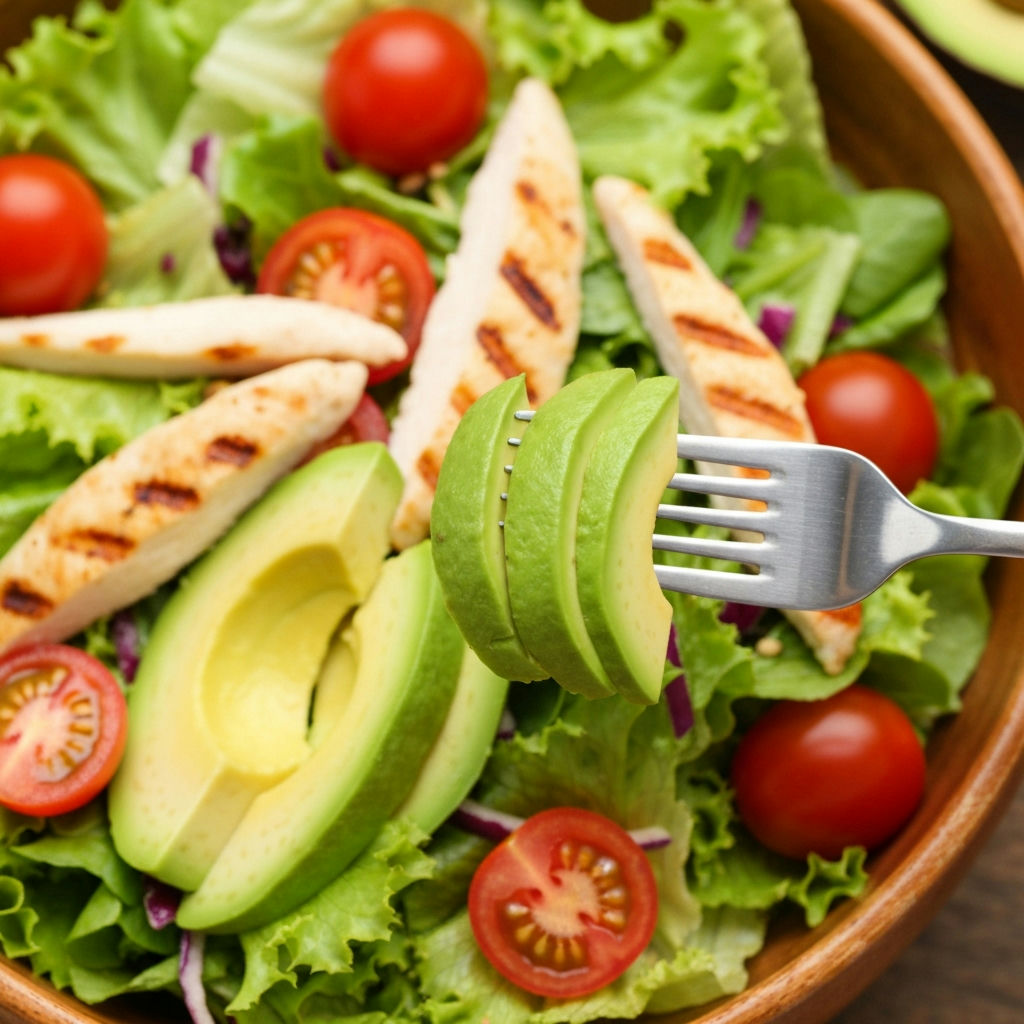
- Grilled Chicken Salad: This can be a relatively healthy option, provided the dressing is applied judiciously. A grilled chicken salad, without creamy dressings or excessive toppings, might be around 400-500 calories. However, options like the Crispy Buttermilk Chicken Salad can easily double that calorie count.
- Grilled Salmon: Salmon is a good source of omega-3 fatty acids. A grilled salmon entree, depending on portion size and preparation (e.g., lemon butter sauce), could range from 500-700 calories and 30-40g of fat.
- Smothered Chicken: This dish, often featuring a creamy sauce and cheese, tends to be high in calories and fat. A typical serving can reach upwards of 700-900 calories and 50-60g of fat.
Key takeaway: Grilled or roasted preparations of chicken and fish are generally healthier than fried or smothered options.
Side Dishes: The Hidden Calorie Bombs
The side dishes at Texas Roadhouse are often where the meal’s nutritional profile can drastically shift. Many are prepared with butter, cheese, and high-sodium seasonings.
- Mashed Potatoes with Gravy: A standard serving can contain 300-400 calories and a significant amount of sodium and fat due to butter and gravy.
- Loaded Sweet Potato: While sweet potatoes themselves are nutritious, the “loaded” version often includes butter, marshmallows, and caramel sauce, pushing the calorie count to 500-600 calories or more.
- Green Beans: Plain steamed or lightly seasoned green beans are a healthy choice. However, Texas Roadhouse’s version often includes bacon and seasonings, increasing the fat and sodium content. A side might contain 150-250 calories.
- Steak Fries: A large order of fries is high in calories and fat, often exceeding 400-500 calories.
Key takeaway: Choosing lighter sides like steamed vegetables (requesting no butter or seasoning), a side salad with vinaigrette, or plain baked potatoes can significantly improve the healthiness of your meal.
Appetizers and Baskets
The appetizers and bread baskets are often the first culinary encounters at Texas Roadhouse, and they can set a high-calorie precedent.
- Rattlesnake Bites: These fried cheese bites are a popular appetizer. A serving can contain upwards of 800-1000 calories and 50-70g of fat.
- Bread Rolls with Cinnamon Butter: A single roll with cinnamon butter can contribute around 200-250 calories and 15-20g of sugar. Sharing is essential, or better yet, skipping them entirely.
Key takeaway: Appetizers are often high in calories, fat, and sodium. Consider sharing one appetizer among a group or opting for lighter choices like a side salad.
Making Healthier Choices at Texas Roadhouse
Despite its reputation for hearty meals, it is possible to make healthier selections at Texas Roadhouse. The key lies in mindful ordering and understanding the nutritional impact of different choices.
Smart Ordering Strategies
- Choose Leaner Proteins: Opt for grilled chicken, grilled salmon, or leaner steak cuts like the Dallas Filet. Ask for your protein to be grilled, baked, or roasted rather than fried or smothered.
- Control Portion Sizes: If available, select smaller entree sizes. Consider sharing larger entrees or taking half home for another meal.
- Be Mindful of Sides: Swap out high-calorie sides for healthier alternatives.
- Good Choices: Steamed vegetables (request no butter/seasoning), side salad with vinaigrette dressing, baked potato (plain or with minimal toppings like sour cream), rice (plain).
- Limit/Avoid: Mashed potatoes with gravy, loaded sweet potatoes, steak fries, mac and cheese.
- Sauces and Dressings on the Side: Always ask for dressings and sauces to be served on the side. This allows you to control the amount used. Creamy dressings and buttery sauces can significantly increase calorie and fat content.
- Skip the Rolls (or Share Wisely): The complimentary rolls are a major calorie and sugar contributor. Consider skipping them altogether or agreeing to share just one or two with your dining companions.
- Hydrate Smartly: Stick to water, unsweetened iced tea, or diet sodas. Regular sodas, sweetened teas, and alcoholic beverages add empty calories.
Healthier Menu Item Examples
Based on these strategies, here are some potentially healthier meal combinations:
- Grilled Chicken Breast with a side of Steamed Vegetables and a Side Salad (vinaigrette on the side).
Dallas Filet (6 oz) ordered plain*, with a Baked Potato (plain or with a small amount of sour cream) and Green Beans (requesting light seasoning).
- Grilled Salmon with a side of Rice and Steamed Vegetables.
Nutritional Data Sources and Considerations
The nutritional information provided by restaurants can be a valuable tool for making informed decisions. Texas Roadhouse, like many major chains, offers nutritional information for its menu items. However, accessing this data requires a proactive approach.
- Official Website: The most reliable source for nutritional data is typically the restaurant’s official website. Look for a dedicated “Nutrition” or “Allergens” section. As of 2026, Texas Roadhouse provides a comprehensive nutrition guide online.
- Third-Party Apps and Websites: Numerous health and nutrition tracking apps and websites compile restaurant menu data. While often accurate, cross-referencing with official sources is recommended.
- Variability: Remember that nutritional values are estimates. Actual content can vary based on ingredient sourcing, preparation techniques, and portion sizes. For instance, the amount of butter used on a steak or in mashed potatoes can differ between cooks and locations.
Sodium Content: A Major Concern
One significant nutritional aspect to consider at Texas Roadhouse is the high sodium content in many dishes. Chain restaurants, in general, often use sodium for flavor enhancement and preservation.
- High Sodium Sources: Fried foods, processed meats, sauces, gravies, and seasoned sides are typically high in sodium.
- Health Implications: Excessive sodium intake is linked to high blood pressure, heart disease, and stroke. The American Heart Association recommends limiting sodium intake to less than 2,300 milligrams per day, with an ideal limit of 1,500 mg for most adults.
- Texas Roadhouse Example: A single meal at Texas Roadhouse, especially if it includes appetizers, a high-sodium entree, and certain sides, can easily exceed the daily recommended sodium limit. For example, a fully loaded meal could potentially reach 3,000-4,000 mg of sodium or more.
Strategy: If sodium is a concern, explicitly ask for your meal to be prepared with minimal salt. Choosing grilled over fried options and being selective with sides and sauces can help manage sodium intake.
Fat Content: Saturated vs. Unsaturated
The fat content of Texas Roadhouse meals is another area requiring attention. While some fats are essential, others, particularly saturated and trans fats, should be consumed in moderation.
- Saturated Fats: Primarily found in animal products like red meat and butter, high intake of saturated fat can raise LDL (“bad”) cholesterol levels.
- Unsaturated Fats: Found in fish (like salmon), nuts, and plant-based oils, these are generally considered healthier fats.
- Trans Fats: Often found in fried foods and baked goods made with partially hydrogenated oils, trans fats are particularly detrimental to heart health. While many restaurants have reduced or eliminated trans fats, it’s still a factor to consider with fried menu items.
- Balancing Act: Choosing leaner protein sources and opting for healthy preparation methods can help manage fat intake. For instance, grilled salmon provides beneficial unsaturated fats, whereas a fatty steak cut or fried chicken will be higher in saturated fats.
Sugar Content: Beyond the Obvious
Sugar intake is often overlooked in savory dishes, but it can be a hidden contributor to a meal’s overall calorie count and health impact.
- Cinnamon Butter Rolls: As mentioned, these are a primary source of added sugar.
- Sweet Potatoes: While naturally containing sugars, the added toppings significantly increase the sugar load.
- Sauces and Marinades: Some barbecue sauces, glazes, and marinades used on chicken and ribs can contain substantial amounts of added sugar.
Strategy: Be aware of sweet-glazed or sauced items. Opting for simple preparations and limiting sugary sides or appetizers is key.
Can Texas Roadhouse Be Part of a Healthy Diet?
The answer to “is Texas Roadhouse healthy?” is nuanced. No, Texas Roadhouse is not inherently a health food restaurant. Its core offerings are designed for flavor and satisfaction, often involving generous portions, rich ingredients, and indulgent preparations.
However, yes, it is possible to make healthier choices at Texas Roadhouse. By employing strategic ordering, focusing on lean proteins, mindful side selections, and portion control, diners can create meals that align better with their health objectives.
Consider the following:
- Frequency: Occasional dining at Texas Roadhouse is unlikely to derail a healthy lifestyle, especially if most meals are balanced.
- Individual Goals: What constitutes “healthy” varies. For someone managing calorie intake, portion control is paramount. For someone monitoring sodium, avoiding high-sodium items is crucial.
- Preparation is Key: The difference between a meal that aligns with health goals and one that doesn’t often lies in how it’s prepared and what accompanies it.
Healthier Alternatives and Modifications
When dining at Texas Roadhouse, actively seek modifications that can lighten your meal:
- “Smothered” Dishes: Ask for the sauce and cheese on the side, or opt for a lighter preparation if possible.
- Salad Dressings: Always request dressings on the side and choose vinaigrettes over creamy options.
- Butter: Ask for butter on the side for baked potatoes or bread.
- Seasoning: Request minimal salt and seasoning on grilled items and vegetables.
Texas Roadhouse vs. Other Casual Dining Chains
Comparing Texas Roadhouse to other casual dining establishments reveals similar challenges. Most American casual dining chains offer large menus with a mix of indulgent and potentially healthier options.
- Similarities: High calorie counts, significant sodium, and large portion sizes are common across many steakhouse and American cuisine chains.
- Differences: Specific menus, signature dishes, and the availability of lighter options can vary. Some chains might emphasize salads or lighter protein preparations more prominently than others.
Ultimately, the principles of healthy eating—balancing macronutrients, controlling portions, limiting sodium and added sugars, and choosing whole, unprocessed foods when possible—apply universally, regardless of the restaurant.
Frequently Asked Questions About Texas Roadhouse Nutrition
Is Texas Roadhouse “healthy”?
Texas Roadhouse is generally not considered a “healthy” restaurant in the traditional sense, as many of its popular dishes are high in calories, saturated fat, sodium, and added sugars. The focus is on hearty, flavorful meals, which often means larger portions and richer preparations. However, it is possible to make healthier choices by selecting leaner proteins, lighter sides, and being mindful of sauces and dressings.
What are the healthiest options on the Texas Roadhouse menu?
Healthier options typically include grilled chicken or fish entrees, leaner steak cuts like the Dallas Filet, and side dishes such as steamed vegetables (requesting no butter or seasoning), a side salad with vinaigrette, or a plain baked potato. Ordering sauces and dressings on the side allows for better portion control.
How many calories are in the Texas Roadhouse rolls?
A single Texas Roadhouse yeast roll with cinnamon butter can contain approximately 200-250 calories. These rolls are also significant sources of sugar and fat, making them a high-calorie indulgence that can quickly add up.
Can I eat at Texas Roadhouse if I’m trying to lose weight?
Yes, you can eat at Texas Roadhouse while trying to lose weight by making conscious, healthier choices. Focus on lean protein, control portion sizes, choose low-calorie side dishes, and limit high-fat, high-sodium, and high-sugar items like fried appetizers, rich sauces, and the complimentary rolls.
What is the sodium content like at Texas Roadhouse?
The sodium content at Texas Roadhouse can be very high, often exceeding daily recommended limits in a single meal. Fried items, seasoned meats, gravy, certain sides like mashed potatoes, and appetizers are common sources of excessive sodium.
Are there vegan or vegetarian options at Texas Roadhouse?
Texas Roadhouse primarily focuses on meat entrees. While some sides like green beans, corn, rice, and baked potatoes can be prepared vegan or vegetarian upon request (e.g., without butter or bacon), the overall menu is not geared towards plant-based diets, and dedicated vegan/vegetarian entrees are limited.
Conclusion: Balancing Indulgence with Health
Navigating the menu at Texas Roadhouse requires a strategic approach for those prioritizing health. While the restaurant excels at delivering a satisfying, flavorful dining experience, its offerings often lean towards calorie-dense, high-fat, and high-sodium profiles.
The key takeaway is that is Texas Roadhouse healthy depends entirely on your choices. By opting for grilled preparations, leaner protein cuts, lighter side dishes, and controlling portions and additions like sauces and butter, you can curate a meal that better aligns with your nutritional goals. Understanding the nutritional impact of popular items, from the famous rolls to hearty steaks and rich sides, empowers you to make informed decisions.
Ultimately, Texas Roadhouse can remain a viable option for a treat or a social gathering, even for the health-conscious, provided you dine mindfully. It’s about balancing the enjoyment of a hearty meal with an awareness of its nutritional components, ensuring that occasional indulgence doesn’t compromise your overall well-being.