High Protein Meals at Texas Roadhouse (2026 List)
Did you know that a single steak dinner can pack over 60 grams of protein? For fitness enthusiasts and those prioritizing a high-protein diet, understanding menu options at popular restaurants like Texas Roadhouse is crucial. This guide dives deep into the Texas Roadhouse menu, highlighting the most protein-rich choices available in 2026, helping you make informed decisions without compromising your dietary targets.
Understanding Protein’s Role in Fitness
Protein is a fundamental macronutrient essential for muscle repair, growth, and overall bodily function. Active individuals, particularly those engaged in strength training or endurance sports, require higher protein intake to support recovery and adaptation. According to the Academy of Nutrition and Dietetics, protein needs for athletes can range from 1.2 to 2.0 grams per kilogram of body weight per day, significantly more than the general population’s recommended dietary allowance of 0.8 grams per kilogram. Consuming adequate protein also aids in satiety, which can be beneficial for weight management goals. When dining out, identifying protein sources on menus can be challenging due to preparation methods and hidden ingredients. Texas Roadhouse, known for its hearty American fare, offers several excellent options for those seeking a protein boost.
Texas Roadhouse: A Closer Look at Protein Content
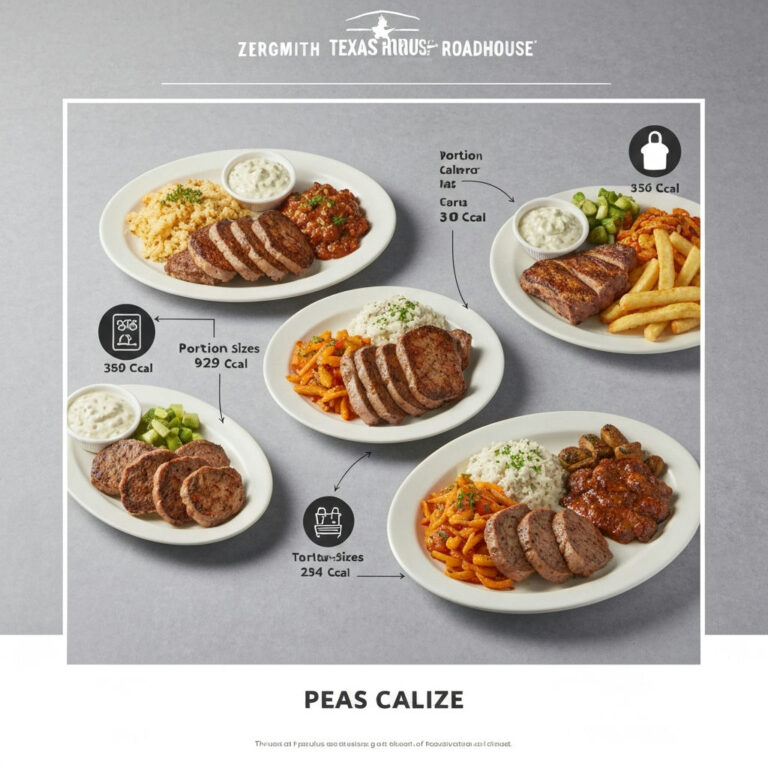
Texas Roadhouse’s menu centers around hand-cut steaks, ribs, and chicken, which are naturally high in protein. However, preparation methods, portion sizes, and added sauces or sides can significantly alter the final nutritional profile. This section breaks down the key protein sources and offers insights into maximizing your protein intake.
Steak Selections: The Protein Champions
Steaks are the cornerstone of the Texas Roadhouse experience and are typically the highest protein items on the menu. The protein content varies based on the cut and size.
- Ribeye Steak: A well-marbled cut, the Ribeye is rich in flavor and protein. A standard 6 oz. Ribeye can deliver approximately 36-42 grams of protein. Opting for a larger size, like the 8 oz. or 12 oz., will proportionally increase protein intake. For example, a 12 oz. Ribeye could provide upwards of 70 grams of protein. The marbling, while contributing to flavor and tenderness, also adds calories and fat.
- New York Strip Steak: This leaner cut offers a robust flavor and excellent protein density. A 6 oz. New York Strip typically provides around 40-45 grams of protein. Like the Ribeye, larger portions mean more protein. A 10 oz. New York Strip can easily exceed 60 grams of protein.
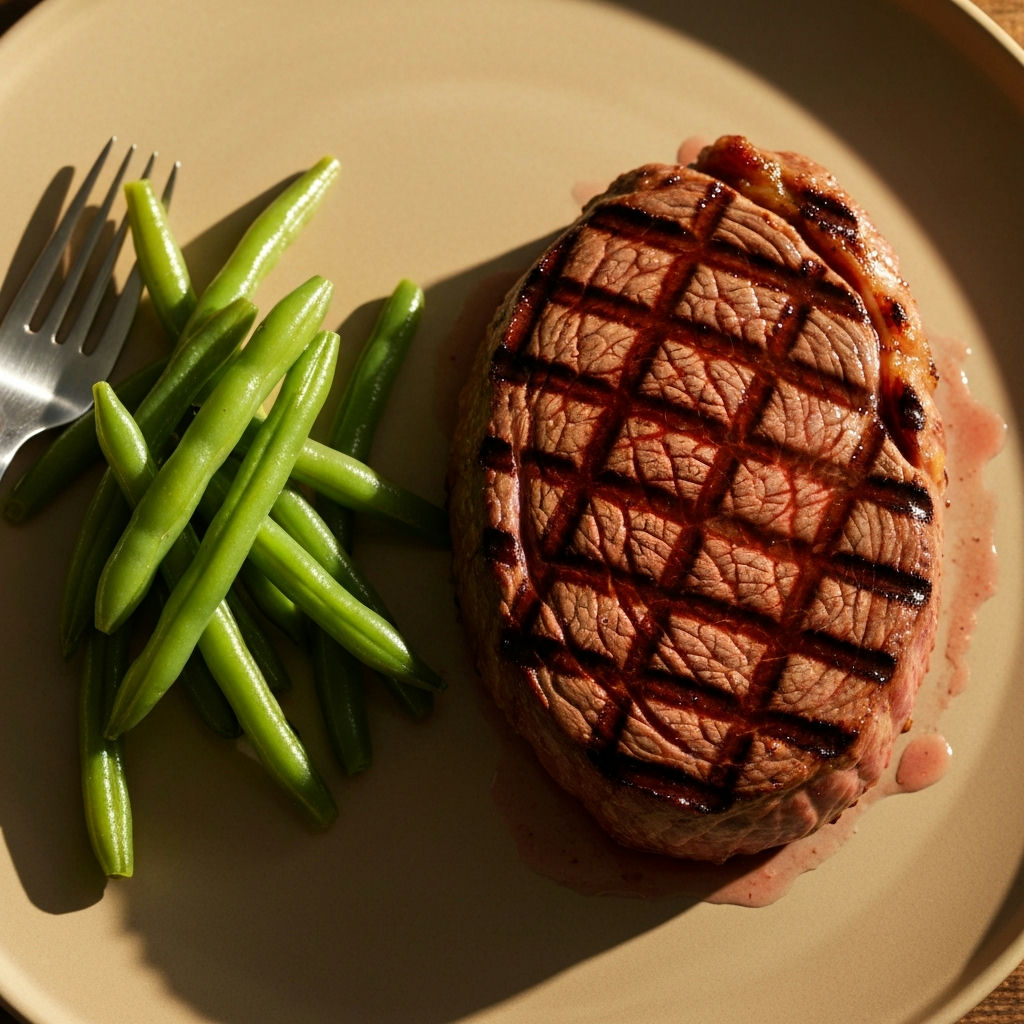
- Sirloin Steak: Often considered a leaner choice, the Sirloin is still a protein powerhouse. A 6 oz. Sirloin steak generally contains about 45-50 grams of protein. This makes it a fantastic option for those looking to maximize protein while managing fat intake. Larger sirloins, such as the 8 oz. or 10 oz. cuts, offer even greater protein benefits.
- Filet Mignon: Known for its tenderness, the Filet Mignon is also a high-protein choice. A 6 oz. Filet Mignon can offer approximately 40-45 grams of protein. While leaner than some other cuts, its protein density remains impressive.
- Porterhouse and T-Bone Steaks: These larger, bone-in cuts offer substantial protein. A Porterhouse, combining a strip and a filet, can easily provide over 70-90 grams of protein depending on its size. Similarly, a T-Bone steak will offer a comparable high protein count.
It’s important to note that these figures are estimates and can vary based on exact portioning and trimming by the restaurant. The cooking method (e.g., grilled vs. pan-seared) generally has a minimal impact on protein content but can affect fat and calorie counts.
Ribs: A Protein-Rich Indulgence
Texas Roadhouse’s Fall-Off-The-Bone Ribs are a popular choice, and they also contribute significantly to protein intake.
- Full Rack of Ribs: A full rack of pork ribs typically contains around 60-80 grams of protein. The protein content comes from the meat itself. However, the BBQ sauce and seasonings used can add considerable sugar and sodium. For those focused purely on protein, this is a viable option, but awareness of the accompanying macronutrients is key.
- Half Rack of Ribs: A half rack will provide roughly 30-40 grams of protein. This offers a more moderate portion for those who want ribs but are mindful of calorie or fat intake.
When ordering ribs, consider asking for sauce on the side to control the amount of sugar and sodium consumed.
Chicken and Other Poultry Options
Chicken breast is a lean and versatile protein source, and Texas Roadhouse offers several preparations.
- Grilled Chicken Critters: While “Critters” are often associated with appetizers, the grilled chicken version can be a decent protein source. A serving of grilled chicken pieces might offer around 25-35 grams of protein. This is a good option for a lighter meal or as an add-on.
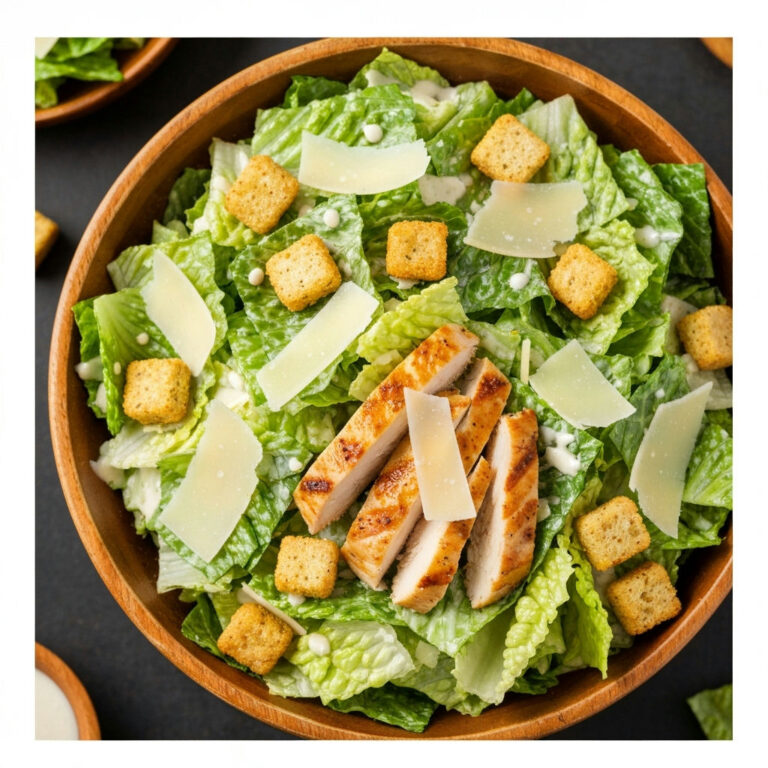
- Grilled Chicken Salad: The protein content here depends heavily on the amount of chicken used. A grilled chicken salad can provide 30-40 grams of protein, especially if it features a generous portion of chicken breast. Be mindful of high-calorie dressings and toppings like croutons and cheese, which can add significant fat and carbohydrates.
- Roasted Half Chicken: This preparation offers a substantial amount of protein. A roasted half chicken can yield approximately 50-60 grams of protein. The skin and cooking juices will contribute to fat and calorie content.
Seafood Selections: Lean Protein Alternatives
For those who prefer fish or seafood, Texas Roadhouse offers a few options that provide good protein with often lower fat content compared to red meat.
- Grilled Salmon: Salmon is an excellent source of protein and omega-3 fatty acids. A 6 oz. portion of grilled salmon typically provides around 35-40 grams of protein. It’s a heart-healthy choice that fits well into many fitness diets.
- Grilled Shrimp: Shrimp is very lean and protein-dense. A serving of grilled shrimp, often served as an appetizer or as an add-on, can offer 20-30 grams of protein.
Sides and Appetizers: Protein Boosters and Pitfalls
While entrees are the primary protein sources, some sides and appetizers can contribute, while others can detract from your protein goals.
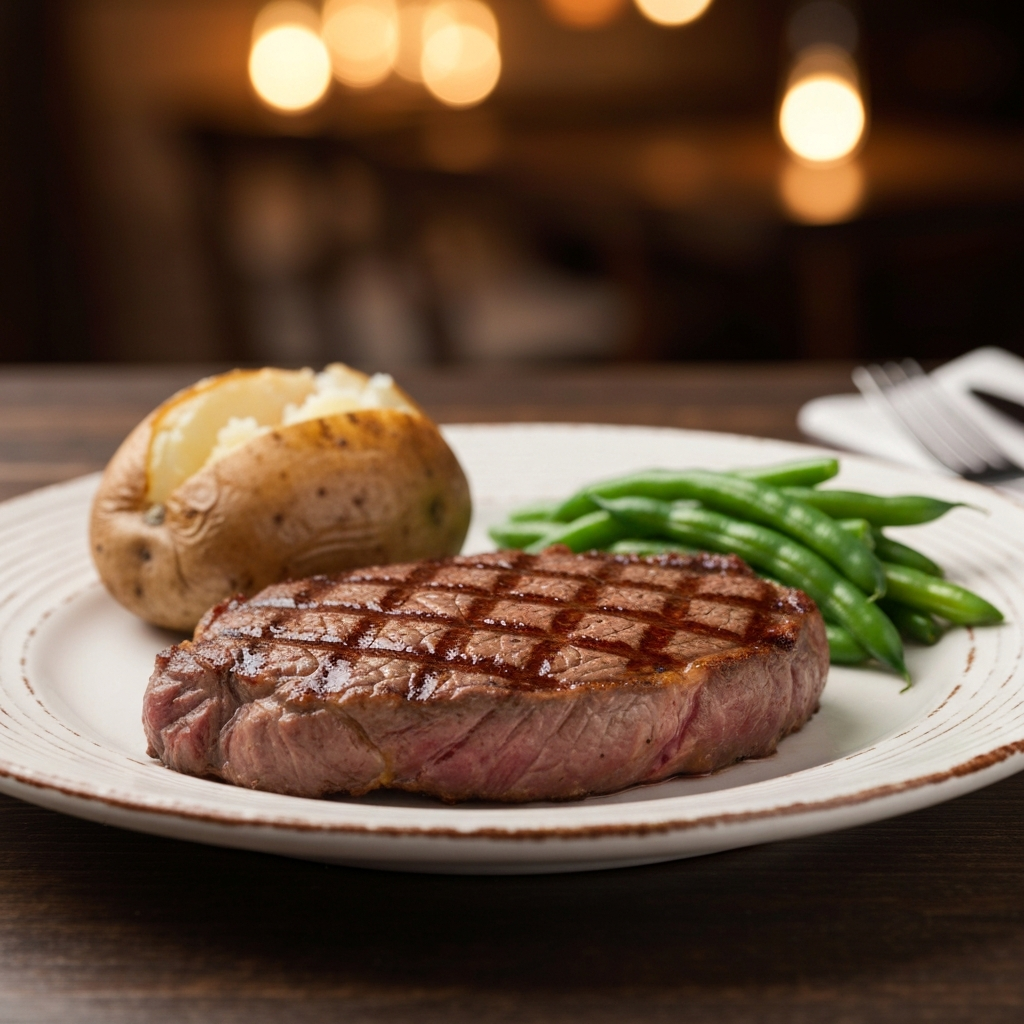
- Loaded Baked Potato: While not a primary protein source, a baked potato with cheese and bacon bits can add a few grams of protein (around 5-10 grams) but also significant fat and sodium.
- Steak Fries: Primarily carbohydrates, steak fries offer minimal protein.
- Green Beans: Low in calories and carbohydrates, green beans offer a small amount of protein, usually 2-3 grams per serving. They are a good low-calorie, high-fiber vegetable choice.
- Side Salad: Similar to the chicken salad, the protein contribution from a side salad is minimal unless chicken or other protein sources are added. Focus on the vegetables for fiber and micronutrients.
- Ranch Dips and Sauces: Many sauces and dips served with appetizers like chicken tenders or wings can add protein but also substantial calories, fat, and sodium.
Strategies for Maximizing Protein Intake at Texas Roadhouse
Making smart choices at Texas Roadhouse involves more than just picking the steak. Preparation, portion size, and side selections all play a role.
Choosing the Right Cut and Size
- Prioritize Leaner Cuts: Opt for Sirloin or New York Strip over heavily marbled Ribeye if managing fat intake is a priority.
- Select Appropriate Portions: A 6 oz. or 8 oz. steak provides a significant protein boost without excessive calories. Larger cuts are suitable if your daily protein targets are very high. Use resources like the Texas Roadhouse nutrition calculator at `https://texasroadhousenutritioncalculator.us/` for precise information.
Smart Preparation and Customization
- Ask for Sauces and Dressings on the Side: This allows you to control the amount used, minimizing added sugars, sodium, and fats.
- Opt for Simple Preparations: Grilled, baked, or roasted items are generally preferable to fried or heavily sauced dishes.
- Hold the Cheese and Bacon: While delicious, these toppings significantly increase fat and sodium content. Requesting them omitted can save calories and fat.
Strategic Side Selections
- Double Up on Protein-Friendly Sides: Consider ordering two vegetable sides like green beans and a side salad instead of starchy options like mashed potatoes or fries.
- Add a Protein Source: If you choose a lighter entree or a salad, consider adding grilled shrimp or chicken to boost the protein content.
Protein Content Breakdown: Popular Texas Roadhouse Items (Estimated 2026 Data)
Here’s a closer look at the estimated protein content of some common Texas Roadhouse menu items. Remember that these are approximations and actual values may vary.
Entrees
- 6 oz. Sirloin Steak: ~45-50 grams protein
- 8 oz. Sirloin Steak: ~60-65 grams protein
- 6 oz. Ribeye Steak: ~36-42 grams protein
- 8 oz. Ribeye Steak: ~48-56 grams protein
- 6 oz. New York Strip: ~40-45 grams protein
- 8 oz. New York Strip: ~53-60 grams protein
- 6 oz. Filet Mignon: ~40-45 grams protein
- Full Rack of Ribs: ~60-80 grams protein
- Half Rack of Ribs: ~30-40 grams protein
- Grilled Salmon (6 oz.): ~35-40 grams protein
- Portions of Grilled Chicken: ~30-40 grams protein (depending on size)
- Roasted Half Chicken: ~50-60 grams protein
Appetizers & Sides (Contributing Protein)
- Ranch Dressed Wings (serving): ~15-20 grams protein (also high in fat/sodium)
- Chicken Critters (serving): ~15-20 grams protein (also high in carbs/fat)
- Caesar Salad with Chicken: ~30-40 grams protein
- Green Beans: ~2-3 grams protein
- Baked Potato (plain): ~4-5 grams protein
- Sweet Potato (plain): ~2 grams protein
Nutritional Considerations Beyond Protein
While focusing on protein is essential for many fitness goals, it’s equally important to consider the overall nutritional picture.
- Fat Content: Fatty cuts of steak, ribs with sauce, and fried appetizers can significantly increase saturated and total fat intake. Choose leaner cuts and preparation methods when possible.
- Sodium: Restaurant meals are often high in sodium. Be mindful of this, especially if you have blood pressure concerns. Opting for grilled items and asking for sauces on the side can help manage sodium intake.
- Carbohydrates: Bread, mashed potatoes, fries, and sugary sauces contribute carbohydrates. If you are managing carbohydrate intake (e.g., for ketogenic diets or blood sugar control), be extra vigilant about these components.
- Fiber: Choosing vegetable-based sides like green beans or a side salad can help increase fiber intake, promoting digestive health and satiety.
The Texas Roadhouse Nutrition Calculator
For the most accurate and personalized nutritional information, Texas Roadhouse provides tools to help customers. The unofficial Texas Roadhouse Nutrition Calculator is a valuable resource that allows you to input specific menu items and portion sizes to estimate calorie, protein, fat, and carbohydrate content. This tool empowers diners to make informed choices aligned with their specific dietary plans. Utilizing such calculators can be particularly helpful for individuals tracking macronutrients for bodybuilding, weight loss, or performance enhancement.
High-Protein Meal Combinations at Texas Roadhouse
Here are a few examples of high-protein meal combinations you could assemble at Texas Roadhouse, keeping fitness goals in mind:
- The Lean Power Meal:
- Entree: 8 oz. Sirloin Steak (approx. 60-65g protein)
- Side 1: Grilled Chicken Critters (add approx. 15-20g protein)
- Side 2: Steamed Green Beans (approx. 2-3g protein)
Total Estimated Protein: ~77-88 grams*
- The Balanced Athlete:
- Entree: 6 oz. Grilled Salmon (approx. 35-40g protein)
- Side 1: Side Salad with Vinaigrette Dressing (minimal protein, focus on veggies)
- Side 2: Baked Sweet Potato (plain) (approx. 2g protein)
Total Estimated Protein: ~37-42 grams* (Consider adding a side of grilled shrimp for an extra protein boost if needed).
- The High-Performance Steak:
- Entree: 10 oz. New York Strip Steak (approx. 65-70g protein)
- Side 1: Side Salad with Grilled Shrimp (add approx. 20-25g protein)
- Side 2: Steamed Green Beans (approx. 2-3g protein)
Total Estimated Protein: ~87-98 grams*
These combinations demonstrate how strategic ordering can significantly increase protein intake while managing other macronutrients. Always refer to the nutrition calculator for precise figures based on your specific order.
Conclusion
Texas Roadhouse offers numerous opportunities for individuals seeking high-protein meals. By focusing on steak, ribs, and chicken entrees, understanding portion sizes, and making smart choices regarding preparation and sides, diners can effectively meet their protein requirements. Utilizing resources like the Texas Roadhouse Nutrition Calculator further empowers informed decision-making. Remember that while protein is a key component of a fitness-focused diet, a balanced approach considering total calories, fats, carbohydrates, and sodium is essential for overall health and achieving specific fitness objectives. Enjoying a hearty meal at Texas Roadhouse while staying on track with your goals is entirely achievable with a little planning.
Frequently Asked Questions (FAQ)
What are the highest protein steaks at Texas Roadhouse?
The highest protein steaks at Texas Roadhouse are generally the larger cuts like the Porterhouse, T-Bone, and larger portions of Sirloin and New York Strip. For example, a 10 oz. Sirloin steak can provide over 60 grams of protein, while a larger T-Bone or Porterhouse could offer upwards of 70-90 grams, depending on the exact size and meat yield. Sirloin often offers a good balance of high protein and leanness compared to heavily marbled cuts like the Ribeye.
Can I get a high-protein meal without red meat?
Yes, you can achieve a high-protein meal at Texas Roadhouse without red meat. The Grilled Salmon entree is an excellent choice, typically providing 35-40 grams of protein per 6 oz. serving. Additionally, ordering a larger portion of grilled chicken or adding grilled shrimp to a salad or side dish can significantly boost protein content. A Roasted Half Chicken also offers a substantial amount of protein, often around 50-60 grams.
How can I reduce fat and calories while maximizing protein?
To reduce fat and calories while maximizing protein, focus on leaner steak cuts like Sirloin or New York Strip, and choose smaller portion sizes (e.g., 6 oz. or 8 oz.). Opt for grilled or roasted preparations over fried items. When ordering sides, choose non-starchy vegetables like steamed green beans or a side salad with dressing on the side, rather than mashed potatoes, fries, or mac and cheese. Avoid cheese and bacon toppings on baked potatoes or other dishes.
Is the protein content in ribs significantly high?
Yes, the ribs at Texas Roadhouse are a significant source of protein. A full rack of their Fall-Off-The-Bone Ribs can provide an estimated 60-80 grams of protein. However, it’s important to be mindful that the BBQ sauce and preparation methods can add considerable amounts of sugar, sodium, and fat to the meal, which might not align with all fitness goals. Ordering sauce on the side can help manage these additional components.
Does Texas Roadhouse offer vegetarian protein options?
Texas Roadhouse’s menu primarily focuses on meat and seafood, offering limited dedicated vegetarian protein options. While sides like green beans, baked potatoes, and salads contain small amounts of protein, they are not sufficient as primary protein sources for a high-protein diet. For vegetarian protein, one would need to rely on the minimal protein found in vegetable sides or consider adding beans or cheese if available and suitable for their dietary plan, though these are not typically highlighted as substantial protein sources on their menu.
How can the Texas Roadhouse Nutrition Calculator help my fitness goals?
The Texas Roadhouse Nutrition Calculator is an invaluable tool for individuals with specific fitness goals. It allows you to input your chosen menu items and portion sizes to get detailed breakdowns of calories, protein, carbohydrates, and fat. This enables precise tracking of macronutrient intake, helping you ensure your meal aligns with your daily targets for muscle gain, fat loss, or performance. By using the calculator, you can make more informed decisions, customize orders effectively, and stay accountable to your dietary plan even when dining out.