
Texas Roadhouse Nutrition Facts Simplified 2026
Texas Roadhouse serves up hearty, flavorful meals that many people love. However, understanding the nutrition facts for these popular dishes can sometimes feel overwhelming. This guide simplifies Texas Roadhouse nutrition, breaking down calorie counts, fat content, and other key nutritional information to help you make informed choices in 2026.
Understanding the Texas Roadhouse Menu
Texas Roadhouse is known for its generous portions and classic American comfort food. Their menu features a wide array of options, from hand-cut steaks and fall-off-the-bone ribs to flavorful chicken dishes and fresh seafood. They also offer a variety of appetizers, sides, and desserts, each contributing to the overall nutritional profile of a meal. Navigating this extensive menu requires a clear understanding of what each item contains.
The Importance of Nutritional Awareness
Making conscious decisions about what you eat is vital for overall health and well-being. Knowing the nutritional content of your meals allows you to manage your intake of calories, fat, sodium, and sugar. This awareness is especially important for individuals managing weight, dealing with dietary restrictions, or simply aiming for a balanced lifestyle. Simplifying Texas Roadhouse nutrition facts empowers diners to enjoy their meals without compromising their health goals.
Texas Roadhouse Appetizers: A Closer Look
Appetizers often set the stage for a meal, but they can also pack a significant nutritional punch. Understanding the impact of these starters is a key step in simplifying Texas Roadhouse nutrition.
Popular Appetizers and Their Nutritional Impact
- Cactus Blossom: This iconic fried onion appetizer is a popular choice. A whole Cactus Blossom can contain upwards of 2,300 calories and over 150 grams of fat. This single appetizer can easily exceed daily recommended intakes for calories and fat.
- Calamari: Fried calamari, while often perceived as lighter, also contributes significantly to calorie and fat intake. A typical serving can range from 600 to 800 calories with substantial amounts of fat.
- Rattlesnake Bites: These fried cheese bites are another indulgent option. A serving often contains over 1,000 calories and a high amount of saturated fat.
- Wings: Texas Roadhouse offers various wing flavors. Depending on the sauce and preparation, a serving of wings can range from 700 to over 1,000 calories.
Strategies for Lighter Appetizer Choices
To simplify your Texas Roadhouse nutrition experience with appetizers, consider these strategies:
- Share Appetizers: Split a single appetizer among multiple people to reduce individual portion sizes.
- Choose Lighter Options: Opt for grilled options if available, or consider a side salad as a starter.
- Mindful Portions: Ask for half portions if possible, or simply eat only a small portion of a shared appetizer.
Texas Roadhouse Main Courses: Steaks, Ribs, and More
The heart of the Texas Roadhouse menu lies in its main courses. These dishes are often the largest contributors to a meal’s overall nutritional value. Simplifying the nutrition of these core items is crucial.
Steak Nutrition Breakdown
Texas Roadhouse offers a variety of steak cuts, each with different nutritional profiles.
- Dallas Filet (6 oz): This popular cut typically contains around 400-500 calories and 20-30 grams of fat. The exact numbers depend on preparation and any added butter or sauces.
- Ribeye (12 oz): A larger, more marbled cut like the Ribeye will naturally be higher in calories and fat. A 12 oz Ribeye can easily reach 800-1000+ calories and 60-80+ grams of fat.
- New York Strip (10 oz): This cut generally offers a good balance. A 10 oz New York Strip might range from 600-700 calories and 40-50 grams of fat.
- Porterhouse (23 oz): As one of the largest steaks, the Porterhouse contains a substantial amount of calories and fat, often exceeding 1200 calories and 100 grams of fat.
It is important to note that these figures are estimates. The marbling within the steak, the cooking method (e.g., adding butter during cooking), and portion size all influence the final nutritional content. Choosing leaner cuts and smaller portions can significantly simplify the nutritional impact.
Ribs and Other Specialties
- Full Rack of St. Louis Ribs: These ribs are slow-cooked and coated in sauce. A full rack is very calorie-dense, often exceeding 1,500 calories and 100 grams of fat, with a high sodium content as well.
- Grilled Chicken: A grilled chicken breast (typically 8 oz) is a leaner protein option, usually around 300-400 calories with 10-20 grams of fat. However, marinades and sauces can add calories and sodium.
- Salmon: Grilled salmon provides healthy fats and protein. An 8 oz serving typically falls between 400-500 calories and 20-30 grams of fat, depending on preparation.
Simplifying Main Course Choices
- Portion Control: Opt for smaller steak sizes (e.g., 6 oz filet instead of a larger cut).
- Leaner Proteins: Prioritize grilled chicken or fish over heavily marbled steaks or ribs.
- Sauce Awareness: Ask for sauces and dressings on the side to control the amount used.
- Avoid Double Meats: Steaks paired with ribs or other rich meats will significantly increase calorie and fat intake.
Texas Roadhouse Sides: The Unsung Nutritional Contributors
Sides at Texas Roadhouse can dramatically alter the nutritional balance of your meal. Many popular choices are high in calories, fat, and sodium. Simplifying the understanding of side dish nutrition is key.
High-Calorie Side Dishes
- Mashed Potatoes with Gravy: A large serving of mashed potatoes loaded with butter, cream, and gravy can easily contain 400-600 calories and 20-30 grams of fat.
- Sweet Potato with Toppings: While sweet potatoes themselves are nutritious, adding butter, cinnamon sugar, and marshmallows can push the calorie count to 500-700+, with significant sugar and fat.
- Macaroni & Cheese: This creamy, cheesy side is a comfort food favorite but is calorie-dense, often ranging from 400-600 calories per serving.
- Green Beans: While generally healthy, Texas Roadhouse’s version often includes bacon and seasonings, increasing the fat and sodium content. A serving can be around 200-300 calories.
- Corn: Creamed corn is a richer option, typically containing 250-350 calories per serving due to added dairy and sugar.
Healthier Side Options
To make smarter side choices and simplify your Texas Roadhouse nutrition strategy:
- Steamed Vegetables: Opt for steamed vegetables like broccoli or green beans (requesting minimal butter or seasoning). These are typically much lower in calories and provide essential nutrients. A plain steamed vegetable side might be under 100 calories.
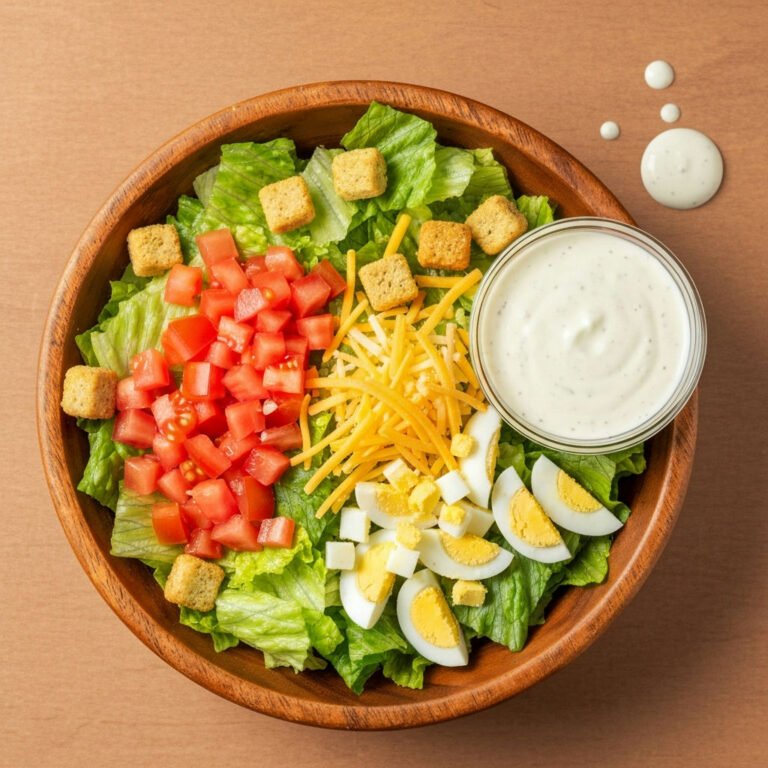
- Side Salad: A side salad with a light vinaigrette is a refreshing and low-calorie option, offering fiber and vitamins. Be mindful of high-calorie toppings like cheese and croutons, and ask for dressing on the side.
- Baked Potato (Plain): A plain baked potato is a good source of carbohydrates and fiber. You can add a small amount of butter or sour cream, but avoid excessive toppings.
Texas Roadhouse Drinks and Desserts: Sweet Endings
Drinks and desserts are often overlooked when considering overall nutrition, but they can add significant calories, sugar, and fat to your meal.
Beverage Choices
- Sweetened Teas and Sodas: Regular sodas and sweetened iced teas can add 150-250 calories and 50+ grams of sugar per serving.
- Milkshakes and Smoothies: These are dessert in a glass, often containing 500-800+ calories and high amounts of sugar and fat.
- Alcoholic Beverages: Beer, wine, and cocktails contribute calories and can impact decision-making around food choices.
For a simpler nutritional approach, choose water, unsweetened iced tea, or diet soda.
Dessert Nutrition
Texas Roadhouse desserts are indulgent and typically high in calories, sugar, and fat.
- Big Ol’ Brownie: This shareable dessert is a calorie bomb, often exceeding 1,200 calories for the whole dessert, with substantial fat and sugar.
- Cheesecake: A slice of cheesecake can range from 600 to over 1,000 calories depending on the type and toppings.
If you crave something sweet, consider sharing a dessert or opting for a lighter choice like fresh fruit if available (though not a standard menu item).
Making Healthier Choices at Texas Roadhouse
Simplifying Texas Roadhouse nutrition involves strategic ordering. Here are actionable tips for dining healthily.
Key Strategies for Healthier Dining
- Plan Ahead: Review the menu online before you go. Many restaurants, including Texas Roadhouse, provide nutritional information on their websites. This allows you to make decisions before temptation strikes. You can often find detailed information at texasroadhousenutritioncalculator.us.
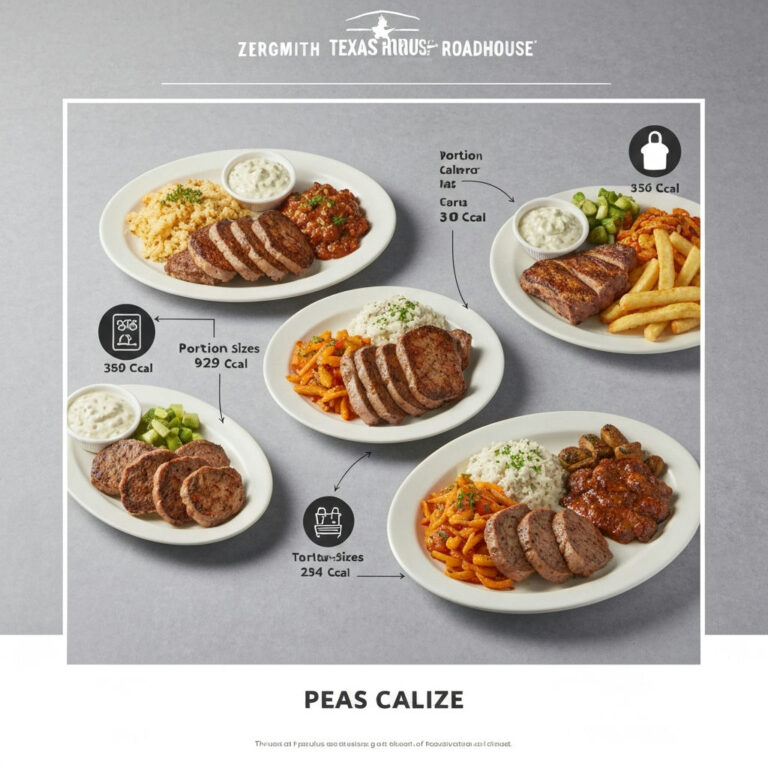
- Control Portions: Be mindful of the large serving sizes. Ask for a to-go box at the beginning of your meal and pack up half before you start eating.
- Prioritize Lean Proteins: Choose grilled chicken, fish, or smaller, leaner cuts of steak.
- Opt for Lighter Sides: Select steamed vegetables, a side salad with light dressing, or a plain baked potato over fried options or creamy sides.
- Minimize Sauces and Dressings: Ask for them on the side so you can control how much you use.
- Hydrate Wisely: Choose water, unsweetened tea, or diet drinks instead of sugary beverages.
- Be Mindful of Appetizers and Desserts: If you indulge, consider sharing or choosing smaller portions. Sometimes, skipping these courses altogether is the best strategy for simplified nutrition.
- Customize Your Order: Don’t hesitate to ask your server for modifications, such as grilled instead of fried, or vegetables prepared without butter.
Texas Roadhouse Nutrition: A Practical Guide
Understanding the nutritional landscape of Texas Roadhouse empowers you to dine out more healthily. By focusing on lean proteins, lighter sides, and mindful portions, you can enjoy the restaurant’s atmosphere and food while staying aligned with your wellness goals.
Example of a Healthier Meal Combination
- Appetizer: Side Salad with Vinaigrette (dressing on the side).
- Main Course: 8 oz Grilled Chicken Critters (request no seasoning if possible) OR a 6 oz Dallas Filet.
- Side: Steamed Vegetables (request minimal butter).
- Drink: Water or Unsweetened Iced Tea.
This combination significantly reduces calories, saturated fat, and sodium compared to a typical meal featuring fried appetizers, larger steaks, or creamy sides.
Frequently Asked Questions about Texas Roadhouse Nutrition
What is the least healthy item on the Texas Roadhouse menu?
While “least healthy” can be subjective and depend on individual dietary needs, the Cactus Blossom appetizer is often cited as one of the most calorically dense and high-fat items. A single serving can contain over 2,300 calories and more than 150 grams of fat, far exceeding daily recommendations for many individuals. Other high-calorie contenders include the full rack of St. Louis Ribs and large, marbled steaks with added toppings.
How can I eat healthy at Texas Roadhouse if I want steak?
If you desire steak, opt for leaner cuts like the Dallas Filet (6 oz) or a smaller portion of the New York Strip. Ask for your steak to be prepared without added butter or seasoned salts. Pair your steak with healthier sides such as steamed vegetables or a side salad with dressing on the side. Avoid high-fat sauces and heavy, creamy side dishes like mashed potatoes with gravy or macaroni and cheese.
Are Texas Roadhouse’s peanut bowls healthy?
The complimentary peanuts at Texas Roadhouse are a source of healthy fats and protein. However, they are also high in calories and sodium. A typical serving of peanuts can contain around 150-200 calories and 300-400mg of sodium. While they can be part of a balanced diet in moderation, consuming multiple bowls can significantly increase your calorie and sodium intake for the meal. It is important to be mindful of how many peanuts you consume.
What are the healthiest side options at Texas Roadhouse?
The healthiest side options at Texas Roadhouse generally include:
- Side Salad: Request vinaigrette dressing on the side.
- Steamed Vegetables: Such as broccoli or green beans, ideally prepared with minimal butter or seasoning.
- Baked Potato: Eaten plain or with a small amount of light topping like a dollop of sour cream or a small pat of butter.
These choices are typically lower in calories, fat, and sodium compared to fried sides or cream-based dishes.
Does Texas Roadhouse offer low-calorie options?
Yes, Texas Roadhouse offers options that are lower in calories, although they may not always be explicitly labeled as “low-calorie.” Focusing on grilled chicken breasts, fish entrees (like grilled salmon), leaner steak cuts in smaller portions, and pairing them with steamed vegetables or side salads allows for a lower-calorie meal. Remember to be cautious with sauces, dressings, and high-calorie side dishes.
How can I track Texas Roadhouse nutrition information?
Texas Roadhouse provides nutritional information on its official website. Many customers also utilize third-party nutrition tracking apps and websites that compile data for restaurant menus. A helpful resource is texasroadhousenutritioncalculator.us, which aims to provide simplified nutritional breakdowns for menu items. Checking these resources before or during your visit can help you make informed decisions.
Conclusion
Texas Roadhouse offers a dining experience centered around flavor and abundance. Simplifying Texas Roadhouse nutrition doesn’t mean sacrificing enjoyment; it means making informed choices. By understanding the nutritional content of appetizers, main courses, sides, drinks, and desserts, diners can navigate the menu more effectively. Prioritizing lean proteins, lighter sides, portion control, and mindful beverage choices are key strategies. With a little planning and awareness, you can savor the taste of Texas Roadhouse while supporting your health and wellness goals throughout 2026 and beyond. Remember that making small, consistent changes can lead to significant long-term benefits for your overall health.