
Texas Roadhouse Nutrition Guide 2026: Make Healthier Choices
Did you know that a single serving of Texas Roadhouse’s Legendary™ Buttered Texas Toast can contain over 200 calories and 12 grams of fat? Understanding the nutritional breakdown of your favorite meals is the first step toward making informed dining decisions. This comprehensive Texas Roadhouse nutrition guide for 2026 empowers you to navigate the menu, balance your intake, and enjoy your dining experience without compromising your health goals.
Texas Roadhouse is renowned for its generous portions, hand-cut steaks, and vibrant, country-themed atmosphere. While the hearty, flavorful dishes are a major draw, they often come with a significant calorie, fat, and sodium count. This guide breaks down the nutritional information for popular Texas Roadhouse menu items, from appetizers and entrees to sides and desserts, helping you choose options that align with your dietary needs, whether you’re tracking calories, managing sodium, or focusing on macronutrients.
We will delve into the specifics of various dishes, explore strategies for healthier ordering, and provide actionable tips for enjoying Texas Roadhouse while staying mindful of your well-being. For those seeking a more personalized approach, tools like the Texas Roadhouse Nutrition Calculator can offer even deeper insights into specific meal combinations.
Understanding Your Texas Roadhouse Nutrition Needs
Before diving into specific menu items, it’s crucial to understand general nutritional recommendations. The Dietary Guidelines for Americans 2025-2030 suggest adults consume between 1,600 and 3,200 calories per day, depending on age, sex, and physical activity level. A typical restaurant meal can easily account for a third to half of a day’s recommended intake.
Key nutritional considerations at a restaurant like Texas Roadhouse often include:
- Calories: The total energy your body gets from food. High-calorie meals can contribute to weight gain if not balanced with physical activity.
- Fat: Especially saturated and trans fats, which can impact heart health.
- Sodium: Excessive sodium intake is linked to high blood pressure. Restaurant foods are notoriously high in sodium.
- Sugar: Added sugars contribute empty calories and can negatively affect blood sugar levels.
- Protein: Essential for muscle building and satiety.
- Fiber: Important for digestive health and feeling full.
By understanding these components, you can better evaluate the Texas Roadhouse menu.
Texas Roadhouse Appetizers: Starting Smart
Appetizers at Texas Roadhouse are often designed for sharing, but their nutritional impact can be substantial. Portion control and smart selection are key.
Appetizer Nutrition Breakdown
- Calamari: A typical serving can range from 600-800 calories, with significant amounts of fat and sodium due to the breading and frying process.
- Fried Pickles: While seemingly lighter, a serving often exceeds 500 calories and contains high levels of sodium and fat.
- Killer Ribs (Appetizer Portion): Even the appetizer portion of these popular ribs can pack around 700-900 calories, laden with sugar and fat from the BBQ sauce and preparation.
- Rattlesnake Bites: These cheese-filled bites, usually deep-fried, can contribute around 500-700 calories per serving, with a high fat and sodium content.
- Cheese Fries: A large portion of cheese fries can easily surpass 1000 calories, loaded with saturated fat and sodium.
Healthier Appetizer Strategies
- Share Wisely: Split appetizers among a group to reduce your individual portion.
- Choose Lighter Options: Consider options like a side salad (dressing on the side) or a smaller portion of grilled chicken tenders if available.
- Skip the Fried: Opt for grilled or baked appetizers when possible, though these are less common on the Texas Roadhouse appetizer menu.
- Limit Breaded Items: The breading and frying process significantly increases calorie and fat content.
Texas Roadhouse Entrees: Steak, Chicken, and Seafood Choices
The heart of the Texas Roadhouse menu lies in its entrees, particularly the steaks. Understanding the nutritional differences between cuts and preparation methods is vital.
Steak Selections and Nutrition
Texas Roadhouse offers various steak cuts, each with a different nutritional profile. Generally, leaner cuts will have fewer calories and less fat.
- Filet Mignon: Typically one of the leaner cuts, a 6 oz filet might range from 350-450 calories and 15-25 grams of fat. However, preparation and added sauces can increase these numbers.
- Sirloin: A good balance of flavor and leanness. An 8 oz sirloin could be around 400-550 calories and 20-30 grams of fat.
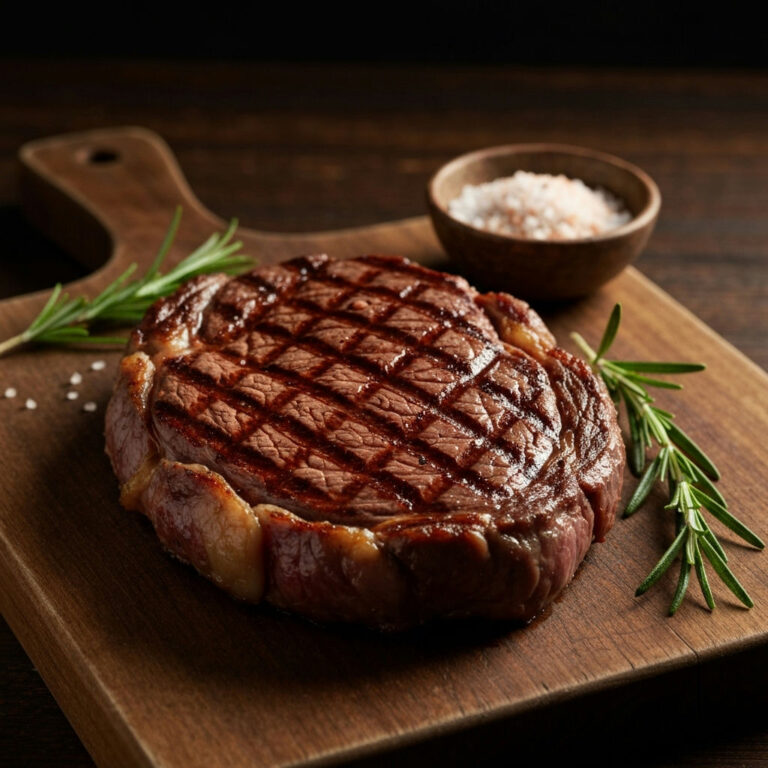
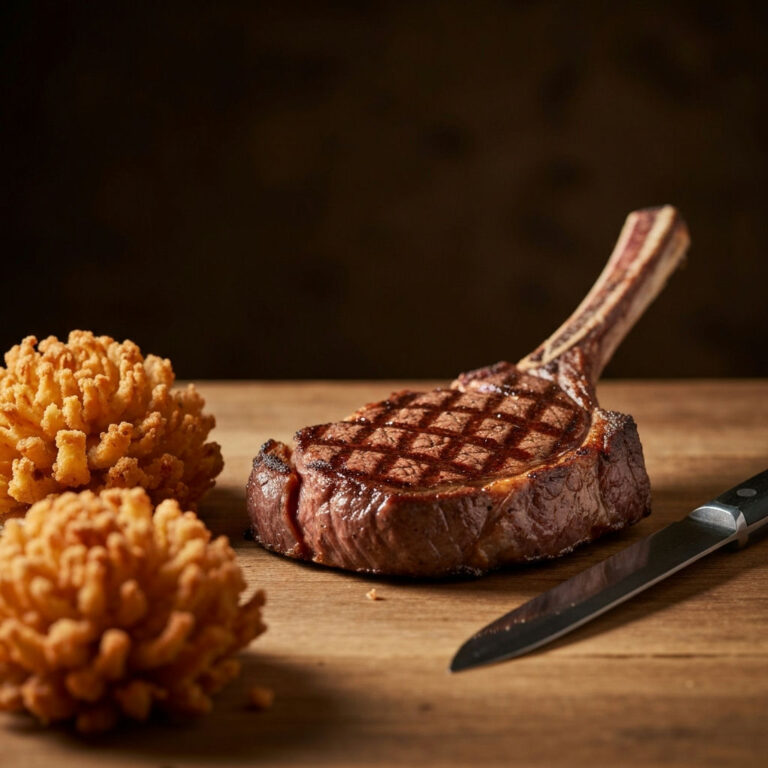
- Ribeye: Known for its marbling and rich flavor, the ribeye is higher in fat and calories. An 8 oz ribeye can easily exceed 600-800 calories and 40-50 grams of fat.
- New York Strip: Similar to sirloin, an 8 oz strip might fall in the 450-600 calorie range with 25-35 grams of fat.
Important Note on Steak Preparation: The way your steak is cooked and any added butter or sauces dramatically impacts its nutritional value. Requesting no added butter or a light seasoning can help reduce calories and fat.
Other Entree Options
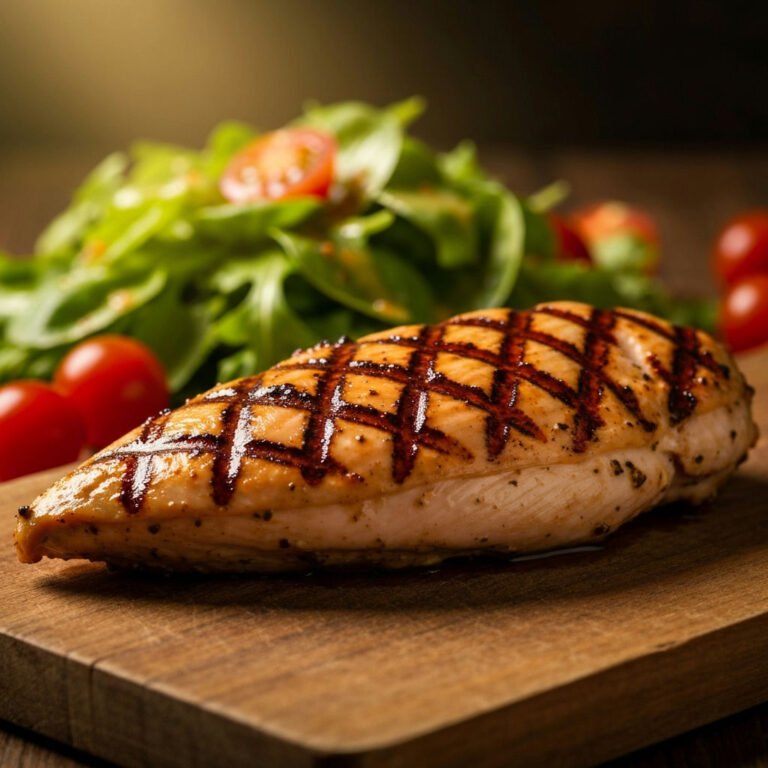
- Grilled Chicken: A grilled chicken breast (around 8 oz) is a leaner protein choice, typically around 300-400 calories and 10-15 grams of fat, depending on marinade and preparation.
- Salmon: Grilled salmon is a good source of omega-3 fatty acids. A 6 oz portion might be around 350-450 calories and 20-30 grams of fat.
- Shrimp: Grilled or seasoned shrimp can be a lower-calorie, high-protein option. A serving might range from 150-250 calories.
Healthier Entree Strategies
- Choose Leaner Cuts: Opt for filet mignon or sirloin over ribeye or prime rib.
- Portion Control: Consider ordering a smaller steak or a lunch portion if available.
- Ask for Modifications: Request grilled items be prepared with minimal oil or butter. Ask for sauces and dressings on the side.
- Focus on Grilled Proteins: Grilled chicken, fish, and shrimp are generally healthier choices than breaded or fried options.
Texas Roadhouse Sides: The Hidden Calorie Culprits
Sides at Texas Roadhouse are notoriously decadent and often contribute a significant portion of the meal’s total calories and fat.
Popular Side Dish Nutrition
- Mashed Potatoes with Gravy: A standard serving can contain 300-500 calories, with high levels of fat and sodium, especially from the gravy and butter.
- Sweet Potato with Toppings: While the sweet potato itself is nutritious, toppings like butter, cinnamon sugar, and marshmallows can push the calorie count to 400-600 calories or more.
- Green Beans: Often prepared with bacon and seasonings, a side of green beans can surprisingly reach 200-300 calories and contain a notable amount of sodium.
- Corn: Creamed corn is high in calories and fat due to the cream and butter. A side can be 250-400 calories. Regular corn is a lighter option.
- Steak Fries: Deep-fried and salted, a side of steak fries can easily be 400-600 calories and very high in sodium.
- Side Salad: A basic side salad with vinaigrette can be a good choice, around 150-250 calories. However, creamy dressings and cheese can significantly increase this.
Making Smarter Side Choices
- Opt for Steamed or Grilled Vegetables: If available, these are the best choices.
- Choose Plain Baked Potato or Sweet Potato: Ask for butter and toppings on the side, or skip them altogether.
- Select a Side Salad: Use a light vinaigrette dressing and ask for it on the side.
- Be Mindful of Creamed/Fried Sides: These are typically the highest in calories, fat, and sodium. Consider sharing these or opting for a single serving.
- Consider Fruit: If a fruit cup or similar light option is available, it’s a great way to add vitamins and fiber with fewer calories.
Texas Roadhouse Bread and Rolls: A Tempting Trap
The warm, buttery rolls are a signature of Texas Roadhouse, but they are calorie-dense. One roll can contain approximately 150-200 calories and 8-10 grams of fat. Enjoying several rolls before your meal can add hundreds of extra calories.
Strategies for Managing Rolls
- Limit Yourself: Decide beforehand how many rolls you will eat (perhaps just one).
- Ask for Them Later: Request that the rolls not be brought to the table until you are ready for them, or ask for them to be removed once you’ve had your intended amount.
- Share: Distribute the rolls among your dining companions.
Texas Roadhouse Drinks and Desserts: Sweet Endings and Extras
Beverages and desserts can add significant calories and sugar to your meal.
Drink Nutrition
- Sweetened Teas and Sodas: A regular soda or sweetened iced tea can contain 150-200 calories and 40-50 grams of sugar per serving.
- Milkshakes and Smoothies: These are dessert in a glass, often containing 500-1000 calories and high amounts of sugar and fat.
- Alcoholic Beverages: Beer, wine, and cocktails contribute calories and can lower inhibitions, potentially leading to less healthy food choices.
Dessert Nutrition
Texas Roadhouse desserts are indulgent and high in calories, fat, and sugar.
- Big Ol’ Brownie: This shareable dessert can easily contain 800-1200 calories per serving, with substantial fat and sugar content.
- Cheesecake: Similar to the brownie, a slice of cheesecake can range from 700-1000 calories.
- Apple Pie: A slice of apple pie, especially with ice cream, can be around 500-700 calories.
Healthier Beverage and Dessert Choices
- Water: The best choice for hydration and zero calories.
- Unsweetened Iced Tea or Coffee: Opt for these without added sugar or cream.
- Diet Sodas: While controversial for some, they offer a zero-calorie alternative to regular sodas.
- Share Desserts: If you crave something sweet, split a dessert among your group.
- Opt for Lighter Desserts: A simple fruit option, if available, would be the healthiest choice.
Texas Roadhouse Nutrition Guide: Tips for Healthier Ordering
Making healthier choices at Texas Roadhouse involves a combination of understanding the menu, communicating your needs, and practicing portion control.
Proactive Ordering Strategies
- Review the Menu Online: Many restaurants, including Texas Roadhouse, provide nutritional information on their websites. Reviewing this beforehand allows you to plan your meal. The Texas Roadhouse Nutrition Calculator is an excellent resource for this.
- Prioritize Lean Proteins: Focus on grilled chicken, fish, or leaner steak cuts.
- Be Skeptical of Sauces and Dressings: Always ask for them on the side. Creamy sauces and dressings add significant calories and fat.
- Choose Vegetable-Based Sides: Opt for steamed or grilled vegetables, a side salad with light vinaigrette, or a plain baked potato.
- Control Portion Sizes: If you know you tend to overeat, consider ordering a smaller entree, a lunch portion, or planning to take half of your meal home.
- Hydrate with Water: Avoid sugary drinks and limit alcohol intake.
- Be Mindful of Appetizers and Bread: These can be calorie bombs. Limit your intake or skip them altogether.
- Communicate with Your Server: Don’t hesitate to ask for modifications. Servers are usually happy to accommodate requests like “no butter,” “grilled, not fried,” or “sauce on the side.”
Example Healthier Meal Combination
- Appetizer: Skip or share a small portion of grilled chicken tenders (if available) with sauce on the side.
- Entree: 8 oz Grilled Sirloin or 6 oz Filet Mignon, prepared with minimal seasoning and no added butter.
- Side: Steamed vegetables (like broccoli or green beans, prepared plain) or a side salad with vinaigrette on the side.
- Drink: Water or unsweetened iced tea.
This combination focuses on lean protein and vegetables, significantly reducing the calorie, fat, and sodium content compared to a typical Texas Roadhouse meal.
Understanding Macronutrients at Texas Roadhouse
Beyond just calories, understanding macronutrients (protein, carbohydrates, and fats) can help you build a balanced meal.
- Protein: Crucial for satiety and muscle repair. Lean meats, chicken, and fish are good sources. Aim to include a protein source in your entree.
- Carbohydrates: Provide energy. Whole grains and vegetables offer fiber and nutrients. Opt for whole grains when possible, and choose vegetable sides over refined options like mashed potatoes or fries. Be aware of added sugars in sauces and desserts.
- Fats: Essential, but choose healthier sources. Unsaturated fats found in fish are beneficial. Limit saturated and trans fats common in fried foods, fatty meats, and creamy sauces.
Navigating Special Dietary Needs
While Texas Roadhouse is known for its hearty fare, individuals with specific dietary needs can still find ways to enjoy a meal.
Gluten-Free Options
Texas Roadhouse offers some gluten-free options, but cross-contamination is a risk in any restaurant kitchen. It’s advisable to:
- Inform Your Server: Clearly state your dietary needs.
- Choose Unseasoned Proteins: Plain grilled steaks, chicken, or seafood are often safer bets.
- Select GF Sides: Baked potatoes, sweet potatoes (plain), and side salads (with GF dressing) are typically suitable.
- Avoid Breading and Sauces: These often contain gluten.
Low-Sodium Strategies
Restaurant meals are notoriously high in sodium. To reduce sodium intake:
- Request No Added Salt: Ask for your food to be prepared with minimal or no added salt.
- Avoid Processed Meats and Sauces: Bacon, heavily seasoned dishes, and BBQ sauces are high in sodium.
- Choose Plain Sides: Baked potatoes, plain corn, or steamed vegetables are better choices.
- Limit Bread and Rolls: These can contain significant amounts of sodium.
Conclusion: Enjoying Texas Roadhouse Mindfully
Dining at Texas Roadhouse doesn’t have to derail your health goals. By leveraging this Texas Roadhouse nutrition guide for 2026, you can make informed choices that align with your dietary needs and preferences. Understanding the calorie, fat, and sodium content of various menu items empowers you to select healthier options, request modifications, and practice portion control.
Remember that moderation is key. Enjoying your favorite indulgent meal occasionally is perfectly fine, especially when balanced with healthier choices throughout the rest of your day and regular physical activity. Utilize resources like the Texas Roadhouse Nutrition Calculator to further personalize your meal planning. With a little knowledge and strategic ordering, you can savor the flavors of Texas Roadhouse while maintaining your commitment to a healthy lifestyle.
Frequently Asked Questions (FAQs)
What is the healthiest entree at Texas Roadhouse?
The healthiest entrees at Texas Roadhouse generally include lean protein options prepared with minimal added fats or sauces. Good choices include a plain 8 oz Grilled Sirloin, a 6 oz Filet Mignon with no added butter, or a Grilled Chicken Breast. Always request that your meal be prepared with minimal seasoning and oil, and ask for any sauces or dressings on the side.
How many calories are in Texas Roadhouse rolls?
Each warm, buttery roll at Texas Roadhouse typically contains between 150 and 200 calories. They also contribute around 8-10 grams of fat per roll. Consuming several rolls before your meal can add a substantial number of calories and fat to your overall intake.
Can I get vegetables cooked without butter at Texas Roadhouse?
Yes, you can usually request that your vegetable sides be cooked without butter. Options like steamed broccoli or green beans can be prepared plain upon request. It is always best to clearly communicate your preference to your server when ordering.
What are the highest calorie items on the Texas Roadhouse menu?
The highest calorie items typically include fried appetizers like Fried Pickles and Calamari, rich entrees like the Ribeye or Prime Rib with added sauces, and decadent sides such as Creamed Corn and Mashed Potatoes with Gravy. Desserts like the Big Ol’ Brownie and Cheesecake are also extremely high in calories.
How can I reduce the sodium in my Texas Roadhouse meal?
To reduce sodium, request that your food be prepared with no added salt. Avoid heavily seasoned dishes, bacon, and BBQ sauces. Opt for plain baked potatoes or sweet potatoes, steamed vegetables, and salads with dressing on the side. Limiting the number of bread rolls consumed also helps lower sodium intake.
Is the sweet potato at Texas Roadhouse healthy?
A plain baked sweet potato can be a relatively healthy choice, offering fiber and vitamins. However, the nutritional value changes dramatically with toppings. Adding butter, cinnamon sugar, marshmallows, or caramel sauce can significantly increase the calorie, fat, and sugar content, turning it into a dessert-like item. It’s best to request toppings on the side or opt for minimal additions.