Texas Roadhouse vs LongHorn Nutrition 2026
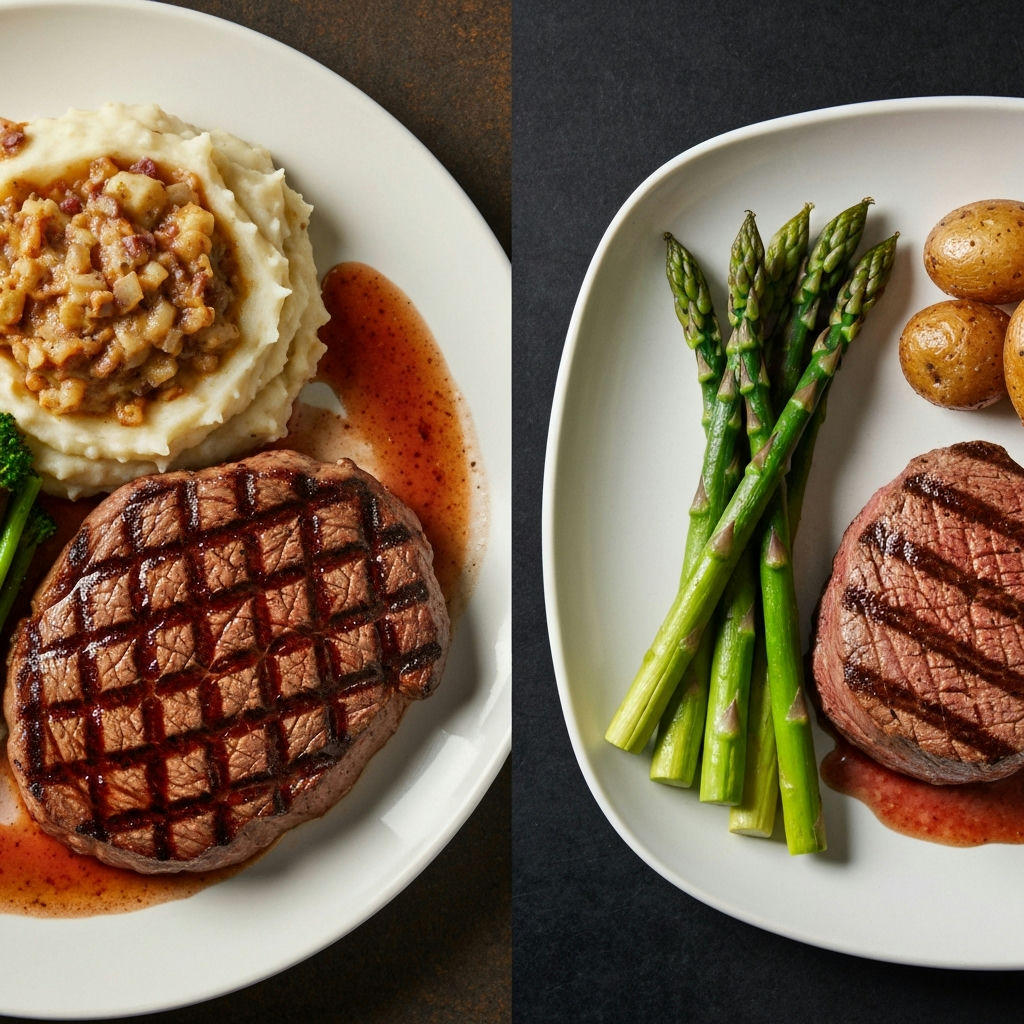
When steakhouse cravings hit, two popular choices often come to mind: Texas Roadhouse and LongHorn Steakhouse. Both promise a hearty, flavorful dining experience with a focus on grilled meats and classic American sides. But how do these beloved chains stack up when it comes to nutrition? For diners looking to make more informed choices, understanding the nutritional profiles of their meals is key. This comparison delves into the calorie counts, fat content, sodium levels, and overall nutritional impact of popular dishes at Texas Roadhouse and LongHorn Steakhouse, helping you navigate their menus with greater awareness in 2026.
Understanding Steakhouse Nutrition: Key Considerations
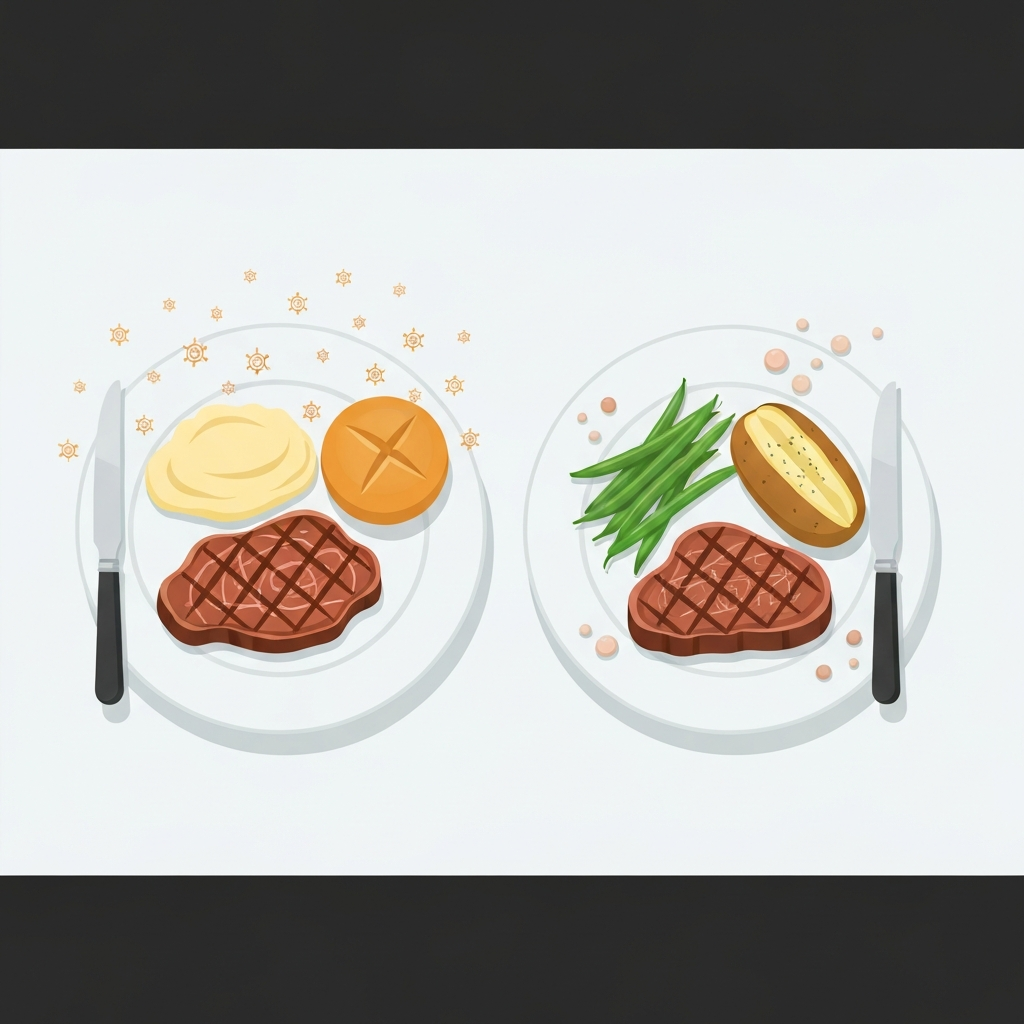
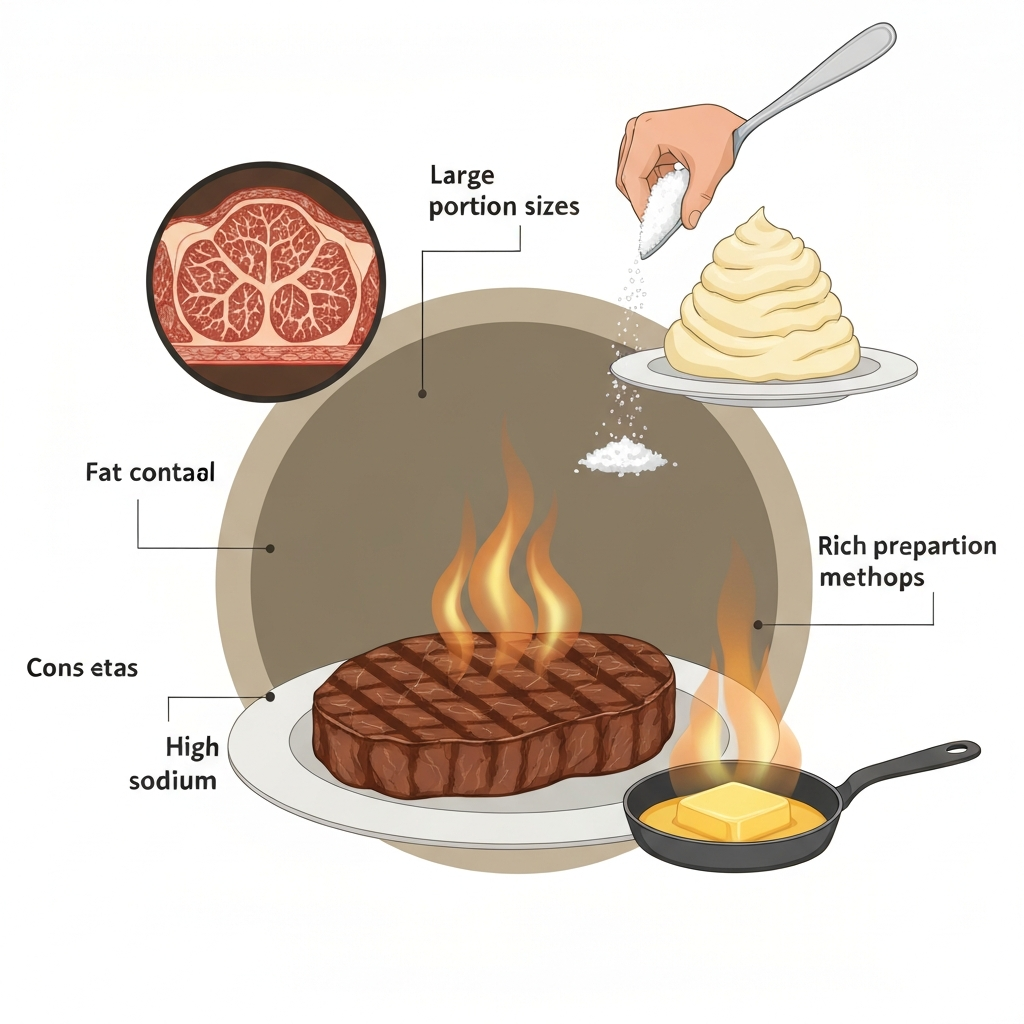
Before diving into the specifics of each restaurant, it’s crucial to understand what makes steakhouse meals potentially high in calories, fat, and sodium. Steakhouses, by nature, feature rich ingredients and generous portion sizes.
- Portion Sizes: Entrees, appetizers, and sides are often served in large quantities, contributing to higher overall calorie intake. A standard steak portion can easily exceed recommended serving sizes.
- Fat Content: Steaks, especially prime cuts, are naturally high in fat. Preparation methods like marbling (intramuscular fat) and cooking techniques (e.g., butter basting) further increase fat content. Sauces and dressings can also be significant sources of fat.
- Sodium: Seasonings, marinades, sauces, and processed side dishes are common culprits for high sodium levels. Excessive sodium intake can lead to elevated blood pressure and other health issues.
- Carbohydrates and Sugar: While protein is a focus, many steakhouse meals include refined carbohydrates (like white bread, mashed potatoes) and sugary sauces or desserts, which can significantly impact the glycemic load and overall caloric density of a meal.
- Preparation Methods: Grilling is generally a healthier cooking method than frying. However, the addition of butter, oils, and heavy sauces can negate some of these benefits.
Recognizing these factors provides a framework for evaluating the menu offerings at both Texas Roadhouse and LongHorn Steakhouse.
Texas Roadhouse: A Closer Nutritional Look
Texas Roadhouse is known for its lively atmosphere, hand-cut steaks, and generous portions, often accompanied by complimentary baskets of cinnamon buttered rolls. This casual dining experience emphasizes Southern hospitality and hearty, flavorful food.
Appetizers at Texas Roadhouse: Starting the Meal
Appetizers set the stage for the main course, and at Texas Roadhouse, they can significantly contribute to the meal’s overall nutritional profile.
Calamari
A popular starter, the Texas Roadhouse Calamari is typically fried, making it a high-calorie and high-fat option. A serving can contain upwards of 900-1000 calories, with a substantial amount of fat, often exceeding 60 grams, and significant sodium. The dipping sauce, usually a marinara or a creamy remoulade, adds further calories and fat.
Killer Ribs
These fall-off-the-bone ribs are a fan favorite. A half-rack of Killer Ribs can approach 1000 calories, largely due to the rich, sweet, and savory sauce and the inherent fat in pork ribs. The fat content can be very high, often over 70 grams, and the sticky sauce contributes considerable sugar and sodium.
Loaded Jacked Potato Skins
A classic comfort food, these potato skins are typically loaded with cheese, bacon, and sour cream. A serving of loaded potato skins can easily reach 500-700 calories, with over 30-40 grams of fat. The sodium content is also considerable, often exceeding 1000 mg per serving, due to the cheese, bacon, and seasonings.
Fried Pickles
Another fried appetizer, the Fried Pickles offer a tangy crunch. While seemingly lighter, a serving is still often fried in oil, contributing to calorie and fat counts that can reach 400-500 calories and 20-30 grams of fat, alongside notable sodium.
Rattlesnake Bites
These deep-fried balls of jalapeños and jack cheese are a decadent choice. A serving can contain over 600 calories and around 40 grams of fat, with high levels of sodium and saturated fat from the cheese and frying process.
Main Courses: The Steak Experience
The heart of the Texas Roadhouse menu lies in its steaks. While the quality and flavor are undeniable, the nutritional impact varies significantly based on the cut and preparation.
Ribeye Steak
A well-marbled cut, the Ribeye is known for its rich flavor and tenderness. A 12-ounce Ribeye, typically grilled, can contain upwards of 900-1100 calories. The fat content is substantial, often ranging from 70-90 grams, with a significant portion being saturated fat. Sodium can also be high depending on the seasoning used.
New York Strip Steak
This cut offers a good balance of tenderness and beefy flavor. A 10-ounce New York Strip steak can range from 600-800 calories, with fat content typically between 40-60 grams. It’s generally leaner than a Ribeye but still a calorie-dense choice.
Sirloin Steak
Often promoted as a leaner option, the Sirloin is a popular choice for health-conscious diners. An 8-ounce Sirloin steak typically falls between 400-600 calories, with fat content around 20-35 grams. This makes it one of the more moderate steak options nutritionally.
Filet Mignon
The most tender cut, Filet Mignon is also the leanest. A 6-ounce Filet Mignon usually contains around 300-450 calories and 15-25 grams of fat. Its lower fat content makes it a preferable choice for those monitoring their intake, though portion size remains a factor.
Grilled Chicken
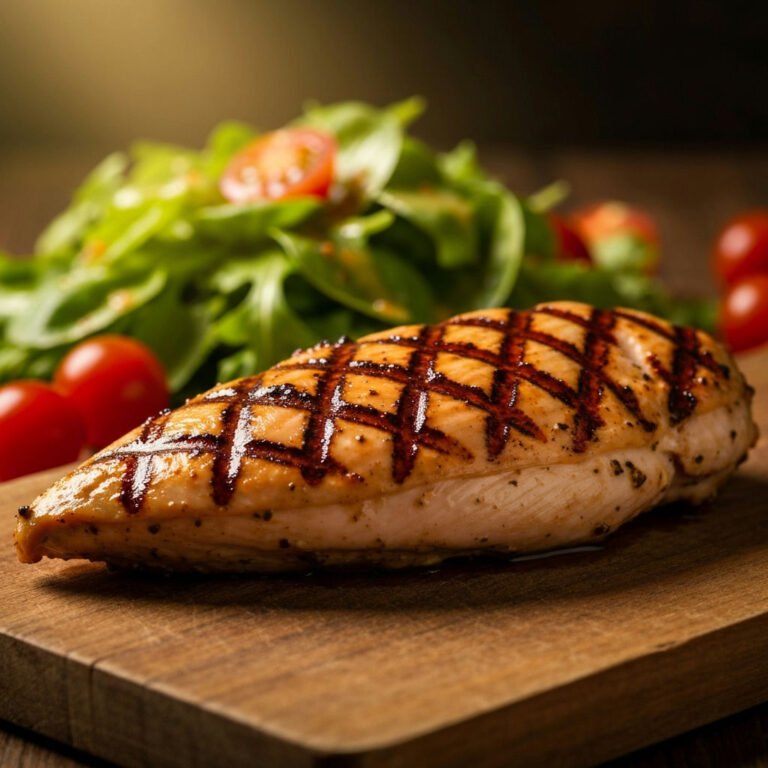
For non-steak eaters, the Grilled Chicken Critters or a larger grilled chicken breast offers a leaner protein source. A standard grilled chicken breast entree might be around 300-500 calories, with 10-20 grams of fat, depending on marinades and preparation.
Sides Dishes: The Supporting Cast
Texas Roadhouse sides are notoriously generous and often rich.
Mashed Potatoes
A standard serving of mashed potatoes, often prepared with butter, cream, or milk, can contain 300-400 calories and 10-15 grams of fat. Adding gravy significantly increases calories, fat, and sodium.
Sweet Potato with Butter and Cinnamon
While sweet potatoes are nutritious, the toppings can change their profile. A medium sweet potato with butter and cinnamon can reach 400-500 calories, with 15-25 grams of fat, primarily from the butter. Marshmallows or caramel sauce would add even more sugar and calories.
Steak Fries
These thick-cut fries are fried and salted. A large order can easily contribute 500-600 calories and 30-40 grams of fat, along with significant sodium.
Green Beans
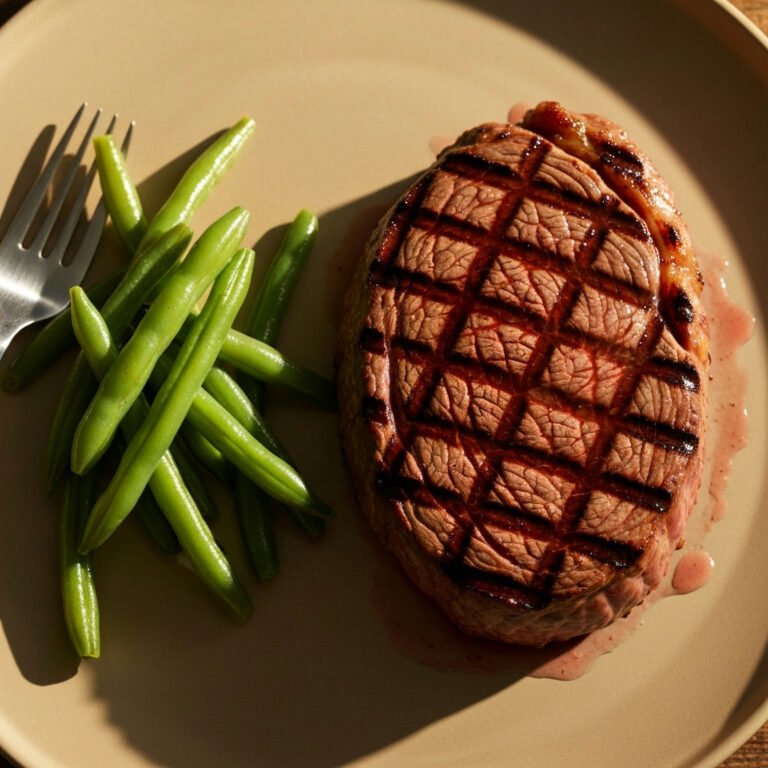
Often prepared with bacon and seasonings, the green beans can be a deceptively high-calorie side. A serving might contain 200-300 calories and 10-15 grams of fat due to added ingredients.
Sautéed Mushrooms
Cooked in butter or oil, mushrooms can add 150-200 calories and 10-15 grams of fat per serving.
Rolls and Peanuts
It’s impossible to discuss Texas Roadhouse without mentioning the complimentary items. The famous Cinnamon Buttered Rolls are calorie-dense treats. A single roll, with its sweet, buttery glaze, can contain upwards of 300 calories and 15-20 grams of fat. The Salted Peanuts, available in buckets, are easy to overconsume, and a few handfuls can add several hundred calories and significant sodium.
LongHorn Steakhouse: A Nutritional Perspective
LongHorn Steakhouse positions itself as offering a more elevated steakhouse experience, focusing on bold flavors and expertly grilled steaks. Like Texas Roadhouse, it provides a wide array of appetizers, entrees, and sides.
Appetizers at LongHorn Steakhouse: Setting the Tone
LongHorn’s appetizers range from lighter options to indulgent fried favorites.
Spinach & Artichoke Dip
A creamy, cheesy classic, this dip is often served with chips. A serving can contain upwards of 800-1000 calories for the entire appetizer, with fat content potentially exceeding 60 grams. The sodium level is also typically very high.
Onion Blossom
This signature appetizer features a large, battered, and deep-fried onion. It’s a calorie bomb, often exceeding 1000 calories for the entire appetizer, with fat content potentially over 70 grams and significant sodium. The dipping sauce adds to this.
Crispy Pan-Seared Noodles
While seemingly less common, some LongHorn locations offer noodle dishes. Nutritional information can vary widely, but fried noodles tend to be high in calories and fat.
Shrimp & Lobster Dip
A more upscale appetizer, this creamy dip is rich and flavorful. It can easily contain 700-900 calories per serving, with high fat and sodium content due to cream, cheese, and seafood.
Fire-Grilled Chicken Wings
A grilled option offers a potential advantage. However, depending on the glaze or sauce, these wings can still be high in sodium and sugar, potentially ranging from 500-700 calories with moderate fat content.
Main Courses: The Steakhouse Centerpiece
LongHorn’s steak selection is extensive, with various cuts and preparations.
Ribeye Steak
Similar to Texas Roadhouse, LongHorn’s Ribeye is a marbled, flavorful cut. A 12-ounce Ribeye can range from 800-1000 calories, with fat content around 60-80 grams. The “Outlaw Ribeye,” known for its seasoning, may have higher sodium.
Porterhouse Steak
This large cut combines the Strip and the Filet. A 22-ounce Porterhouse is designed for sharing but, if consumed individually, can easily surpass 1200-1500 calories and 100+ grams of fat, reflecting its substantial size and marbling.
New York Strip Steak
LongHorn’s 12-ounce New York Strip typically falls between 700-900 calories, with fat content around 50-70 grams. Grilled simply, it offers a solid steak experience.
Filet Mignon
The 6-ounce Filet Mignon at LongHorn is generally around 350-500 calories and 20-30 grams of fat, making it one of the leaner steak options available.
Sirloin Steak
A 6-ounce Sirloin steak at LongHorn usually ranges from 300-450 calories, with fat content around 15-25 grams. It remains a popular choice for those seeking a leaner steak.
Grilled Salmon
For a non-beef option, the Grilled Salmon offers omega-3 fatty acids. A typical serving might be around 500-600 calories, with 30-40 grams of fat, depending on preparation and any accompanying sauces or sides.
Side Dishes: Complementing the Entree
LongHorn offers a variety of sides, from traditional favorites to slightly more adventurous choices.
Mashed Potatoes
Similar to Texas Roadhouse, LongHorn’s mashed potatoes are often prepared with butter and cream, leading to approximately 300-400 calories and 10-15 grams of fat per serving. Gravy adds more.
Macaroni & Cheese
A creamy, indulgent side, the Mac & Cheese can be quite calorie-dense. A serving can contain 400-500 calories and 25-35 grams of fat, along with significant sodium from the cheese and pasta.
Steakhouse Mac & Cheese
This variation is often richer, potentially pushing calories and fat even higher.
French Fries
A standard order of fries can contribute 400-500 calories and 20-30 grams of fat.
Steamed Broccoli
This is often presented as a healthier option. Plain steamed broccoli is low in calories and fat. However, if served with butter or cheese sauce, the nutritional profile changes dramatically, potentially adding 100-200 calories and significant fat.
Sweet Potato with Cinnamon Sugar Topping
Similar to Texas Roadhouse, the toppings elevate the calorie and sugar content. This side can range from 350-450 calories, with added sugars and some fat from toppings.
Direct Comparison: Texas Roadhouse vs. LongHorn Nutrition
When comparing Texas Roadhouse and LongHorn Steakhouse on a nutritional level, several patterns emerge. Both restaurants offer hearty, calorie-dense meals, characteristic of American steakhouses.
Calorie Counts
- Appetizers: Both chains feature appetizers that can easily exceed 500-1000 calories per serving, particularly fried items and creamy dips.
- Steaks: Calorie counts for steaks vary widely by cut and size. A 12-ounce Ribeye at either restaurant will likely be in the 800-1100 calorie range. Leaner cuts like Filet Mignon or Sirloin offer lower calorie options, generally ranging from 300-600 calories depending on the specific preparation and size.
- Sides: Sides at both establishments are substantial. Creamy, cheesy, or fried sides (mashed potatoes, mac & cheese, fries) can add 300-600 calories each. Healthier options like steamed vegetables are lower but can increase in calories with added butter or sauces.
- Overall Meal: A typical meal at either steakhouse, including an appetizer, entree, side, and perhaps a bread roll, can easily range from 1500 to over 2500 calories.
Fat Content
- Fatty Cuts: Ribeyes and other well-marbled steaks are inherently high in fat, often exceeding 50-80 grams per serving at both restaurants.
- Fried Foods: Appetizers and sides that are deep-fried (calamari, onion blossoms, fries) significantly increase fat content, often adding 20-40 grams per item.
- Creamy Sides/Sauces: Mashed potatoes, mac & cheese, and creamy dips are high in fat due to butter, cream, and cheese.
- Leaner Choices: Opting for leaner steak cuts (Filet Mignon, Sirloin) and simpler preparations (grilled chicken, steamed vegetables without butter) can significantly reduce fat intake.
Sodium Levels
- Seasoning and Marinades: Both restaurants use generous amounts of salt in their seasonings and marinades for steaks and other proteins.
- Processed Sides: Sides like mashed potatoes (especially with gravy), mac & cheese, and fries are often prepared with added salt.
- Appetizers: Fried appetizers and creamy dips are typically very high in sodium.
- Bread: Even the complimentary rolls, especially the cinnamon buttered rolls at Texas Roadhouse, can contain a surprising amount of sodium.
A meal at either Texas Roadhouse or LongHorn Steakhouse can easily exceed the daily recommended sodium intake (2300 mg for most adults) with just a few items.
Carbohydrates and Sugar
- Bread: Complimentary bread baskets, particularly at Texas Roadhouse, contribute simple carbohydrates and sugar.
- Sweet Sides: Sweet potatoes topped with butter, cinnamon, marshmallows, or caramel sauce add significant sugar.
- Sauces: Many steak sauces and glazes are high in sugar.
- Refined Carbs: Mashed potatoes, fries, and mac & cheese are primarily sources of refined carbohydrates.
Making Healthier Choices
Navigating these menus doesn’t mean completely abstaining. Smart choices can help manage nutritional intake.
Tips for Texas Roadhouse:
- Skip the Rolls: Resist the temptation of the complimentary cinnamon buttered rolls or limit yourself to one small piece.
- Choose Leaner Steaks: Opt for the Sirloin or Filet Mignon over the Ribeye or Dallas Filet. Ask for sauces on the side.
- Select Lighter Sides: Choose steamed vegetables (like green beans, if prepared without excessive bacon/butter) or a side salad (with dressing on the side) over mashed potatoes, fries, or mac & cheese.
- Share Appetizers: If choosing an appetizer, share it with the table and select grilled options over fried ones if available.
- Water is Your Friend: Stick to water or unsweetened iced tea instead of sugary sodas or sweetened beverages.
Tips for LongHorn Steakhouse:
- Lean Steak Cuts: Similar to Texas Roadhouse, the Sirloin or Filet Mignon are good choices. Consider the 7-Spice Rubbed Sirloin for flavor without excessive fat.
- Mindful Appetizers: Share appetizers and be cautious of creamy dips and fried items. The Grilled মাংস skewers might be a better option.
- Healthier Sides: Opt for steamed vegetables (request no butter), a side salad, or a baked potato (plain, with minimal toppings).
- Portion Control: Be mindful of portion sizes, especially with larger steaks or shared appetizers.
- Sauces on the Side: Request any sauces or dressings on the side to control the amount used.
Conclusion: Informed Dining Decisions
Both Texas Roadhouse and LongHorn Steakhouse offer satisfying dining experiences centered around flavorful, hearty meals. Nutritionally, they present similar challenges, with high calorie, fat, and sodium counts often present across their menus, particularly in appetizers, rich sides, and fattier steak cuts. However, by understanding these nutritional profiles and employing strategic ordering, diners can enjoy these steakhouses more mindfully. Choosing leaner protein options, selecting less decadent sides, practicing portion control, and being aware of hidden sugars and sodium are effective strategies at both Texas Roadhouse and LongHorn Steakhouse in 2026. Ultimately, informed choices empower diners to enjoy their favorite meals while better aligning with their health and wellness goals.
Frequently Asked Questions
What is the leanest steak option at Texas Roadhouse?
The leanest steak option at Texas Roadhouse is typically the Filet Mignon. It is known for its tenderness and lower fat content compared to cuts like the Ribeye or New York Strip. An 8-ounce Filet Mignon generally contains fewer calories and less fat than equivalent portions of other steak varieties on their menu.
Which restaurant generally offers lower calorie appetizers?
It is difficult to definitively state which restaurant generally offers lower-calorie appetizers, as both feature numerous high-calorie fried and creamy options. However, both chains may offer grilled chicken wings or simpler vegetable-based starters that tend to be lower in calories and fat than fried items like calamari or cheese-filled appetizers. Careful examination of specific menu item nutritionals is recommended.
Are LongHorn Steakhouse’s sides healthier than Texas Roadhouse’s?
Neither restaurant’s traditional sides (like mashed potatoes, mac & cheese, fries) are considered particularly healthy due to their preparation methods involving butter, cream, cheese, and frying. Both offer steamed vegetables, which are the healthier choice, but their final nutritional impact depends heavily on added butter or sauces. Baked potatoes are also an option, but toppings significantly increase calories and fat.
How does the sodium content compare between Texas Roadhouse and LongHorn Steakhouse?
Both Texas Roadhouse and LongHorn Steakhouse tend to have high sodium levels across their menus. This is due to generous seasoning on steaks, marinades, sauces, processed side dishes, and appetizers. Specific sodium counts can vary significantly by dish, but it is advisable for individuals monitoring sodium intake to be cautious at both establishments.
Can I find vegan or vegetarian options at these steakhouses?
While primarily focused on meat, both Texas Roadhouse and LongHorn Steakhouse offer some vegetarian-friendly side dishes. Options like plain baked potatoes, steamed vegetables (requesting no butter), corn, or side salads can be suitable. However, dedicated vegan or extensive vegetarian entrees are generally not a focus for either chain. Diners with strict dietary needs should contact the restaurants directly for the most up-to-date information.
What is the nutritional impact of the complimentary bread at Texas Roadhouse?
The complimentary bread, especially the signature cinnamon buttered rolls at Texas Roadhouse, can have a significant nutritional impact. A single roll can contain upwards of 300 calories and substantial amounts of sugar and fat from the butter and cinnamon-sugar topping. Consuming multiple rolls can add hundreds of calories and considerable sugar and fat to the start of your meal.