Texas Roadhouse vs Outback Calories: Healthier Choice?
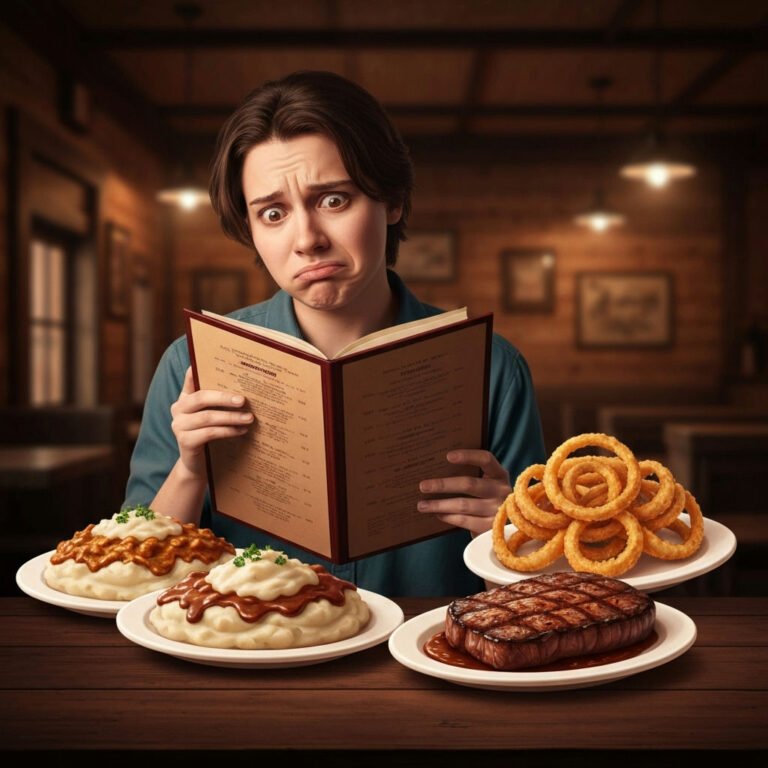
When dining out, especially at popular steakhouse chains, making informed food choices can feel like navigating a minefield of delicious, yet potentially calorie-laden, options. Texas Roadhouse and Outback Steakhouse are two titans in this category, both offering hearty meals and a lively atmosphere. But for those keeping a close eye on their calorie intake, the question arises: Texas Roadhouse vs. Outback calories, which chain offers a healthier dining experience? This comprehensive investigation dives deep into the nutritional profiles of popular dishes, side options, and appetizers from both restaurants, providing clarity for the health-conscious diner in 2026.
The sheer variety of choices at these establishments makes a straightforward comparison challenging. From juicy steaks and loaded baked potatoes to rich desserts, the temptation to indulge is ever-present. However, understanding the caloric impact of each component can empower diners to make smarter selections without sacrificing enjoyment. We will explore typical calorie counts for signature items, analyze common sides, and examine appetizer and dessert differences, all while keeping the focus on the Texas Roadhouse vs. Outback calories debate.
Understanding the Challenge of Restaurant Nutrition

Restaurant meals, particularly those at casual dining chains, often carry higher calorie counts than home-cooked meals. This is due to several factors: larger portion sizes, the use of richer ingredients like butter, cream, and oil in preparation, and the common inclusion of calorie-dense sides and appetizers. According to data from the U.S. Department of Agriculture (USDA), restaurant meals can contain, on average, significantly more calories, sodium, and fat than meals prepared at home. [1]
Both Texas Roadhouse and Outback Steakhouse are known for their generous portions and focus on classic American steakhouse fare. This often translates to meals that can easily exceed recommended daily calorie intake in a single sitting. For instance, a typical American adult’s recommended daily calorie intake ranges from 2,000 to 3,000 calories, depending on age, sex, activity level, and other factors. [2] A single meal at either restaurant could easily account for half, or even more, of that daily allowance.
When comparing Texas Roadhouse vs. Outback calories, it’s crucial to look beyond just the main entrée. The bread served before the meal, appetizers, side dishes, drinks, and desserts all contribute significantly to the overall caloric load. This analysis aims to break down these elements to provide a clearer picture for diners.
Texas Roadhouse: A Closer Look at the Menu
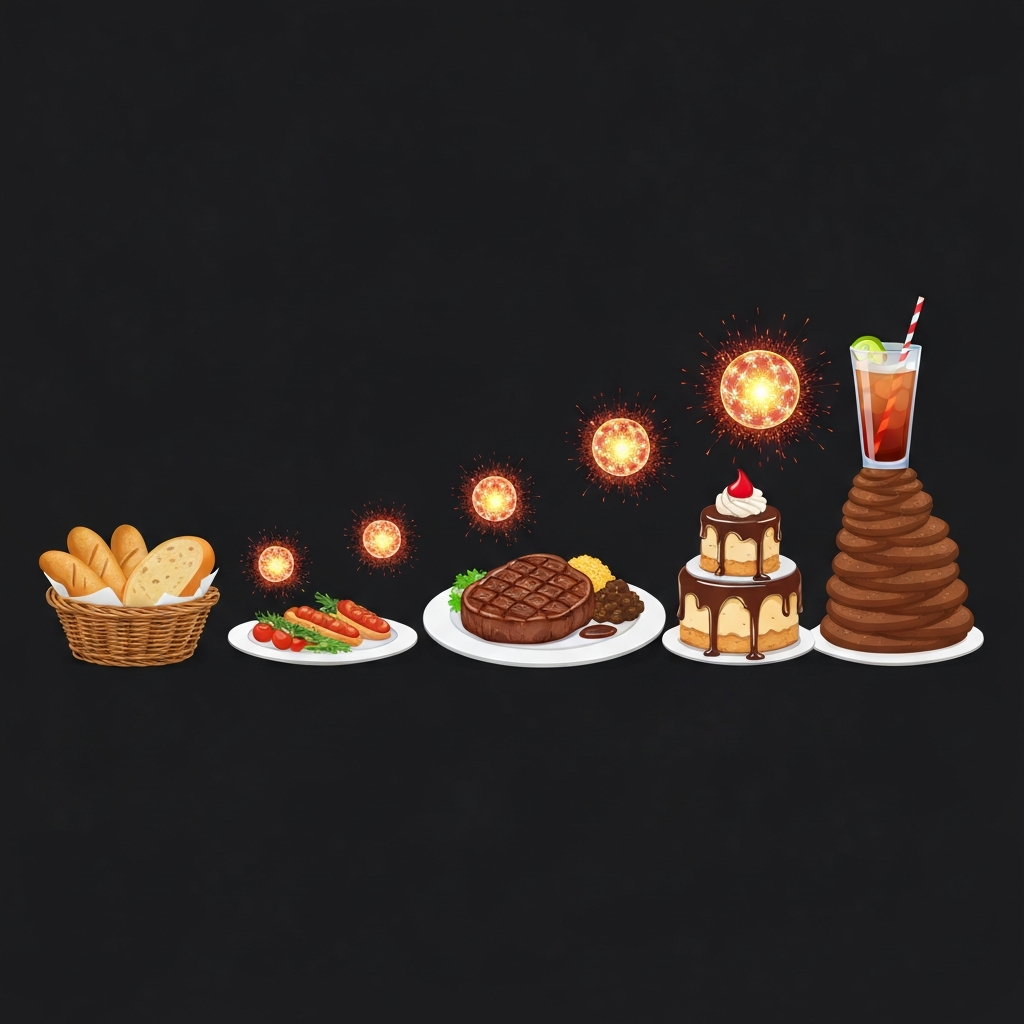
Texas Roadhouse emphasizes a “hand-cut” steak experience with a lively, country-western theme. Their menu features a wide array of steaks, ribs, chicken, and seafood, often prepared with robust flavors.
Signature Steaks and Entrées at Texas Roadhouse
The calorie count of steaks at Texas Roadhouse can vary dramatically based on the cut, size, and preparation method.
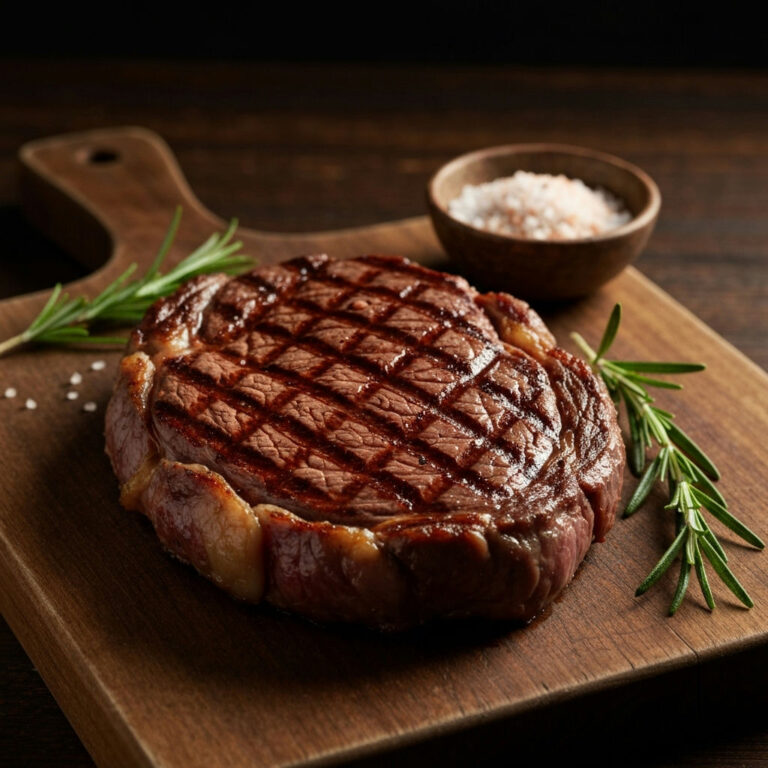
- Dallas Filet (6 oz): This popular choice typically ranges from 350-450 calories before any added sauces or butter.
- Ribeye (12 oz): A larger, fattier cut, the Ribeye can easily reach 700-900 calories or more, especially when cooked with added butter.
- New York Strip (10 oz): Similar to the Ribeye, this cut often falls in the 600-800 calorie range.
- Porterhouse (23 oz): This massive steak is designed for sharing and can exceed 1,500 calories on its own.
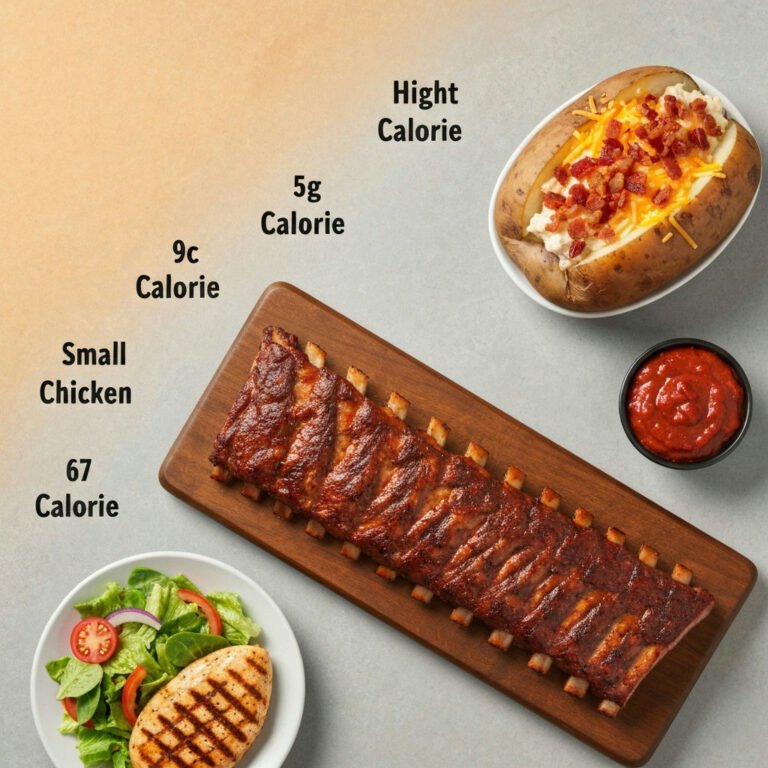
- Fall-Off-The-Bone Ribs (Full Rack): These ribs are notoriously calorie-dense, often clocking in at 1,200-1,500 calories due to the glaze and preparation.
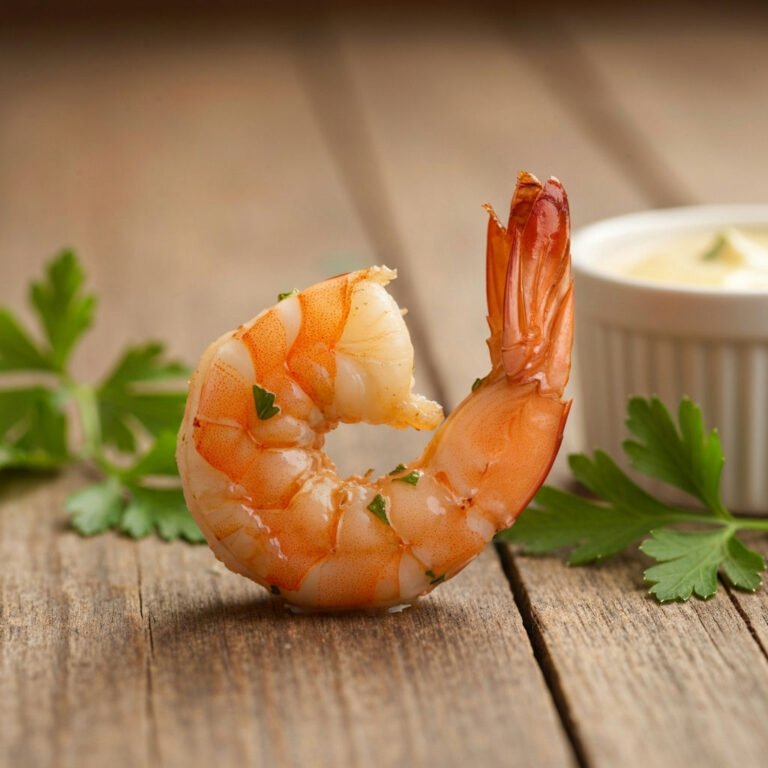
- Grilled Shrimp: A lighter option, typically around 200-300 calories for a standard serving.
It’s important to note that these are estimates. The addition of toppings like sautéed mushrooms, onions, or cheese, and especially the generous amount of butter often used to baste steaks, can add hundreds of calories.
Texas Roadhouse Sides: Where Calories Can Sneak In
The side dishes at Texas Roadhouse are a significant contributor to the overall meal’s calorie count. While some healthier options exist, many are prepared with butter, cheese, and other rich ingredients.
- Loaded Sweet Potato: With butter, marshmallows, and caramel, this can easily exceed 600-800 calories. A plain baked sweet potato is a much lighter choice, typically around 200-300 calories.
- Loaded Baked Potato: Similar to the sweet potato, when loaded with butter, sour cream, cheese, and bacon bits, this can reach 500-700 calories. A plain baked potato is around 250-350 calories.
- Steak Fries: A standard order of fries is usually around 400-500 calories.
- Mashed Potatoes: Generously prepared with butter and cream, a serving can be 300-450 calories.
- Green Beans: Often cooked with bacon and onions, this side can range from 150-250 calories. When prepared simply without added fats, it’s a much healthier choice.
- Corn: Creamed corn is richer, typically 200-300 calories, while plain corn on the cob is around 100-150 calories.
- Side Salad: A basic side salad with dressing can range from 150-300 calories, depending on the dressing choice and added toppings like cheese or croutons. Opting for vinaigrette and asking for dressing on the side can significantly reduce calories.
Texas Roadhouse Appetizers and Breads
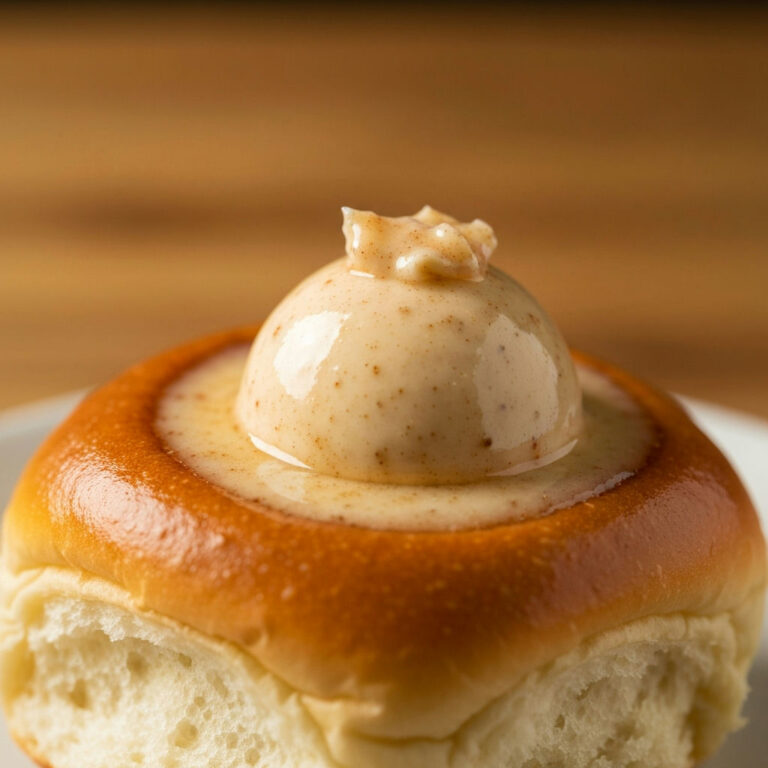
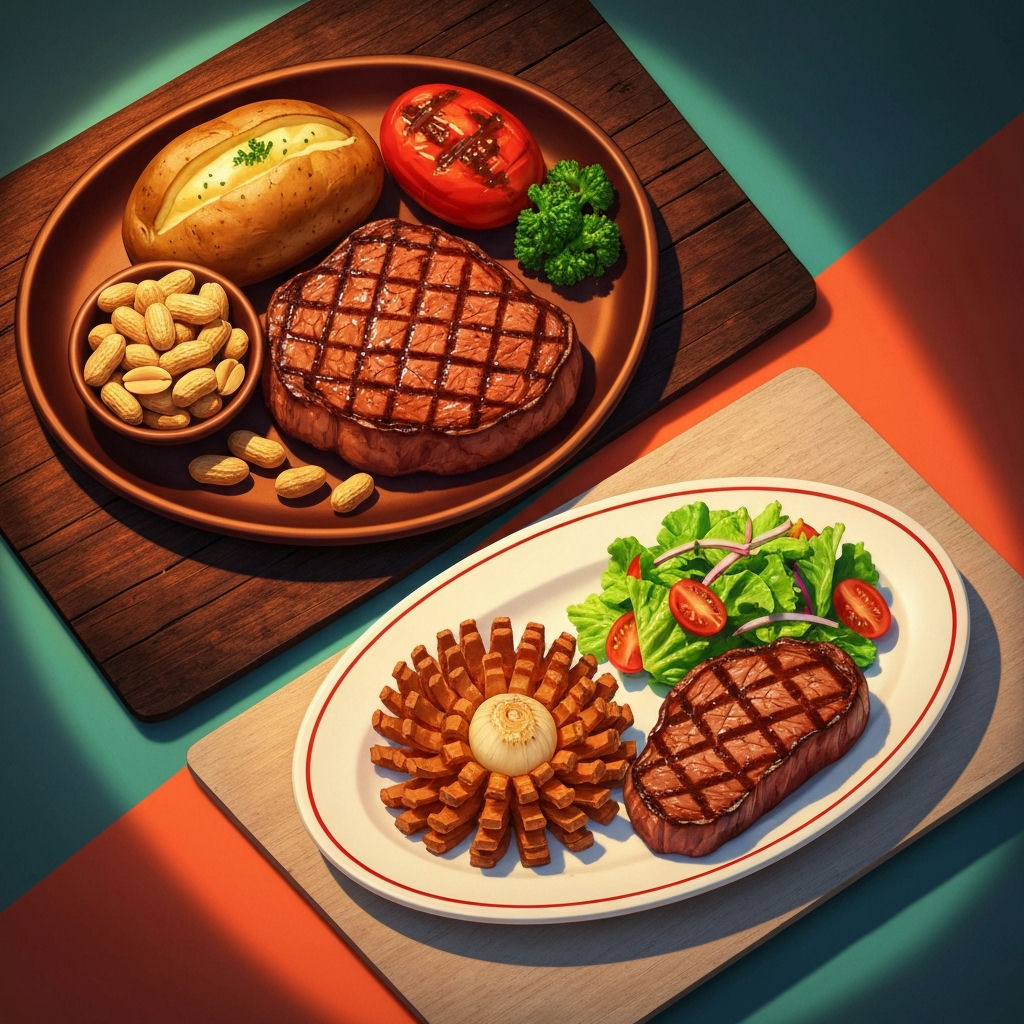
The complimentary peanuts and yeast rolls at Texas Roadhouse are a beloved part of the experience, but they do add calories. A small handful of peanuts can be around 100-150 calories, and each yeast roll with cinnamon butter can add another 150-200 calories.
- Tumbleweed: Fried onions are a popular appetizer but are very high in calories, often 800-1000 calories or more.
- Cactus Blossom: Another fried appetizer, this large onion dish can exceed 1,200 calories.
- Calamari: Fried calamari typically ranges from 500-700 calories.
Outback Steakhouse: Exploring the Australian-Themed Menu
Outback Steakhouse offers a diverse menu with an Australian flair, featuring steaks, chicken, seafood, and burgers. Similar to Texas Roadhouse, their focus is on robust flavors and satisfying portions.
Signature Steaks and Entrées at Outback Steakhouse
Outback’s steaks are also a major draw, and their calorie counts are comparable to those at Texas Roadhouse, with variations based on cut and size.
- Victoria’s Filet (6 oz): This lean cut generally falls between 300-400 calories without added sauces.
- Ribeye (12 oz): Similar to its counterpart at Texas Roadhouse, the Ribeye can range from 700-900 calories, with additional calories from preparation and butter.
- New York Strip (10 oz): This cut typically ranges from 600-800 calories.
- Bloomin’ Onion: While not an entrée, this iconic appetizer is extremely calorie-dense, often 1,100-1,500 calories.
- Alice Springs Chicken: Grilled chicken topped with sautéed mushrooms, bacon, and cheese, this entrée can be around 700-900 calories.
- Grilled Salmon: A healthier protein option, a standard serving is usually 400-500 calories.
Outback also offers various sauces and toppings that can significantly increase the calorie count of any dish.
Outback Steakhouse Sides: A Variety of Choices
Outback provides a range of side options, some of which are healthier than others.
- Baked Potato: Plain, it’s around 250-350 calories. Loaded with butter, sour cream, and cheese, it can climb to 500-700 calories.
- Sweet Potato: Plain, it’s about 200-300 calories. With toppings like butter and cinnamon sugar, it can reach 400-600 calories.
- Steakhouse Fries: A typical serving is around 400-500 calories.
- Mashed Potatoes: Prepared with butter and cream, expect 300-450 calories.
- Roasted Asparagus: A lighter choice, typically 100-150 calories when prepared with minimal oil.
- Steamed Broccoli: Usually around 50-100 calories, especially when served without butter.
- Side Salad: Similar to Texas Roadhouse, a side salad with dressing can range from 150-300 calories, depending on the dressing and additions.
Outback Appetizers and Breads
Outback’s “Cinnamon Oblivion” bread is served warm and can add a significant number of calories, with each piece potentially containing 150-200 calories with butter.
- Bloomin’ Onion: As mentioned, this is one of the highest-calorie appetizers available anywhere, often exceeding 1,100 calories for the entire dish.
- Kookaburra Wings: Fried chicken wings are calorie-dense, with a serving typically ranging from 700-900 calories.
- Aussie Cheese Fries: A shareable appetizer that can easily reach 1,500-2,000 calories or more, loaded with cheese, bacon, and ranch dressing.
Direct Comparison: Texas Roadhouse vs. Outback Calories
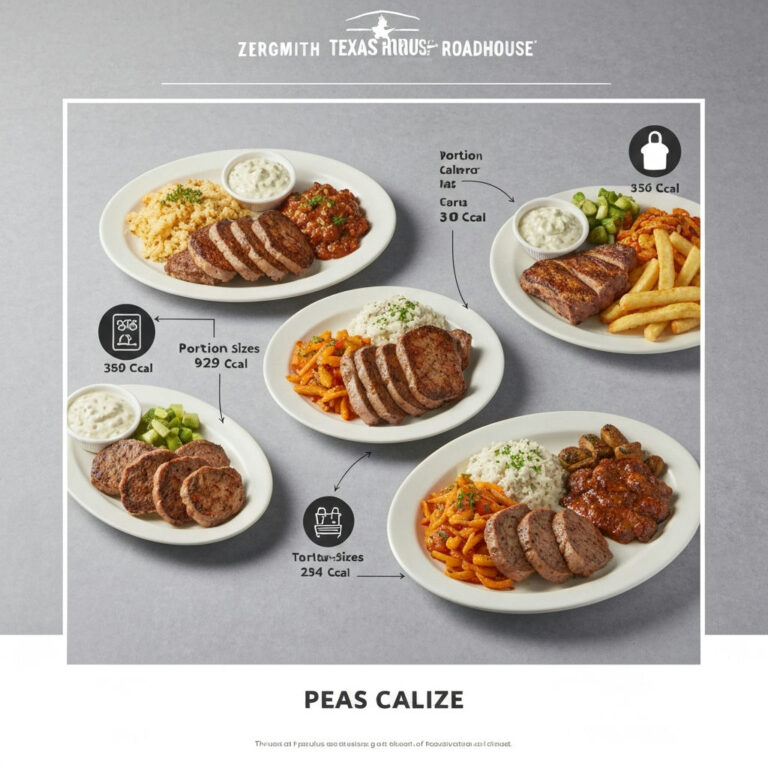
When directly comparing Texas Roadhouse vs. Outback calories, several patterns emerge. Both restaurants offer similarly calorie-dense signature dishes and appetizers. The primary differences often lie in the specific preparation, portion sizes, and the composition of their signature items.
Entrée Calorie Ranges
- Leaner Steaks (e.g., 6 oz Filet): Both offer options in a similar calorie range, roughly 300-450 calories. The key here is the cut and size.
- Larger, Fattier Steaks (e.g., 12 oz Ribeye): Both chains feature steaks that can easily exceed 700-900 calories. The fat content of the cut is a major factor.
- Ribs: Texas Roadhouse’s “Fall-Off-The-Bone Ribs” are generally considered a very high-calorie choice, often surpassing 1,200 calories for a full rack. Outback’s ribs, while also substantial, might have slightly different caloric profiles depending on the glaze.
- Chicken Entrées: Dishes like Outback’s Alice Springs Chicken (around 700-900 calories) tend to be higher in calories due to toppings compared to a simply grilled chicken breast. Texas Roadhouse’s grilled chicken options are generally lower.
Side Dish Showdown
The side dishes are where diners can exert the most control over their meal’s calorie count.
- Potatoes: Both offer loaded baked and sweet potatoes that can add 500-800 calories. Plain potatoes are a more moderate choice.
- Fries: Standard orders of steak fries at both establishments are similarly calorie-dense, around 400-500 calories.
- Vegetables: Steamed vegetables like broccoli or green beans are the lowest calorie options at both. However, Texas Roadhouse’s green beans are often cooked with bacon, increasing their calorie count compared to plain steamed broccoli at Outback. Creamed corn or mashed potatoes at either restaurant will add 200-450 calories.
Appetizer Acrobatics
When it comes to appetizers, both chains are famous for their indulgent, high-calorie options.
- Iconic Fried Appetizers: Outback’s Bloomin’ Onion (1,100-1,500 calories) and Texas Roadhouse’s Tumbleweed or Cactus Blossom are in a similar league of calorie bombs. Sharing these is highly recommended, or better yet, skipping them altogether if calorie control is the priority.
- Wings and Fries: Fried wings and cheese fries at both locations are substantial calorie additions, often ranging from 700-2,000 calories per appetizer.
Making Healthier Choices at Texas Roadhouse and Outback Steakhouse
Navigating the menus at Texas Roadhouse and Outback Steakhouse doesn’t mean you have to forgo enjoyment. By employing a few strategies, you can significantly reduce the caloric impact of your meal.
Strategies for Calorie Control
- Choose Leaner Proteins: Opt for grilled chicken breast, fish, or leaner cuts of steak like a filet mignon or sirloin, and select smaller portion sizes.
- Be Mindful of Preparation: Ask for steaks and chicken to be grilled or broiled without added butter or sauces. Request sauces and dressings on the side.
- Select Lighter Sides: Prioritize steamed or grilled vegetables (broccoli, green beans without bacon), side salads with vinaigrette, or a plain baked potato or sweet potato. Avoid loaded potatoes, mashed potatoes, creamed corn, and fries.
- Control Appetizers: If you choose an appetizer, select lighter options like a side salad or grilled shrimp. If indulging in a high-calorie appetizer like the Bloomin’ Onion or Tumbleweed, consider it your entire meal or share it among several people.
- Skip the Bread Basket and Peanuts: While tempting, the complimentary items add significant calories. Enjoy them in moderation or skip them entirely.
- Hydrate Wisely: Stick to water, unsweetened iced tea, or diet sodas. Sugary drinks and alcoholic beverages can add hundreds of hidden calories.
- Portion Awareness: Consider ordering a lunch portion or taking half of your entrée home for another meal.
Example Healthier Meal Combinations
At Texas Roadhouse:
- Entrée: 6 oz Dallas Filet, grilled with no added butter.
- Side: Steamed green beans (ask for preparation without bacon if possible) or a side salad with vinaigrette on the side.
- Drink: Water or unsweetened iced tea.
Estimated Calories: ~500-700*
At Outback Steakhouse:
- Entrée: Grilled Chicken on the Barbie (ask for no sauce or sauce on the side).
- Side: Steamed broccoli or roasted asparagus.
- Drink: Water or diet soda.
Estimated Calories: ~400-600*
These examples demonstrate that a satisfying meal with a significantly lower calorie count is achievable at both establishments.
The Verdict: Texas Roadhouse vs. Outback Calories
In the direct comparison of Texas Roadhouse vs. Outback calories, neither restaurant emerges as definitively “healthier” across the board. Both offer a wide spectrum of choices, from relatively lighter options to calorie-dense indulgence.
- Steak Calorie Counts: Similar cuts and sizes at both restaurants will have comparable calorie profiles, heavily influenced by fat content and preparation.
- Side Dishes: Both chains provide high-calorie sides (loaded potatoes, fries, mashed) and lower-calorie options (plain potatoes, simple vegetables). Texas Roadhouse’s preparation of green beans with bacon might make them slightly higher in calories than plain steamed vegetables at Outback.
- Appetizers: Both are known for their notoriously high-calorie signature appetizers.
- Overall Experience: The “healthiest” choice depends entirely on the individual diner’s selections. A person choosing a large, loaded meal at Outback could easily consume more calories than someone opting for a lean steak and a side salad at Texas Roadhouse, and vice versa.
The key takeaway for the Texas Roadhouse vs. Outback calories debate is empowerment through knowledge. By understanding the typical calorie ranges of different menu items and employing smart ordering strategies, diners can enjoy the experience at either restaurant while staying within their nutritional goals.
Frequently Asked Questions (FAQ)
What is the average calorie count of a steak at Texas Roadhouse?
The average calorie count for a steak at Texas Roadhouse varies significantly by cut and size. A 6 oz Dallas Filet might range from 350-450 calories, while a larger 12 oz Ribeye can easily be 700-900 calories or more, especially with added butter. Larger, shareable steaks like the Porterhouse can exceed 1,500 calories.
How do Outback Steakhouse’s appetizers compare in calories to Texas Roadhouse’s?
Both Outback Steakhouse and Texas Roadhouse are known for their calorie-dense appetizers. Outback’s signature Bloomin’ Onion can range from 1,100 to 1,500 calories. Texas Roadhouse’s popular fried appetizers, like the Cactus Blossom or Tumbleweed, are similarly high, often exceeding 1,000 calories. Shareable cheese fries or wing appetizers at either location can also add substantial calories.
Are there healthier side options available at Texas Roadhouse?
Yes, Texas Roadhouse offers healthier side options. While popular choices like loaded baked potatoes or steak fries are high in calories, diners can opt for a plain baked potato, a plain sweet potato, or steamed vegetables like green beans. Choosing a side salad with dressing on the side is also a good strategy to control calorie intake.
Which restaurant generally offers lower-calorie entrées?
Neither Texas Roadhouse nor Outback Steakhouse is inherently lower in calories across their entire entrée menu. Both chains offer a range from leaner proteins to rich, calorie-laden dishes. The calorie count depends heavily on the specific cut of meat, portion size, preparation method, and any added sauces or toppings. For instance, a grilled chicken breast entrée at either restaurant will likely be lower in calories than a large, fatty steak or a fully loaded rack of ribs.
Can I significantly reduce calories by modifying my order at Outback Steakhouse?
Absolutely. You can significantly reduce calories at Outback Steakhouse by making smart modifications. Opt for grilled or broiled preparations without added butter or sauces, choose leaner cuts of steak or chicken, and select lighter side dishes such as steamed vegetables or a side salad with vinaigrette. Asking for dressings and sauces on the side gives you control over how much is used. Avoiding high-calorie appetizers and sugary drinks also plays a crucial role.
How do the complimentary breads and peanuts at Texas Roadhouse impact calorie counts?
The complimentary yeast rolls and peanuts at Texas Roadhouse contribute to the overall meal’s calorie count. Each yeast roll, especially when served with cinnamon butter, can add approximately 150-200 calories. A small handful of peanuts can contribute around 100-150 calories. While enjoyable, these items can add a significant number of calories before the main meal even arrives, so moderation or skipping them can help manage calorie intake.
Conclusion
When the question of Texas Roadhouse vs. Outback calories arises, the answer is nuanced. Both restaurants excel at delivering satisfying, flavorful meals that can be high in calories. Neither chain holds a consistent advantage in offering lower-calorie options across the board; rather, the caloric impact of your meal rests squarely on the choices you make.
Texas Roadhouse and Outback Steakhouse provide menus filled with temptations, from iconic appetizers and hearty steaks to rich side dishes and decadent desserts. However, by understanding the nutritional landscape of these popular establishments and employing mindful ordering strategies—such as selecting leaner proteins, lighter sides, and controlling sauces and toppings—diners can navigate these menus successfully. Prioritizing hydration with water or unsweetened beverages and being aware of the caloric contributions of complimentary items and appetizers are also vital steps.
Ultimately, enjoying a meal at either Texas Roadhouse or Outback Steakhouse while managing calorie intake is achievable. It requires a conscious effort to choose wisely, ask for modifications when necessary, and balance indulgent items with healthier selections. The “healthier” choice is not dictated by the restaurant’s name but by the diner’s informed decisions.
[1] U.S. Department of Agriculture. (n.d.). FoodData Central. Retrieved from https://fdc.nal.usda.gov/
[2] U.S. Department of Health and Human Services and U.S. Department of Agriculture. Dietary Guidelines for Americans, 2020-2025. 9th Edition. December 2020. Available at DietaryGuidelines.gov.