Texas Roadhouse Calories: How Many Should You Eat?
Texas Roadhouse is a popular American steakhouse chain known for its lively atmosphere, hand-cut steaks, and generous portions. While it’s a go-to spot for a satisfying meal, understanding the calorie content of its menu items is crucial for anyone managing their diet. A single meal at Texas Roadhouse can easily exceed 1,000 calories, sometimes even reaching 2,000 or more, especially when appetizers, sides, drinks, and desserts are included. This makes it essential to approach dining there with a plan if you’re mindful of your calorie intake.
This comprehensive guide will help you navigate the Texas Roadhouse menu, understand the calorie implications of your choices, and offer strategies for enjoying your meal while staying within your dietary goals for 2026. We will explore the calorie counts of popular dishes, discuss factors influencing calorie intake, and provide practical tips for making healthier selections.
Understanding Your Daily Calorie Needs
Before diving into Texas Roadhouse specifics, it’s important to know your personal daily calorie target. This number varies based on several factors, including age, sex, weight, height, and activity level. Generally, women need between 1,600 and 2,400 calories per day, while men need between 2,000 and 3,000 calories per day. Sedentary individuals require fewer calories, while those who are very active need more.
Calculating Your Basal Metabolic Rate (BMR)
Your Basal Metabolic Rate (BMR) is the number of calories your body burns at rest to maintain basic functions like breathing, circulation, and cell production. You can estimate your BMR using formulas like the Mifflin-St Jeor equation:
- For men: BMR = (10 × weight in kg) + (6.25 × height in cm) – (5 × age in years) + 5
- For women: BMR = (10 × weight in kg) + (6.25 × height in cm) – (5 × age in years) – 161
Adjusting for Activity Level
Once you have your BMR, you multiply it by an activity factor to determine your Total Daily Energy Expenditure (TDEE):
- Sedentary (little or no exercise): BMR × 1.2
- Lightly active (exercise 1-3 days/week): BMR × 1.375
- Moderately active (exercise 3-5 days/week): BMR × 1.55
- Very active (exercise 6-7 days/week): BMR × 1.725
- Extra active (very intense exercise & physical job): BMR × 1.9
This TDEE is your estimated daily calorie requirement to maintain your current weight. To lose weight, you typically need to consume fewer calories than your TDEE; to gain weight, you need to consume more.
Calorie Breakdown of Texas Roadhouse Favorites

Texas Roadhouse’s menu offers a wide array of options, from classic steaks and ribs to chicken, seafood, and numerous sides. Understanding the calorie density of these choices is the first step toward making informed decisions.
Appetizers: The Calorie Kick-Off
Appetizers can be a delicious start, but they often pack a significant calorie punch.
- Cactus Blossom: This fried onion appetizer is a crowd-pleaser. A whole Cactus Blossom can easily contain over 2,000 calories, primarily from the batter, oil, and dipping sauce.
- Fried Pickles: While seemingly lighter, a serving of fried pickles, including the dipping sauce, can range from 600 to over 1,000 calories.
- Rattlesnake Bites: These cheese-filled bites, when fried, can also contribute 600-800 calories or more, depending on the portion size and dipping sauce.
- Tumbleweed Shrimp: Fried shrimp tossed in a spicy sauce can add another 500-700 calories to your meal.
It’s often best to share appetizers or opt for lighter choices like a side salad (dressing on the side) or grilled mushrooms.
Steaks and Main Courses: The Heart of the Meal
The star of the show at Texas Roadhouse is often the steak. Calorie counts vary dramatically based on the cut, size, and preparation method.
- Dallas Filet (6 oz): A leaner cut, the Dallas Filet typically ranges from 400 to 600 calories without added butter or sauces.
- Ribeye (12 oz): A more marbled cut, a 12 oz Ribeye can contain over 900 calories, sometimes exceeding 1,200 calories, especially with added seasonings or butter.
- New York Strip (10 oz): This cut generally falls between the Filet and Ribeye, with a 10 oz portion often containing 700 to 900 calories.
- Porterhouse (23 oz): This massive steak is designed for sharing and can easily surpass 1,500 calories on its own.
- St. Louis Ribs (Half Rack): Smothered in barbecue sauce, a half rack of ribs can easily range from 800 to 1,200 calories.
- Grilled Salmon: A healthier protein option, a grilled salmon fillet might be around 400-600 calories, depending on size and preparation.
Important Note: These figures are estimates. Adding toppings like sautéed mushrooms, onions, or sauces can add significant calories. For example, a creamy mushroom topping can add 200-300 calories, and steak butter can add another 100-200 calories.
Sides: The Hidden Calorie Contributors
Sides are where many meals can become unexpectedly high in calories. Texas Roadhouse offers hearty, often butter-laden options.
- Loaded Mashed Potatoes: Creamy, cheesy, and often topped with bacon, a serving can reach 500-700 calories.
- French Fries: A standard order of fries can be 400-600 calories.
- Sweet Potato with Marshmallows and Caramel: This dessert-like side can contain 600-800 calories or more.
- Macaroni & Cheese: A creamy, cheesy side can easily add 400-600 calories.
- Green Beans: Often cooked with bacon and seasonings, a serving of green beans can range from 200-300 calories. While a better option than fried sides, the additions matter.
- Side Salad: A basic side salad with a light vinaigrette (dressing on the side) might be 100-200 calories. However, creamy dressings and toppings can double this.
- Steamed Vegetables: Plain steamed vegetables are the lowest-calorie option, typically under 100 calories.
Rolls and Butter: A Tempting Trap
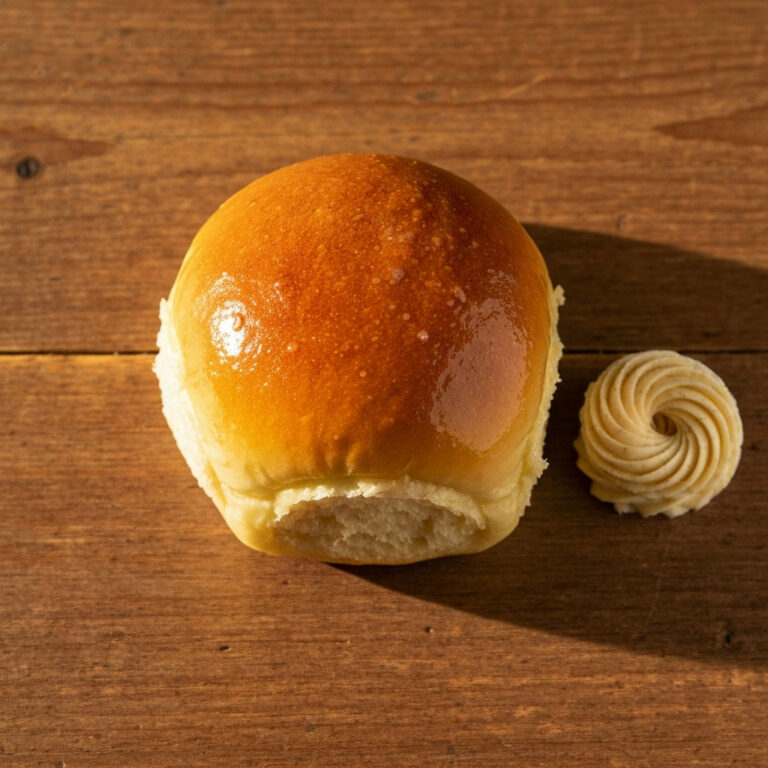
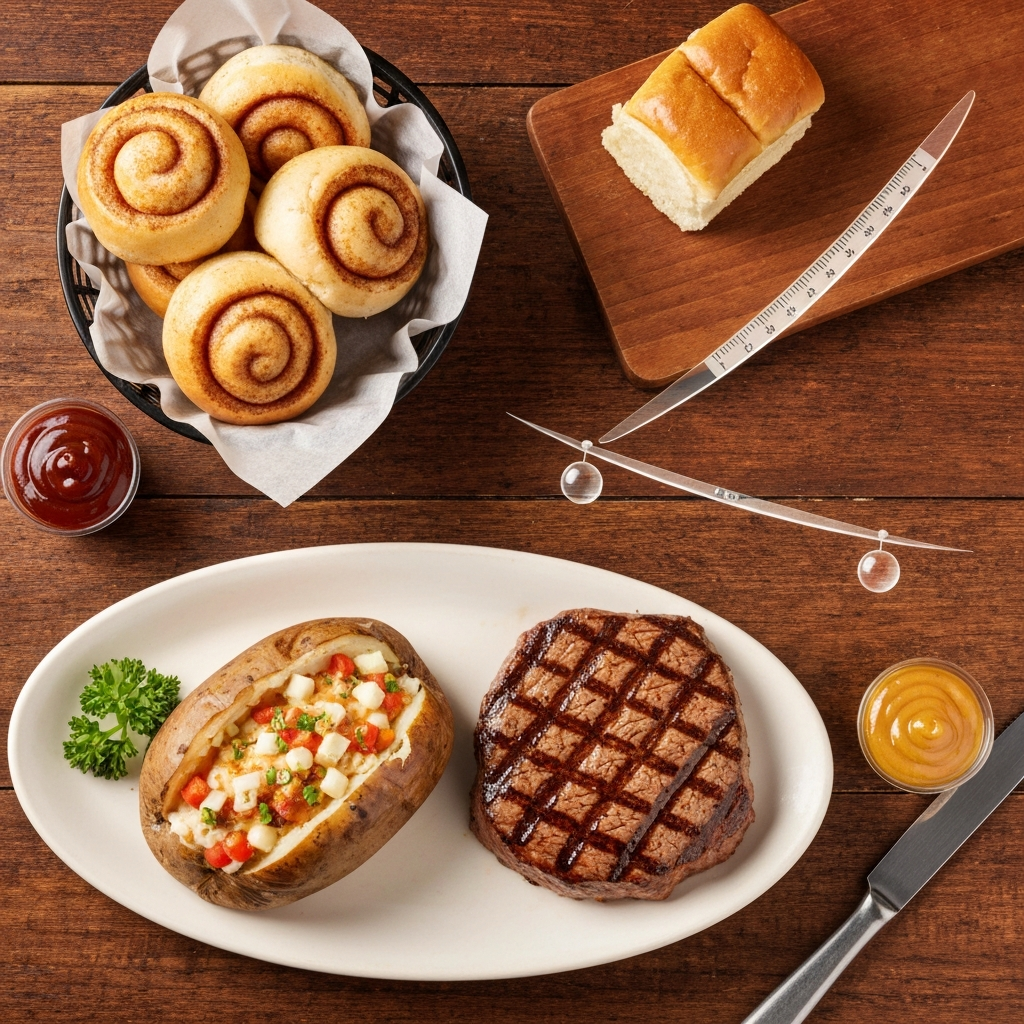
The complimentary rolls and cinnamon butter are a signature part of the Texas Roadhouse experience. However, they are calorie-dense.
- Each Roll: A single roll can contain 150-200 calories.
- Cinnamon Butter: A tablespoon of cinnamon butter adds approximately 100-150 calories.
Consuming just two rolls with butter can add 400-600 calories before your main meal even arrives.
Drinks and Desserts: The Final Frontier
Beverages and desserts can significantly increase your total calorie count.
- Sweet Tea/Soda: A large sweet tea or soda can contain 200-400 calories.
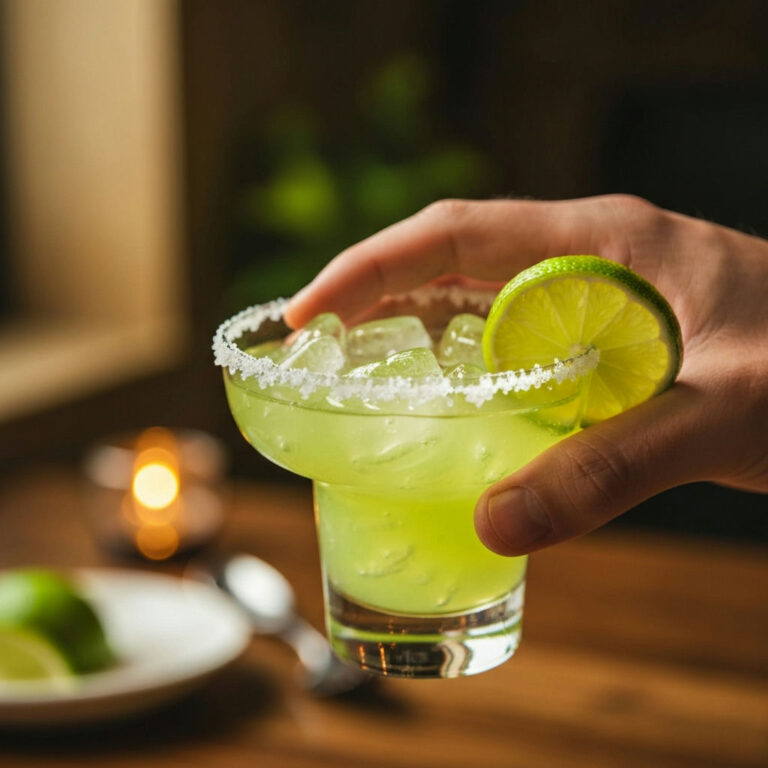
- Margaritas/Cocktails: Alcohol and mixers add calories quickly. A standard margarita can be 300-500 calories.
- Big Ol’ Brownie: This decadent dessert can easily contain 800-1,200 calories, especially when served with ice cream.
- Cheesecake: A slice of cheesecake typically ranges from 600-900 calories.
Strategies for a Lower-Calorie Texas Roadhouse Meal
Enjoying a meal at Texas Roadhouse doesn’t mean you have to derail your healthy eating habits. Strategic choices can make a big difference.
1. Plan Ahead Using Online Resources
Texas Roadhouse provides nutrition information on its website. Before you go, check the official Texas Roadhouse nutrition guide or use online calculators like Texas Roadhouse Nutrition Calculator to look up calorie counts for specific items. This allows you to make informed decisions before you even sit down.
2. Be Mindful of Appetizers
- Skip Them: The easiest way to save calories is to skip appetizers altogether.
- Share: If you crave an appetizer, share one with the table. Choose options that are easier to portion, like grilled shrimp or a shared salad.
- Opt for Lighter Choices: Consider a side salad with dressing on the side, grilled mushrooms, or a cup of chili (without excessive toppings).
3. Choose Leaner Proteins and Lighter Preparations
- Leaner Cuts: Opt for cuts like the Dallas Filet or Sirloin, which are generally leaner than Ribeyes or T-bones.
- Smaller Portions: Order a smaller steak size if available.
- Grilled Over Fried: Always choose grilled or baked options over fried ones (e.g., Grilled Salmon over Fried Chicken Critters).
- Avoid Toppings: Ask for your steak or chicken plain, without added butter, sauces, or toppings. Request sauces on the side.
4. Select Smarter Sides
- Steamed Vegetables: This is usually the lowest-calorie side option.
- Side Salad: Choose a side salad with a light vinaigrette dressing served on the side. Use sparingly.
- Plain Baked Potato: A plain baked potato is a better choice than loaded versions. You can add a small amount of salsa or a light sprinkle of cheese instead of butter and sour cream.
- Seasoned Rice: While not the lowest in calories, it can be a reasonable choice if prepared without excessive butter or oil.
- Limit Creamy/Cheesy Sides: Avoid loaded mashed potatoes, mac & cheese, and creamy spinach.
5. Control Your Rolls and Butter Intake
- Limit to One: Decide beforehand to have only one roll, or even skip them entirely.
- Minimize Butter: Use a very thin scraping of cinnamon butter or ask for regular butter and use less.
- Share Rolls: Place the basket in the center of the table and have everyone take one.
6. Drink Wisely
- Water is Best: Opt for water, unsweetened iced tea, or diet soda.
- Limit Sugary Drinks: Avoid regular sodas, sweet teas, and sugary cocktails. If you choose alcohol, stick to lighter options like vodka soda or light beer.
7. Rethink Dessert
- Share: If you have a sweet tooth, share a dessert with others.
- Fruit Options: Ask if any lighter fruit-based options are available.
- Coffee/Tea: A cup of black coffee or unsweetened tea can satisfy the craving for something warm.
Example Lower-Calorie Meal Options
Here are a few examples of how you might construct a meal at Texas Roadhouse that is more calorie-conscious:
Option 1 (Around 700-900 Calories):
- Main: 6 oz Dallas Filet (approx. 400-500 calories)
- Side: Steamed Vegetables (approx. 50-100 calories)
- Side: Side Salad with Vinaigrette (dressing on the side, approx. 150-200 calories total)
- Drink: Water or Diet Soda (0-5 calories)
- Rolls: Skip or have one roll with minimal butter (approx. 150-200 calories)
Option 2 (Around 800-1000 Calories):
- Main: Grilled Salmon (approx. 400-600 calories)
- Side: Plain Baked Potato (approx. 250-350 calories, use salsa sparingly)
- Drink: Unsweetened Iced Tea (approx. 5 calories)
- Rolls: Skip entirely.
Option 3 (Around 600-800 Calories):
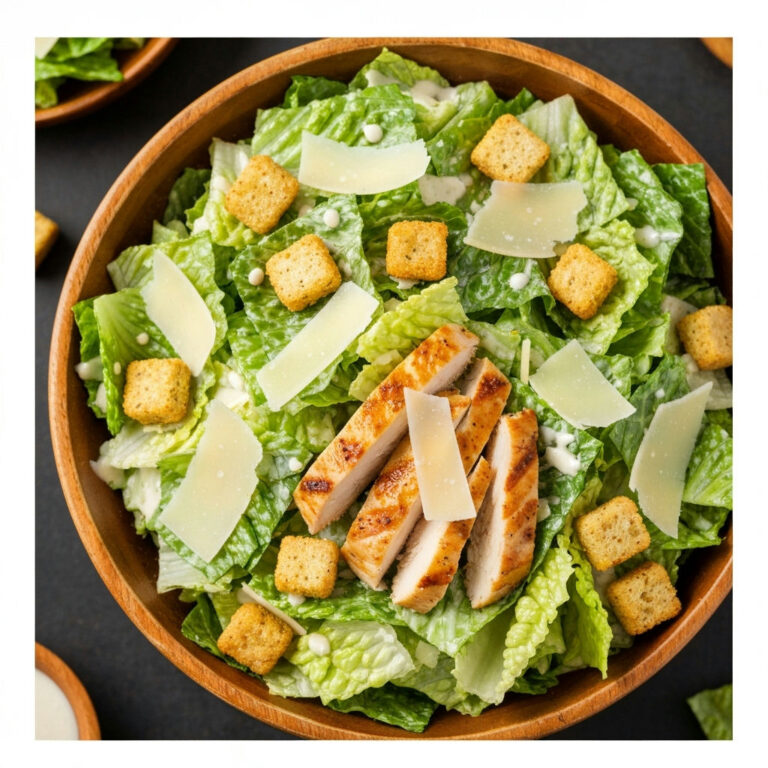
- Main: Grilled Chicken Salad (ask for dressing on the side, approx. 500-700 calories total)
- Drink: Water (0 calories)
- Rolls: Skip entirely.
Remember, these are estimates. The exact calorie count depends on preparation and portion sizes. Using a tool like Texas Roadhouse Nutrition Calculator can provide more precise figures.
The Role of Macronutrients Beyond Calories
While calories are a primary focus for weight management, macronutrients (protein, carbohydrates, and fats) also play a crucial role in satiety and overall health.
- Protein: Essential for muscle repair and growth, protein is also very satiating, helping you feel full longer. Lean protein sources like grilled chicken, fish, and leaner steak cuts are excellent choices.
- Carbohydrates: Provide energy. Opt for complex carbohydrates like those found in whole grains or vegetables rather than refined sugars and starches. Sweet potatoes offer some nutrients, but their preparation often adds significant calories.
- Fats: Necessary for hormone production and nutrient absorption. Healthy fats are found in avocados, nuts, and olive oil. However, fats are calorie-dense (9 calories per gram compared to 4 for protein and carbs), so portion control is key. Fried foods and heavy sauces are often high in less healthy fats.
A balanced meal incorporating lean protein, plenty of vegetables, and a moderate portion of complex carbohydrates will be more satisfying and nutritionally sound than a meal high in refined carbs and unhealthy fats, even if the calorie counts were similar.
Considerations for Special Diets
If you follow a specific diet, such as ketogenic, low-carb, or vegetarian, dining at Texas Roadhouse requires extra vigilance.
- Keto/Low-Carb: Focus on steaks, plain chicken, fish, and non-starchy vegetables. Avoid rolls, mashed potatoes, fries, sweet potatoes, sugary sauces, and breaded items. Be mindful of hidden carbs in marinades and seasonings.
- Vegetarian: Options are limited. Salads (hold the chicken/steak), steamed vegetables, and potentially a plain baked potato are the main choices. Some locations might offer a vegetable plate. Check for vegetarian appetizers like grilled mushrooms.
- Gluten-Free: Many steak and potato options can be gluten-free, but cross-contamination is a risk, and sauces/seasonings may contain gluten. Always inform your server about severe allergies or sensitivities.
Making Informed Choices: A Summary
Dining at a place like Texas Roadhouse, known for its hearty meals, requires a proactive approach to calorie management.
- Know Your Target: Understand your individual daily calorie needs.
- Research: Use the restaurant’s nutritional information beforehand.
- Prioritize Lean Protein: Choose grilled chicken, fish, or leaner steak cuts.
- Smart Sides: Opt for steamed vegetables, side salads (dressing on the side), or a plain baked potato.
- Limit High-Calorie Starters & Desserts: Share, choose lighter options, or skip them.
- Watch Your Drinks: Stick to water, diet sodas, or unsweetened tea.
- Control the Rolls: Be mindful of the complimentary bread basket.
- Customize: Don’t hesitate to ask for modifications like sauces on the side or no added butter.
By implementing these strategies, you can enjoy the flavors and atmosphere of Texas Roadhouse while staying aligned with your health and wellness goals throughout 2026. Remember, moderation and informed choices are key to balancing indulgence with a healthy lifestyle.
Frequently Asked Questions
What is the highest calorie meal at Texas Roadhouse?
The highest calorie meals at Texas Roadhouse typically involve multiple courses, often starting with a rich appetizer like the Cactus Blossom, followed by a large, marbled steak (like a 23 oz Porterhouse or a large Ribeye) with loaded sides (like loaded mashed potatoes or mac & cheese), accompanied by a sweet drink, and potentially a decadent dessert like the Big Ol’ Brownie. A combination like this could easily exceed 2,500-3,000 calories or more.
Can I eat at Texas Roadhouse and still lose weight?
Yes, you can eat at Texas Roadhouse while trying to lose weight by making careful, strategic choices. Focus on lean protein options like a smaller Dallas Filet or grilled chicken breast, pair them with low-calorie sides such as steamed vegetables or a side salad with dressing on the side, and limit high-calorie items like appetizers, rolls, sweet drinks, and desserts. Planning ahead using their nutritional information is highly recommended.
How many calories are in the rolls and cinnamon butter?
Each complimentary Texas Roadhouse roll contains approximately 150-200 calories. The cinnamon butter adds about 100-150 calories per tablespoon. Consuming just two rolls with a moderate amount of cinnamon butter can add 400-600 calories to your meal before you even order your main course.
What are the best low-calorie side options at Texas Roadhouse?
The best low-calorie side options at Texas Roadhouse are typically steamed vegetables and a side salad with a light vinaigrette dressing served on the side. A plain baked potato is also a relatively lower-calorie choice compared to loaded mashed potatoes or mac & cheese, especially if you limit toppings like butter and sour cream.
Are the steaks at Texas Roadhouse healthy?
Steaks can be part of a healthy diet, depending on the cut, size, and preparation. Leaner cuts like the Dallas Filet or Sirloin, ordered without added butter or sauces, provide protein and essential nutrients. However, larger, more marbled cuts like the Ribeye, especially when prepared with added fats and seasonings, are significantly higher in calories and saturated fat. Healthiness depends heavily on the specific choice and how it’s prepared.
How can I estimate the calories in my Texas Roadhouse meal?
You can estimate the calories in your Texas Roadhouse meal by consulting the official nutrition information provided by the restaurant, often available on their website or via a nutrition calculator tool like Texas Roadhouse Nutrition Calculator. Break down your meal into appetizer, main course, sides, drink, and dessert, and sum the estimated calorie counts for each component. Remember to account for additions like sauces, butter, and dressings.