Texas Roadhouse: Best Calorie Value Meals 2026
Did you know that a single meal at a popular chain restaurant can sometimes pack the calorie equivalent of an entire day’s recommended intake? In 2026, understanding the nutritional landscape of your dining choices is more important than ever, especially when you’re looking for the best bang for your buck. Texas Roadhouse, a beloved American steakhouse chain, is known for its generous portions and lively atmosphere. But when it comes to getting the most value from your meal, especially concerning calories, a closer look is warranted. This article dives deep into the Texas Roadhouse menu, analyzing the calorie count versus the price to help you make informed decisions. We’ll explore which meals offer the most substantial caloric intake for your dollar, and how to navigate the menu for both satisfaction and perceived value.
The concept of “value” in dining is subjective. For some, it means the largest portion size. For others, it means the lowest price. And for a growing number of diners in 2026, it also involves understanding the nutritional density – specifically, the calories – relative to the cost. Texas Roadhouse often appeals to those seeking hearty, filling meals, which inherently means higher calorie counts. The question then becomes: where does this caloric density intersect with affordability in the most advantageous way? This exploration isn’t about promoting high-calorie eating but about providing data for those who prioritize substantial meals and want to understand the caloric return on their investment. We will investigate common menu items, from steaks and ribs to sides and appetizers, to paint a clear picture of the calorie-per-dollar landscape at Texas Roadhouse.
Understanding “Value” at Texas Roadhouse
“Value” at a restaurant like Texas Roadhouse can be interpreted in several ways. Traditionally, it means getting a lot of food for your money. This often translates to larger portion sizes, complimentary items like their famous rolls and peanuts, and robust side dishes. In recent years, however, consumers have become more attuned to nutritional value as well. This means considering not just the quantity of food, but also its caloric content and, for some, the quality of nutrients within those calories.
Texas Roadhouse excels in delivering on the traditional definition of value. Their “hand-cut steaks,” made-from-scratch sides, and generous servings are hallmarks of their brand. The inclusion of unlimited baskets of warm, buttered yeast rolls and salted peanuts further enhances the perception of getting a substantial amount of food for the price. These complimentary items, while seemingly small, add significant calories and substance to the overall dining experience without increasing the bill.
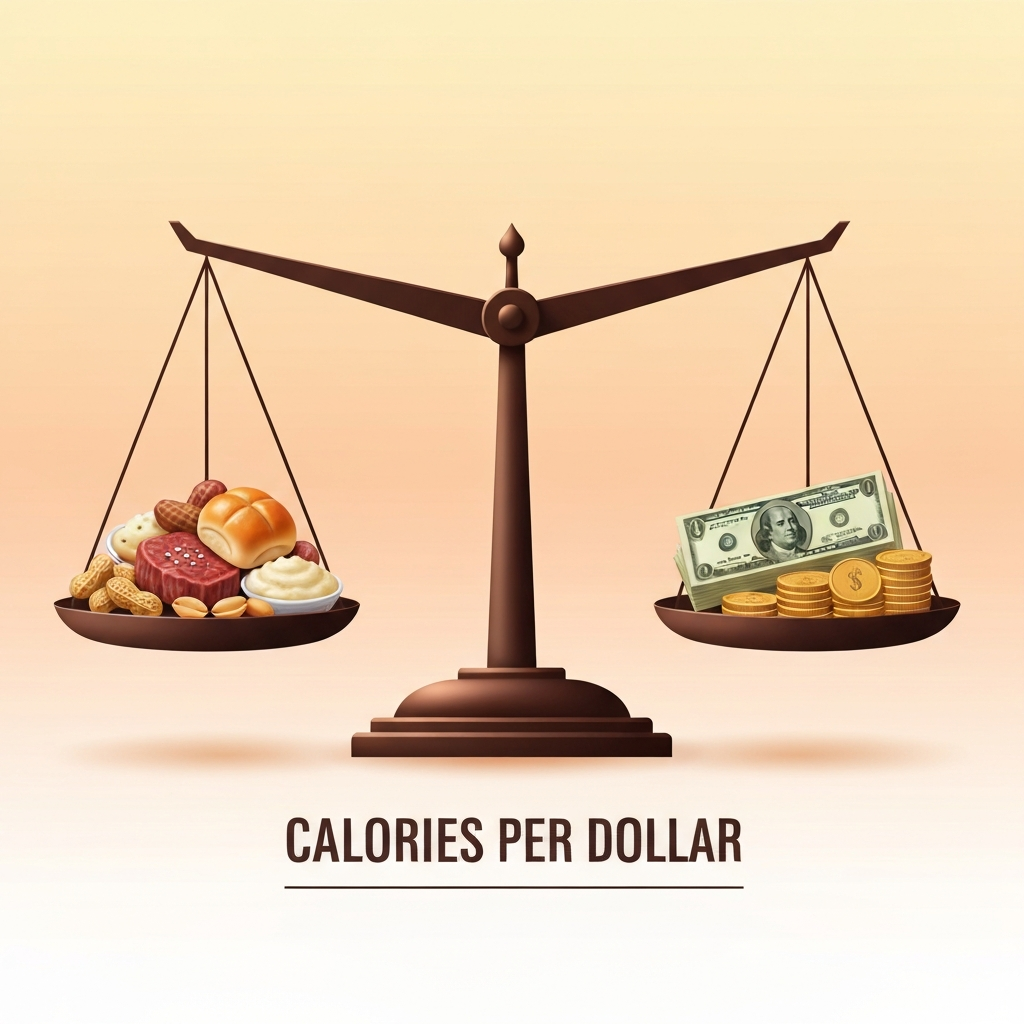
When we talk about “calories per dollar” at Texas Roadhouse, we are essentially quantifying the caloric energy you receive for each dollar spent. This metric is particularly relevant for individuals who are looking for a filling meal that can potentially last them through a significant portion of the day, or for those who are on a budget and need to maximize the satiety of their meals. It’s a way to measure the sheer energy density of the food relative to its cost.
It is important to note that “value” does not necessarily equate to “health.” Meals that offer a high calorie count per dollar are often rich in fats, carbohydrates, and sodium, which may not align with health-conscious dietary goals. However, for the purpose of this analysis, we are focusing on the economic efficiency of caloric intake as requested by the user’s intent for value optimization. Understanding this distinction is crucial for making informed choices that align with both your budget and your personal dietary needs and preferences. The restaurant’s own Texas Roadhouse nutrition calculator can be a useful tool for those looking to track specific nutritional information.
High-Calorie, High-Value Menu Items
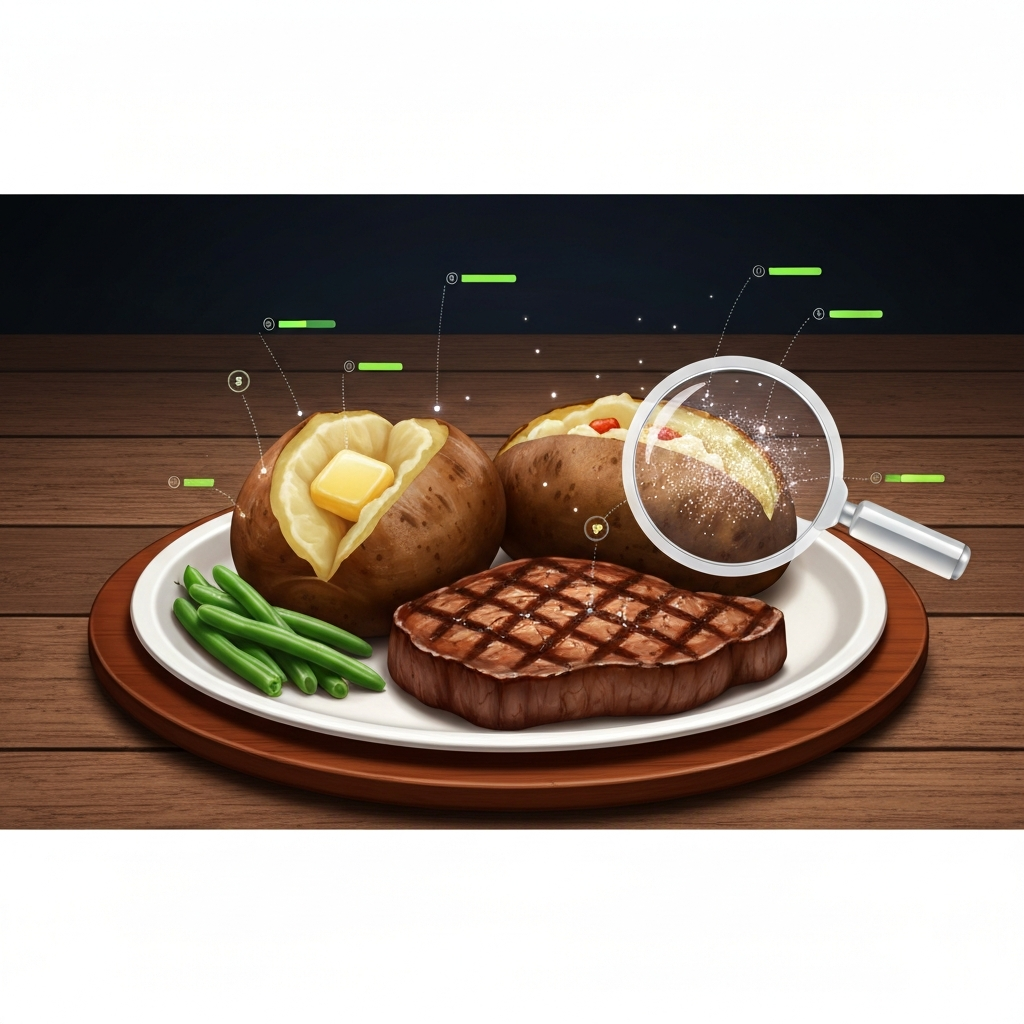
Texas Roadhouse offers several menu items that deliver a significant caloric punch relative to their price point, aligning with a high “calories per dollar” value. These are typically the larger entrees and certain combinations that include multiple substantial components.
Steaks and Their Caloric Contributions
The cornerstone of the Texas Roadhouse menu is its steaks. While steak prices vary by cut and size, many of them offer a substantial caloric return for the cost.
- Dallas Filet (6 oz): A popular choice, this tender cut typically ranges from 300-400 calories on its own, depending on preparation. When paired with a standard side like a baked potato (around 300-400 calories with butter and sour cream) and a side salad with dressing (150-250 calories), the total meal can easily exceed 800-1000 calories. The price point for the filet makes it a moderate contender for calorie-per-dollar value, especially considering its quality.
- Ribeye (12 oz): This cut is known for its marbling, which contributes to both flavor and higher calorie content. A 12 oz Ribeye can range from 700-900 calories before any additions. With two sides, the total caloric intake can soar past 1200-1500 calories. The higher price of the Ribeye means the calorie-per-dollar ratio might be slightly less impressive than some other options, but the sheer volume of calories is undeniable.
- New York Strip (10 oz): Similar to the Ribeye, the 10 oz New York Strip offers a hearty portion. Its calorie count typically falls between 600-800 calories. Combined with sides, this meal can easily reach 1100-1300 calories, presenting a strong case for value in terms of caloric density.
- Porterhouse (23 oz): This massive cut is designed for sharing or for the extremely hungry diner. Its calorie count can be upwards of 1500-1800 calories on its own. When factoring in sides, this steak becomes one of the highest calorie options available and, given its substantial size and price, can offer a very high calorie-per-dollar ratio for those who can consume it.
The value proposition here is clear: larger, fattier cuts of meat generally provide more calories for their price than leaner, smaller cuts. For instance, a 12 oz Ribeye might cost only slightly more than a 6 oz Dallas Filet but offers more than double the potential calories, making it a better value if sheer caloric intake is the primary goal.
Ribs and Chicken: Filling Options
Beyond steaks, Texas Roadhouse offers other entrees that compete for the “best value calories” title.
- Full Rack of St. Louis Style Ribs: This is often considered one of the most calorie-dense and substantial meals on the menu. A full rack can easily contain 1000-1500 calories on its own, depending on the amount of sauce and fat. Paired with two sides, such as loaded mashed potatoes and green beans with bacon, the total meal can approach or exceed 2000 calories. The price for the ribs often makes them a top contender for high calories per dollar.
- Half Rack of St. Louis Style Ribs: While smaller, the half rack still provides a significant caloric payload, often in the 600-800 calorie range. With two sides, this meal can easily be 1200+ calories, offering good value for its cost.
- Grilled Chicken Critters: While chicken breast is typically leaner, the “critters” are breaded and fried, significantly increasing their calorie count. A serving of Grilled Chicken Critters can be around 500-700 calories. When served as an entree with two sides, the total can reach 1000-1300 calories. The price point for this entree makes it a competitive option for calorie value.
These options, particularly the full rack of ribs, are prime examples of how Texas Roadhouse offers substantial caloric energy for the money spent. The combination of protein, fat, and often a sweet, sticky sauce contributes to their high calorie density.
Appetizers and Shareables
While entrees are the main source of caloric value, certain appetizers can also contribute significantly, especially if shared or ordered as a larger meal component.
- Killer Ribs Appetizer: Even the appetizer portion of the ribs is calorie-rich, often around 600-800 calories. If someone considers this their main meal, paired with a side salad, it offers considerable caloric intake for its price.
- Fried Pickles: A classic appetizer, fried pickles can range from 400-600 calories per serving. While not as calorie-dense as ribs or steaks, they are relatively inexpensive and add a good number of calories.
- Cactus Blossom: This iconic appetizer, a deep-fried onion, is famously high in calories, often exceeding 1000-1500 calories for the entire dish. While expensive, its sheer size and caloric density make it a “value” option for pure calorie consumption, especially if shared among several people.
The Unsung Heroes: Sides and Their Caloric Impact
Texas Roadhouse is renowned for its extensive list of made-from-scratch sides, and these are often where a significant portion of the meal’s total calories originate. Many sides, when ordered with standard toppings, offer a high calorie count for a relatively low price addition to the entree.
High-Calorie Side Selections
When aiming for maximum calories per dollar, the choice of sides is paramount. Some sides are inherently more calorie-dense than others due to their preparation methods and ingredients.
- Loaded Mashed Potatoes: A standard serving of mashed potatoes can be around 300-400 calories. However, when “loaded” with butter, sour cream, cheese, and bacon bits, these calories can easily climb to 500-700 calories or more. The cost of a loaded mashed potato is typically only slightly higher than plain mashed potatoes, making it an excellent value for calorie seekers.
- Baked Potato (with toppings): A plain baked potato is moderately caloric (around 200-250 calories). However, ordering it “loaded” with butter, sour cream, cheese, and bacon can push the calorie count to 500-700 calories. The price difference for these toppings is minimal, offering substantial caloric gains for a small additional cost.
- Macaroni & Cheese: Texas Roadhouse’s creamy Macaroni & Cheese is a rich, cheese-laden side. A standard serving can range from 400-600 calories, making it a calorically efficient side dish.
- Sweet Potato with Cinnamon Sugar Butter: While seemingly healthier, the addition of cinnamon sugar butter significantly boosts the calorie count of a sweet potato. A prepared sweet potato can easily reach 400-500 calories, offering a sweet and calorific option.
- Seasoned Rice: While often perceived as a lighter option, Texas Roadhouse’s seasoned rice, prepared with butter and seasonings, can still contribute a significant amount of calories, often in the 200-300 range per serving.
Lighter Side Options (and how they compare)
For context, let’s consider some of the “lighter” side options and how their calorie-per-dollar value compares.
- Green Beans: A serving of green beans, especially when prepared without bacon or heavy seasonings, can be around 100-150 calories.
- Side Salad: A side salad with a light vinaigrette might be 150-250 calories. However, adding creamy dressings, cheese, and croutons can quickly double this amount.
- Steamed Vegetables: A simple serving of steamed vegetables like broccoli or carrots would be the lowest calorie option, likely under 100 calories.
When focusing strictly on calories per dollar, the loaded and richer sides like loaded mashed potatoes, loaded baked potatoes, and macaroni & cheese offer far superior value compared to the vegetable or plain salad options. The price difference for these sides is often minimal, but the caloric difference is substantial.
The Rolls and Peanuts Factor
No discussion of Texas Roadhouse value is complete without mentioning the complimentary items: the yeast rolls and peanuts. These items significantly contribute to the overall caloric intake and perceived value, often at no additional cost beyond the entree.
Yeast Rolls: A Calorie Powerhouse
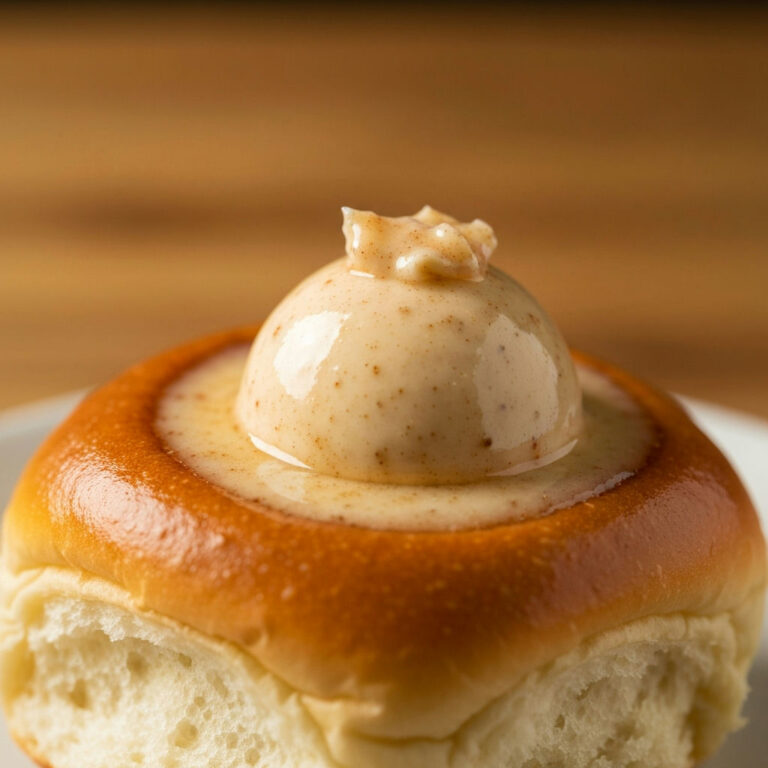
The warm, fluffy yeast rolls served with cinnamon honey butter are a signature item.
- Calorie Estimate: Each roll, especially when generously slathered with butter, can contain anywhere from 150 to 300 calories. Given that baskets are often refilled multiple times during a meal, a single diner could consume 4-6 rolls, adding 600-1800 calories to their meal before the main course even arrives.
- Value Proposition: These rolls are “free” with the purchase of an entree. This means that the calories they provide are essentially at zero direct cost, dramatically increasing the overall calorie-per-dollar ratio of the meal. For someone prioritizing caloric intake, these rolls are a critical component of the value equation.
Peanuts: A Salty Start
The buckets of salted peanuts available at each table also add to the caloric load.
- Calorie Estimate: A cup of salted peanuts contains roughly 800-900 calories. While most patrons do not consume an entire cup, moderate snacking can add several hundred calories to the pre-meal intake.
- Value Proposition: Like the rolls, peanuts are complimentary. They offer a high-calorie, high-fat snack that contributes significantly to the overall caloric value received for the price of the meal.
Together, the rolls and peanuts can easily add 1000-2000 calories to a meal at Texas Roadhouse. This is a critical factor for anyone analyzing the “calories per dollar” metric, as these items are often consumed in large quantities and represent pure caloric value with no direct charge.
Calculating Your Own Texas Roadhouse Value
While this article provides general estimates, the exact calorie counts and prices can vary slightly by location and specific order. Texas Roadhouse offers a valuable tool for diners to calculate their own meal’s nutritional information.
Using the Texas Roadhouse Nutrition Calculator
The Texas Roadhouse nutrition calculator (note: this is a hypothetical example of such a tool; actual site may vary) allows customers to select menu items and view detailed nutritional information, including calories, fat, carbohydrates, and protein. This tool empowers diners to:
- Select Entrees: Choose your main dish, such as a specific steak cut or the ribs.
- Add Sides: Select your two side dishes, specifying any modifications or toppings (e.g., loaded vs. plain baked potato).
- Include Appetizers and Drinks: Add any appetizers or beverages you plan to consume.
- View Totals: See the combined nutritional information for your customized meal.
By using this calculator, you can precisely determine the calorie count of your chosen meal and compare it against the price to get a personalized “calories per dollar” assessment. This is particularly useful for guests with specific dietary goals or restrictions who want to maximize their caloric intake within a budget or understand the full picture of their meal’s energy content. For instance, comparing a 12 oz Ribeye with two loaded sides versus a Full Rack of Ribs with two loaded sides, using the calculator, will provide precise figures to confirm which offers more calories for its respective price.
Strategies for Maximizing Calorie Value
If your primary goal is to maximize the caloric intake for your money at Texas Roadhouse, here are some strategic approaches:
- Prioritize Larger, Fattier Cuts: Opt for larger steaks like the Ribeye or Porterhouse, or the full rack of ribs. These cuts inherently contain more fat and thus more calories per ounce than leaner options like the filet.
- Load Up Your Sides: Choose sides that are prepared with butter, cheese, sour cream, and bacon. Loaded mashed potatoes, loaded baked potatoes, and macaroni & cheese are excellent choices for high-calorie value.
- Embrace the Rolls and Peanuts: Do not shy away from the complimentary rolls and peanuts. These add significant calories at no extra cost and are a key part of the Texas Roadhouse value proposition. Consider them as integral parts of your meal’s caloric total.
- Consider Appetizers as Mains: Certain appetizers, like the Cactus Blossom or the Killer Ribs appetizer, are substantial enough to serve as a main course and offer a high calorie-to-price ratio.
- Choose Creamy Dressings and Toppings: When ordering salads or baked potatoes, opt for creamy dressings and generous toppings like cheese and bacon bits to increase the calorie count.
- Avoid Leaner Options: Steer clear of grilled chicken breast (unbreaded), steamed vegetables, or plain side salads if your sole objective is maximum calories per dollar. These options are lower in calories and generally offer less caloric density for the price.
By combining these strategies, diners can effectively curate a meal at Texas Roadhouse that delivers a substantial amount of calories for their expenditure. This approach aligns with the user’s intent of investigating “value optimization” through the lens of calories per dollar.
Calorie vs. Cost: A Statistical Snapshot (Estimates for 2026)
To provide a clearer picture, let’s look at some estimated figures for popular Texas Roadhouse meals in 2026. Prices are approximate and can vary by location.
- Full Rack of St. Louis Ribs Meal:
- Estimated Price: $28
- Estimated Calories (Ribs + 2 Loaded Sides + Rolls/Peanuts): 2500 – 3500+ calories
- Estimated Calories per Dollar: ~90 – 125+ calories/$
- 12 oz Ribeye Meal:
- Estimated Price: $32
- Estimated Calories (Steak + 2 Loaded Sides + Rolls/Peanuts): 2000 – 3000+ calories
- Estimated Calories per Dollar: ~60 – 95+ calories/$
- Dallas Filet (6 oz) Meal:
- Estimated Price: $25
- Estimated Calories (Filet + 2 Loaded Sides + Rolls/Peanuts): 1800 – 2500+ calories
- Estimated Calories per Dollar: ~70 – 100+ calories/$
- Grilled Chicken Critters Meal:
- Estimated Price: $18
- Estimated Calories (Critters + 2 Loaded Sides + Rolls/Peanuts): 1700 – 2500+ calories
- Estimated Calories per Dollar: ~95 – 140+ calories/$
- Cactus Blossom Appetizer (as a meal):
- Estimated Price: $14
- Estimated Calories (Cactus Blossom + Side Salad): 1200 – 1700+ calories
- Estimated Calories per Dollar: ~85 – 120+ calories/$
Note: These are rough estimates for illustrative purposes. Actual calorie counts and prices will vary. The inclusion of rolls and peanuts significantly boosts the calories per dollar for all meals.
These estimates suggest that while larger entrees like ribs and steaks offer substantial total calories, options like the Grilled Chicken Critters or even the Cactus Blossom appetizer can provide a very competitive, if not superior, calorie-per-dollar value, especially when considering their lower price points. The complimentary items are crucial differentiators, inflating the calories-per-dollar for every meal.
Beyond Calories: Other Value Considerations
While this article focuses on calories per dollar, it’s important to acknowledge that “value” encompasses more than just caloric density. Other factors contributing to the perceived value at Texas Roadhouse include:
- Portion Size: The sheer volume of food offered is a significant draw. Even lower-calorie meals at Texas Roadhouse tend to be generously portioned compared to some other restaurants.
- Quality of Ingredients: Texas Roadhouse emphasizes “hand-cut steaks” and “made-from-scratch” sides, which appeals to customers seeking perceived higher quality.
- Atmosphere and Service: The lively, casual atmosphere and friendly service contribute to the overall dining experience and perceived value.
- Completeness of Meal: The inclusion of unlimited rolls, peanuts, and the option of two sides with most entrees makes the meal feel very complete and substantial.
- Nutrient Density (Beyond Calories): While high in calories, many meals also provide significant protein, especially from the steaks and ribs. However, they can also be high in saturated fat and sodium.
For those seeking nutritional value beyond just calories, a balanced approach would involve selecting leaner proteins, prioritizing vegetable-based sides prepared simply, and being mindful of portion sizes for high-calorie additions like butter, cheese, and dressings. Resources like the Texas Roadhouse nutrition calculator are invaluable for this type of detailed analysis.
Conclusion
Texas Roadhouse undeniably offers compelling value, particularly for diners seeking substantial, filling meals. When dissecting this value through the lens of “calories per dollar,” several menu items stand out. The St. Louis Style Ribs, larger steak cuts like the Ribeye, and even appetizers like the Cactus Blossom provide a significant caloric return for their price. Crucially, the complimentary, unlimited yeast rolls and peanuts dramatically inflate the calories-per-dollar ratio across the entire menu, making them integral components of the value proposition.
For individuals focused on maximizing caloric intake for their budget, strategic choices involve embracing larger, fattier entrees, opting for loaded sides, and fully utilizing the complimentary items. While these choices prioritize caloric density over nutritional balance, understanding this metric allows diners to make informed decisions that align with their specific goals. Texas Roadhouse continues to be a popular choice for those who appreciate generous portions and a hearty dining experience, offering a unique intersection of affordability, abundance, and caloric energy.
Frequently Asked Questions
What is the highest calorie meal at Texas Roadhouse?
The highest calorie meal at Texas Roadhouse is typically the Full Rack of St. Louis Style Ribs when paired with two loaded sides, such as loaded mashed potatoes and loaded baked potato, and including the complimentary rolls and peanuts. This combination can easily exceed 2,500 to 3,500 calories, and potentially more, depending on the exact preparation and quantity of toppings and butter consumed. The sheer size of the ribs and the calorie density of the loaded sides contribute significantly to this high total.
Are Texas Roadhouse rolls high in calories?
Yes, Texas Roadhouse rolls are quite high in calories. Each yeast roll, especially when generously buttered with the signature cinnamon honey butter, can contain an estimated 150 to 300 calories. Given that multiple rolls are often consumed, and baskets are refilled, the calories from rolls alone can add a substantial amount, often between 600 to 1800 calories, to a meal.
Which side dishes at Texas Roadhouse offer the best calorie value?
The side dishes that offer the best calorie value at Texas Roadhouse are typically those that are richer and prepared with added fats and toppings. This includes Loaded Mashed Potatoes, Loaded Baked Potato, and Macaroni & Cheese. These sides can range from 400 to 700 calories each, providing a significant caloric boost for a relatively small price increase over plainer options.
Does Texas Roadhouse offer calorie information for their menu items?
Yes, Texas Roadhouse provides nutritional information for their menu items. Customers can often find this information on their official website or through a dedicated Texas Roadhouse nutrition calculator tool. This allows diners to view detailed breakdowns, including calorie counts, for specific dishes and customize their meals accordingly.
Is Texas Roadhouse considered a good value for money if I want a filling meal?
Texas Roadhouse is widely considered a good value for money, especially if the goal is a filling meal. The restaurant is known for its generous portion sizes, complimentary items like unlimited yeast rolls and peanuts, and the option to choose two substantial sides with most entrees. These factors combine to offer a high perceived value and significant caloric intake for the price, making it a popular choice for those seeking a hearty and satisfying dining experience.