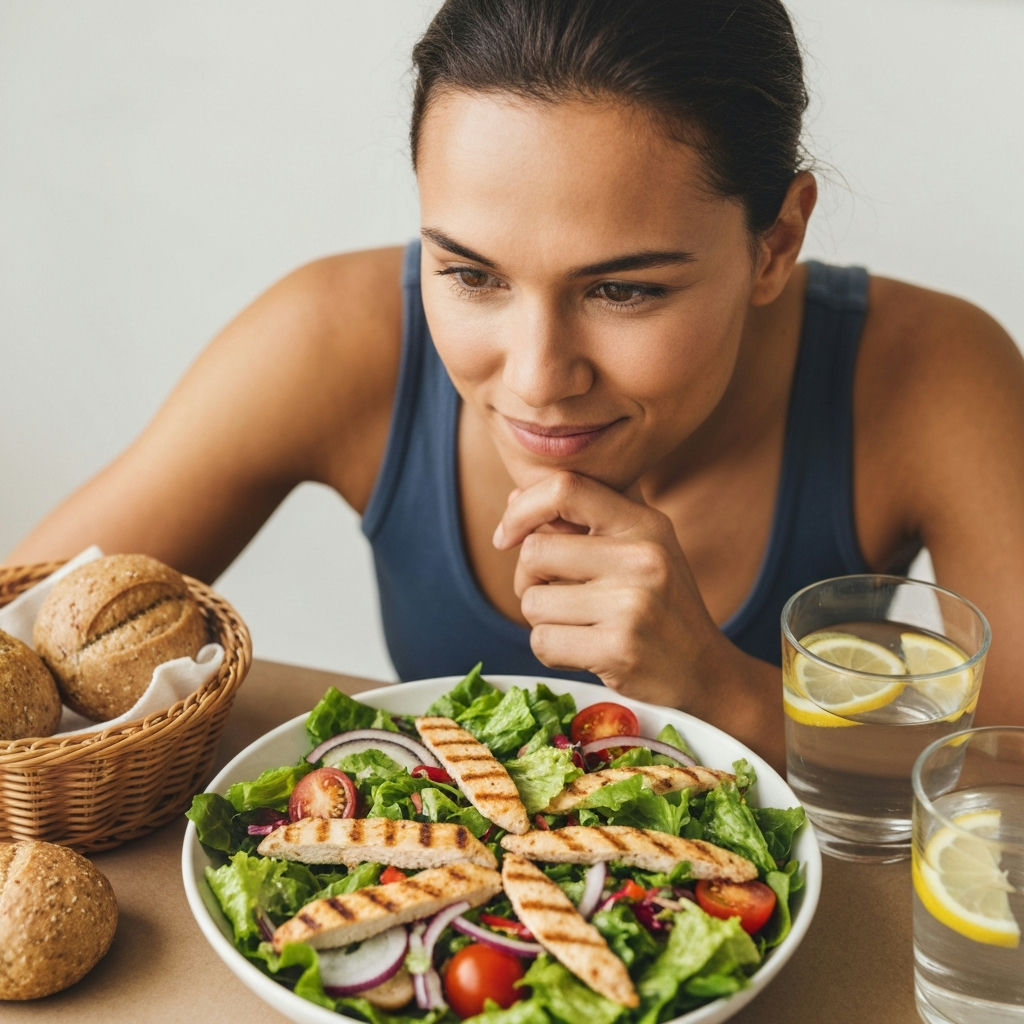
Texas Roadhouse Nutrition for Weight Loss 2026
The aroma of peanuts, the sizzle of steaks, and the promise of a hearty meal – Texas Roadhouse is a beloved American dining destination. For many, it conjures images of generous portions and indulgent flavors. However, for those on a weight loss journey, a visit to this popular steakhouse can feel like navigating a minefield. The good news is that with a strategic plan and informed choices, it is entirely possible to enjoy a meal at Texas Roadhouse while staying aligned with your health goals in 2026. This comprehensive guide explores the weight loss options available, how to make smarter menu selections, and practical tips for dining out while prioritizing your well-being.
Understanding the Nutritional Landscape at Texas Roadhouse
Texas Roadhouse is known for its made-from-scratch approach, which can be a double-edged sword for weight management. While fresh ingredients are a plus, the emphasis on rich flavors, generous portions, and classic American comfort food often translates to higher calorie, fat, and sodium counts. Understanding the typical nutritional profile of their menu items is the first step toward making informed decisions.
Many popular Texas Roadhouse dishes, such as their steaks, ribs, and fried appetizers, are calorie-dense. For instance, a standard 8-ounce sirloin steak can range from 500-700 calories, depending on preparation. Add to that butter, sauces, and side dishes, and the total meal can easily exceed 1000 calories. Fried items, like the Cactus Blossom or Fried Pickles, are typically high in fat and calories due to the breading and deep-frying process. Even seemingly healthy options can pack a hidden calorie punch if not ordered carefully.
The restaurant’s commitment to “legendary food, legendary service” often means larger-than-average serving sizes. A typical steakhouse portion might be significantly more than what is recommended for a single meal in a weight loss plan. Furthermore, the prevalence of high-sodium ingredients, from marinades to seasoning blends, can contribute to water retention, which might temporarily affect the number on the scale.
However, it’s not all doom and gloom. Texas Roadhouse does offer ways to customize meals and choose lighter options. By understanding the core components of their menu and applying smart ordering tactics, individuals can significantly reduce the calorie and fat content of their meals. The key lies in preparation methods, portion control, and strategic side dish selection.
Making Smart Appetizer Choices
Appetizers are often the first hurdle when dining out, and Texas Roadhouse is no exception. The allure of shareable, fried, and cheesy starters is strong. However, these are typically the highest in calories and fat.
Lower-Calorie Appetizer Alternatives
Instead of opting for classics like the Cactus Blossom or Fried Pickles, consider these lighter alternatives:
- Rattlesnake Bites: While fried, these cheese-filled jalapeños can be a slightly better option than other fried appetizers if portioned carefully. However, they are still high in calories and fat.
- Grilled Shrimp: This is often one of the leanest appetizer choices. Grilled shrimp, when not smothered in heavy sauces or butter, provides protein with minimal fat. Ask for it with lemon and no added butter or sauce.
- Salads: A side salad with a vinaigrette dressing can be a good starter. Be mindful of toppings like cheese, croutons, and creamy dressings, which can significantly increase the calorie count. Opt for grilled chicken or shrimp as a protein addition if desired, but be aware of the total meal calorie impact.
When ordering, always ask about preparation methods. Grilled or steamed options are almost always preferable to fried. Request sauces and dressings on the side so you can control the amount used.
Navigating Steak and Entree Selections
The centerpiece of any Texas Roadhouse meal is often the steak. While steak can be a good source of protein, the cut, size, and preparation method dramatically impact its nutritional value.
Choosing Leaner Cuts of Meat
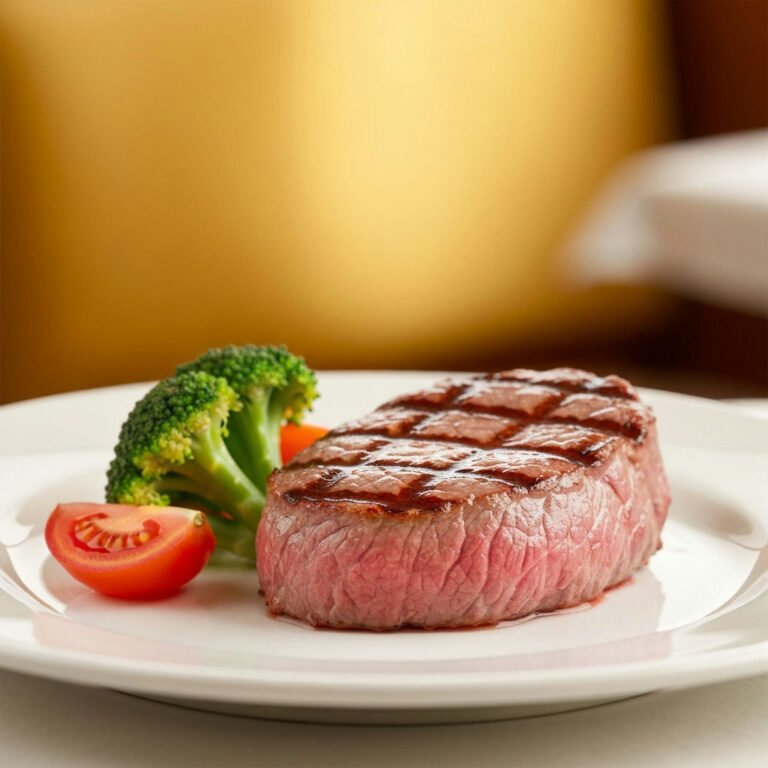
- Sirloin: A 6-ounce sirloin steak is a relatively lean choice, offering a good amount of protein with moderate fat. Opt for the smaller 6-ounce portion over larger cuts like the 12-ounce or 16-ounce options.
- Filet: While often perceived as lean, filet mignon can be higher in fat than sirloin depending on the marbling. Its tenderness comes from fat content.
- Ribeye and Dallas Filet: These cuts are generally higher in fat and calories due to their marbling. They are best avoided if weight loss is the primary goal.
Preparation Methods Matter
The way your steak is cooked is crucial.
- Grilled: This is the preferred method as it allows excess fat to drip away.
- Avoid: Fried steaks (like the Chicken Fried Steak), steaks topped with butter, heavy sauces (like peppercorn or mushroom sauce), or cheese are significantly higher in calories and fat.
If you crave a sauce, ask for a simple side of ketchup or mustard, or a small portion of a lighter sauce like their salsa if available. Avoid creamy or butter-based sauces.
Non-Steak Entree Options
For those looking beyond steak, other entrees require careful consideration:
- Grilled Chicken: A grilled chicken breast is a lean protein option. However, be mindful of marinades and toppings. Ask for it plain or with minimal seasoning.
- Ribs: Pork ribs are notoriously high in fat and calories, especially when coated in sweet, sticky barbecue sauce. These are generally not recommended for a weight loss-focused meal.
- Salmon: If available, grilled salmon can be a good choice, offering healthy omega-3 fatty acids. Ensure it’s grilled and not prepared with heavy sauces.
Strategic Side Dish Selection
The side dishes at Texas Roadhouse are a significant source of calories, fat, and sodium. Traditional choices like loaded baked potatoes, mac and cheese, mashed potatoes with gravy, and creamed spinach are calorie bombs.
Healthier Side Dish Swaps
Focus on vegetable-based sides prepared with minimal added fat:
- Steamed Vegetables: Ask for steamed broccoli, green beans, or corn. Be cautious of butter added to steamed vegetables; request them plain or with only a squeeze of lemon.
- Side Salad: As mentioned earlier, a side salad with vinaigrette is a good option. Load it with non-starchy vegetables.
Baked Potato (Plain): A plain baked potato is a source of complex carbohydrates. Crucially*, skip the butter, sour cream, cheese, and bacon bits. A small amount of salsa or a sprinkle of black pepper can add flavor.
- Sweet Potato (Plain): Similar to a baked potato, a plain sweet potato offers nutrients and fiber. Again, avoid toppings like butter, marshmallows, or caramel sauce.
Sides to Approach with Caution or Avoid
- Macaroni & Cheese: Extremely high in calories, fat, and sodium.
- Mashed Potatoes with Gravy: Gravy is often high in fat and sodium. Mashed potatoes themselves can be prepared with butter and cream.
- Creamed Corn/Spinach: Dairy and added fats make these calorie-dense.
- French Fries: Fried and high in fat and calories.
When in doubt, ask your server about the preparation of side dishes. They can often accommodate requests for steamed vegetables or plain baked items.
The Role of Texas Roadhouse Nutrition Calculator
For individuals serious about tracking their intake, the Texas Roadhouse Nutrition Calculator is an invaluable tool. This online resource provides detailed nutritional information for most menu items, allowing you to precisely calculate calories, fat, protein, carbohydrates, and sodium.
Using the calculator before you visit allows you to:
- Plan Your Meal: Select items that fit within your daily calorie and macronutrient targets.
- Compare Options: See how different choices stack up against each other nutritionally.
- Identify Hidden Calories: Understand where the bulk of calories and fat come from in specific dishes.
- Make Informed Swaps: Discover which modifications can save the most calories.
For example, you can compare an 8-ounce Sirloin with a side salad (vinaigrette) versus a 12-ounce Ribeye with mac and cheese. The difference in nutritional impact can be staggering, often thousands of calories and tens of grams of fat. Empowering yourself with this data is a cornerstone of successful dining out for weight loss.
Hydration and Beverage Choices
Beverages can add significant calories without providing much satiety. Sugary drinks are a common pitfall.
Recommended Beverage Options
- Water: The best choice. Stay hydrated and feel fuller by drinking plenty of water throughout your meal. Request lemon or lime wedges for flavor.
- Unsweetened Iced Tea: A calorie-free alternative to soda.
- Diet Soda: While calorie-free, some individuals prefer to limit artificial sweeteners. If it helps you avoid sugary drinks, it can be a viable option.
Beverages to Limit or Avoid
- Sweetened Iced Tea: Often loaded with sugar.
- Regular Soda: High in sugar and empty calories.
- Milkshakes and Frozen Drinks: Extremely high in sugar and calories.
- Alcohol: Alcohol contains calories and can lower inhibitions, potentially leading to poorer food choices. If consuming alcohol, do so in moderation and account for the extra calories.
Tips for Dining Out Successfully
Beyond menu choices, several behavioral strategies can help you stay on track at Texas Roadhouse.
Portion Control Strategies
- Ask for a To-Go Box Immediately: When your meal arrives, immediately box up half of it to take home. This ensures you only eat a sensible portion for your meal.
- Order Smaller Portions: Choose the smallest available steak or entree size.
- Share Entrees: If dining with a companion, consider sharing a larger entree and ordering an extra healthy side dish.
Mindful Eating Practices
- Eat Slowly: Savor your food and pay attention to your body’s hunger and fullness cues. It takes about 20 minutes for your brain to register that you are full.
- Avoid Eating While Distracted: Focus on your meal rather than engaging in intense conversations or constantly checking your phone.
- Listen to Your Body: Stop eating when you feel satisfied, not stuffed.
Navigating the Bread Basket
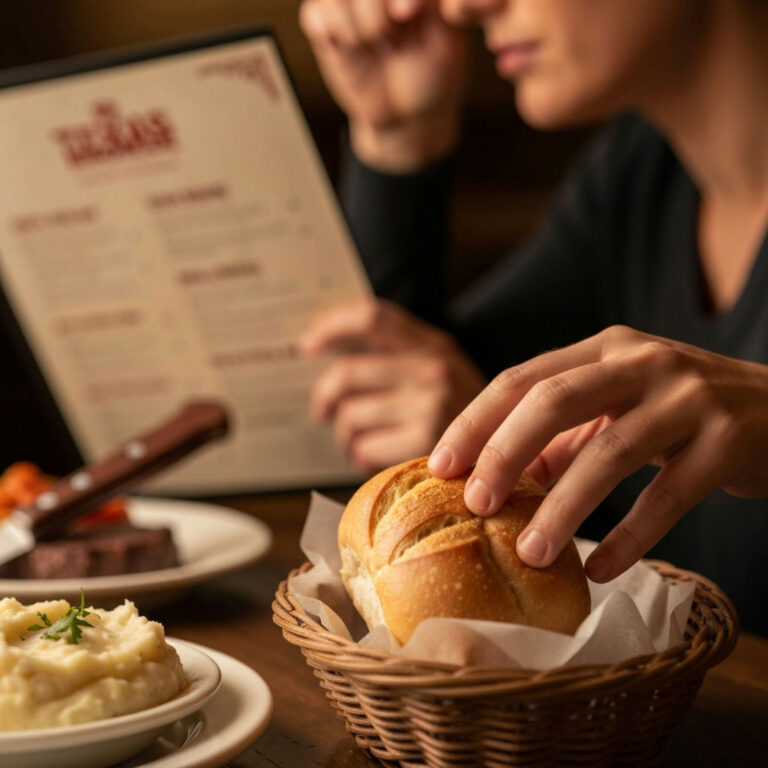
The warm, yeast rolls served with cinnamon butter are a signature Texas Roadhouse item and a major temptation.
- Limit or Skip: The rolls are high in refined carbohydrates and calories. If you must have one, consider it part of your meal’s carbohydrate allowance and skip other starchy sides. Avoid the cinnamon butter, which adds significant fat and sugar. A small amount of butter might be acceptable if carefully accounted for.
- Ask Them Not to Bring Rolls: If you know you have little self-control around them, simply ask your server not to bring the bread basket to your table.
Sample Weight-Loss Friendly Meal Combinations (2026)
Here are a few examples of how you might construct a meal at Texas Roadhouse that aligns with weight loss goals, keeping in mind that exact calorie counts will vary based on preparation and specific portion sizes. Always consult the Texas Roadhouse Nutrition Calculator for precise figures.
Option 1: Lean & Green
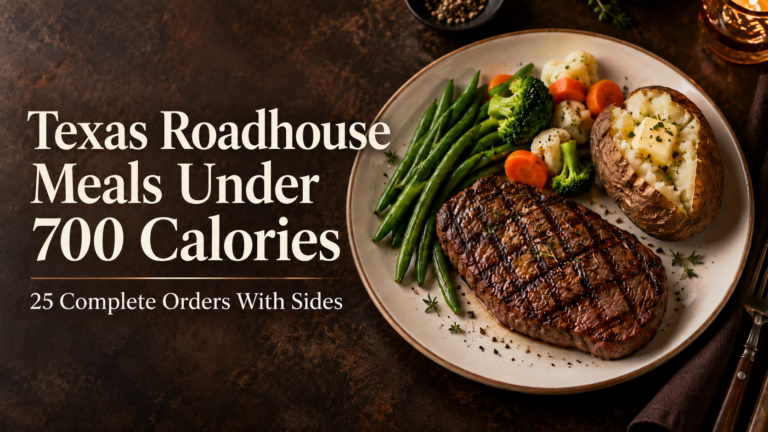
- Entree: 6-ounce Grilled Sirloin Steak (cooked plain, no butter)
- Side 1: Side Salad with Vinaigrette Dressing (dressing on the side)
- Side 2: Steamed Broccoli (no butter)
- Beverage: Water with Lemon
This meal focuses on lean protein and non-starchy vegetables, keeping calories, fat, and carbohydrates relatively low.
Option 2: Protein Power
- Entree: Grilled Chicken Breast (plain, minimal seasoning)
- Side 1: Baked Sweet Potato (plain, no toppings)
- Side 2: Green Beans (steamed, no butter)
- Beverage: Unsweetened Iced Tea
This option provides lean protein and complex carbohydrates from the sweet potato, along with fiber from the green beans.
Option 3: Lighter Seafood
- Appetizer (Optional): Grilled Shrimp (plain, lemon wedge)
- Entree: Grilled Salmon (if available, plain)
- Side 1: Side Salad with Vinaigrette Dressing (dressing on the side)
- Side 2: Steamed Vegetables (broccoli or green beans, no butter)
- Beverage: Water
This combination offers healthy fats from the salmon (if chosen) and lean protein, with plenty of vegetables.
Considerations for Specific Diets
While Texas Roadhouse isn’t designed for highly restrictive diets, some modifications can cater to common eating patterns.
Low-Carbohydrate Choices
For those following a low-carb diet, the focus should be on protein and non-starchy vegetables.
- Entrees: Opt for grilled steaks, chicken, or salmon. Ensure they are prepared without sugary marinades or sauces.
- Sides: Prioritize side salads (no croutons, light dressing), steamed non-starchy vegetables (broccoli, green beans), and skip all potatoes, rice, mac and cheese, and bread.
- Avoid: Rolls, sweet potatoes, corn, and any dishes with heavy sauces or breading.
High-Protein Choices
This is generally the easiest diet to accommodate at Texas Roadhouse due to the prevalence of steak and chicken.
- Maximize Protein: Choose larger portions of grilled steaks, chicken breasts, or seafood.
- Pair with: Protein-rich sides like a side salad with grilled chicken or shrimp added.
- Be Mindful: While high in protein, some entrees can also be very high in fat. Choose leaner cuts and preparation methods.
The Psychological Aspect of Dining Out
Dining out can be a social event and a break from routine. For individuals on a weight loss journey, it can also trigger feelings of deprivation or anxiety.
- View it as an Occasion: Instead of seeing a meal out as a “cheat meal,” view it as a planned, balanced meal within your overall eating plan. This reduces feelings of guilt.
- Focus on Enjoyment: Choose a meal you will genuinely enjoy, even if it’s not the absolute lowest in calories. A sustainable plan allows for occasional treats or restaurant meals.
- Plan Ahead: Knowing your options beforehand reduces impulsive, less healthy choices made in the moment.
Conclusion: Strategizing for Success
Texas Roadhouse, with its hearty menu, presents challenges for weight loss, but it doesn’t have to derail your progress in 2026. By understanding the nutritional components of the menu, utilizing resources like the Texas Roadhouse Nutrition Calculator, and employing smart ordering strategies, you can make choices that support your health goals. Prioritize lean proteins, non-starchy vegetables, and mindful preparation methods. Limit high-calorie appetizers, rich sides, and sugary beverages. Remember that portion control and mindful eating are as important as the food choices themselves. With careful planning and informed decisions, you can enjoy a satisfying meal at Texas Roadhouse while staying committed to your weight loss journey.
Frequently Asked Questions
What are the lowest-calorie entrees at Texas Roadhouse?
The lowest-calorie entrees at Texas Roadhouse typically include grilled chicken breasts and smaller portions of lean steaks like the 6-ounce Sirloin. Opting for grilled preparations and requesting no added butter or sauces is crucial. Always verify current nutritional information using the restaurant’s online calculator, as preparation and portion sizes can vary.
Can I eat Texas Roadhouse rolls while trying to lose weight?
Eating Texas Roadhouse rolls while trying to lose weight is generally discouraged due to their high content of refined carbohydrates, calories, and the added fat from cinnamon butter. If you choose to have a roll, consider it a significant portion of your meal’s carbohydrate and calorie budget, and skip other starchy sides. Asking for the bread basket not to be brought to the table is also an effective strategy.
What are the best side dish options for weight loss at Texas Roadhouse?
The best side dish options for weight loss at Texas Roadhouse are typically steamed vegetables (like broccoli or green beans, requested without butter), a side salad with vinaigrette dressing (dressing on the side), or a plain baked potato or sweet potato (without toppings like butter, sour cream, or cheese). These choices offer fiber and nutrients with fewer calories and less fat compared to options like mac and cheese or mashed potatoes.
How can I make my steak order healthier at Texas Roadhouse?
To make your steak order healthier at Texas Roadhouse, choose leaner cuts such as Sirloin or Filet Mignon in smaller portions (e.g., 6 ounces). Select grilled as your cooking method and request no added butter or heavy sauces. Pair your steak with lighter sides like steamed vegetables or a side salad. Avoid high-fat cuts like Ribeye and preparations like chicken-fried steak.
Is it possible to find vegetarian or vegan options for weight loss at Texas Roadhouse?
Finding strictly vegetarian or vegan options that are also low in calories at Texas Roadhouse can be challenging, as many dishes are meat-centric and sides often contain dairy or butter. However, a plain baked potato or sweet potato, steamed vegetables (ensure no butter is added), and a side salad with a vinaigrette dressing are potentially vegetarian and can be part of a weight loss plan. Some grilled vegetable skewers might be available, but always confirm ingredients and preparation methods with your server.