
Healthy Texas Roadhouse Choices in 2026
Texas Roadhouse, a beloved American steakhouse chain, is renowned for its lively atmosphere, hand-cut steaks, and bottomless peanuts. For many, it’s a go-to spot for a hearty, satisfying meal. However, for those conscious of their dietary choices, the question often arises: can you eat healthy at Texas Roadhouse? The answer, perhaps surprisingly, is yes. While the menu leans towards indulgent, classic American fare, strategic ordering and informed choices can lead to surprisingly nutritious outcomes.
In 2026, with a growing emphasis on wellness and personalized nutrition, diners are increasingly seeking ways to enjoy popular dining experiences without derailing their health goals. Texas Roadhouse, like many large restaurant chains, is adapting to this trend, and understanding how to navigate its extensive menu is key. This guide will delve into the strategies, specific menu items, and preparation methods that can help you make healthier choices at this iconic establishment. We’ll explore how to manage calories, fat, sodium, and carbohydrate intake while still enjoying the signature Texas Roadhouse experience.
Understanding the Texas Roadhouse Menu: A Nutritional Landscape
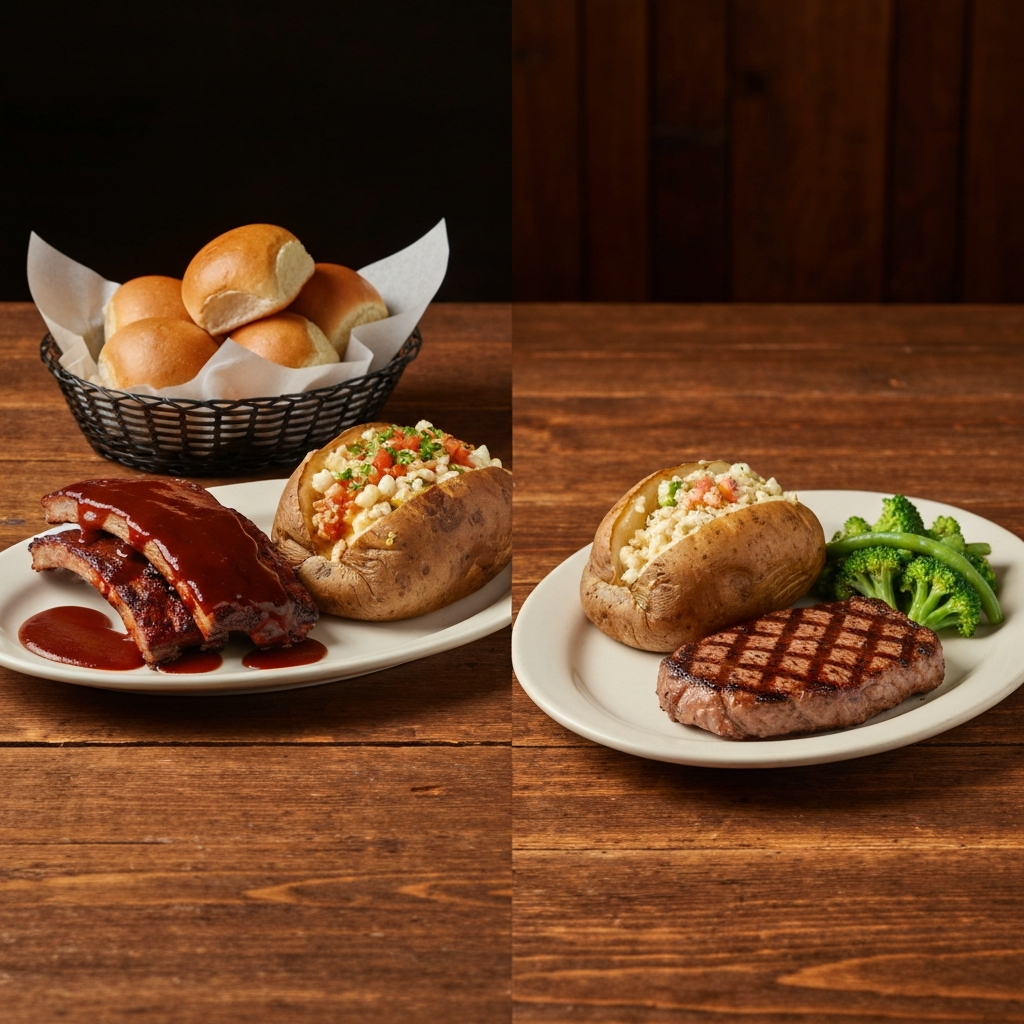
The Texas Roadhouse menu is a celebration of classic American comfort food. It features a wide array of steaks, ribs, chicken, seafood, burgers, sandwiches, and a generous selection of sides. The inherent nature of many of these dishes involves richer preparation methods, such as frying, sautéing in butter, and generous seasoning. This means that many standard orders can quickly accumulate significant calories, saturated fat, sodium, and carbohydrates.
For instance, a typical “Fall-Off-The-Bone” Ribs entree, while delicious, is prepared with a sweet, sticky BBQ sauce and often served with high-calorie sides like mashed potatoes and loaded baked potatoes. Similarly, their fried chicken options, popular as they are, contribute substantial amounts of fat and calories due to the breading and frying process. Even seemingly simple items like dinner rolls, served warm and often with cinnamon butter, can add up quickly.
However, Texas Roadhouse also offers grilled and baked options, as well as a variety of vegetable-based sides. The key to eating healthy lies in identifying these options and making informed substitutions and modifications. The restaurant also provides nutrition information, often accessible through their website or in-restaurant materials, which is an invaluable tool for diners looking to track their intake. Utilizing the Texas Roadhouse Nutrition Calculator can empower you to make precise selections based on your dietary needs.
Strategic Ordering: Your Blueprint for Healthier Texas Roadhouse Meals
Making healthy choices at Texas Roadhouse isn’t about deprivation; it’s about smart selection and customization. Here’s a strategic approach to navigate the menu:
- Prioritize Grilled and Baked Proteins: Steer clear of fried items. Opt for grilled chicken, fish (like salmon or tilapia), or lean cuts of steak. When choosing steak, consider options like the Sirloin or Filet, and ask for it to be prepared with minimal added butter or oil.
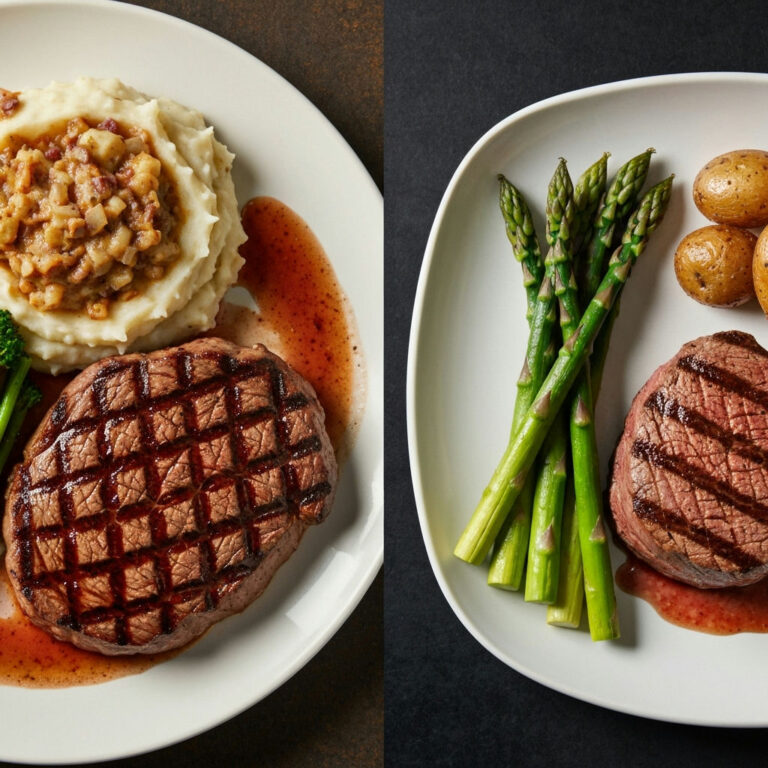
- Mind Your Sides: This is often where hidden calories and unhealthy fats lurk. Instead of creamy mashed potatoes, loaded baked potatoes, or fries, choose steamed vegetables, a side salad with a light vinaigrette, green beans, or corn on the cob (without butter).
- Control Portions: Restaurant portions are often larger than standard serving sizes. Consider ordering a smaller entree, or plan to share an entree or take half home for another meal.
- Sauces and Dressings: Be wary of creamy sauces, gravies, and dressings. Opt for lighter vinaigrettes for salads, ask for sauces and dressings on the side, or choose simpler preparations like lemon and herbs for fish or chicken. BBQ sauces, while flavorful, can be high in sugar and sodium.
- Appetizers and Starters: Many popular appetizers are fried or cheese-heavy. If you’re looking for a starter, consider a side salad, steamed mushrooms, or a baked potato without toppings. Skip the loaded fries, onion rings, and cheese-laden appetizers.
- Beverages: Stick to water, unsweetened iced tea, or diet sodas to avoid empty calories from sugary drinks.
By applying these principles, you can significantly reduce the caloric and fat content of your meal while maximizing nutritional value.
Healthiest Entree Choices at Texas Roadhouse
When it comes to the main course, Texas Roadhouse offers several options that can fit into a healthier eating plan. The focus should always be on lean proteins and simpler preparation methods.
Grilled Chicken Creations
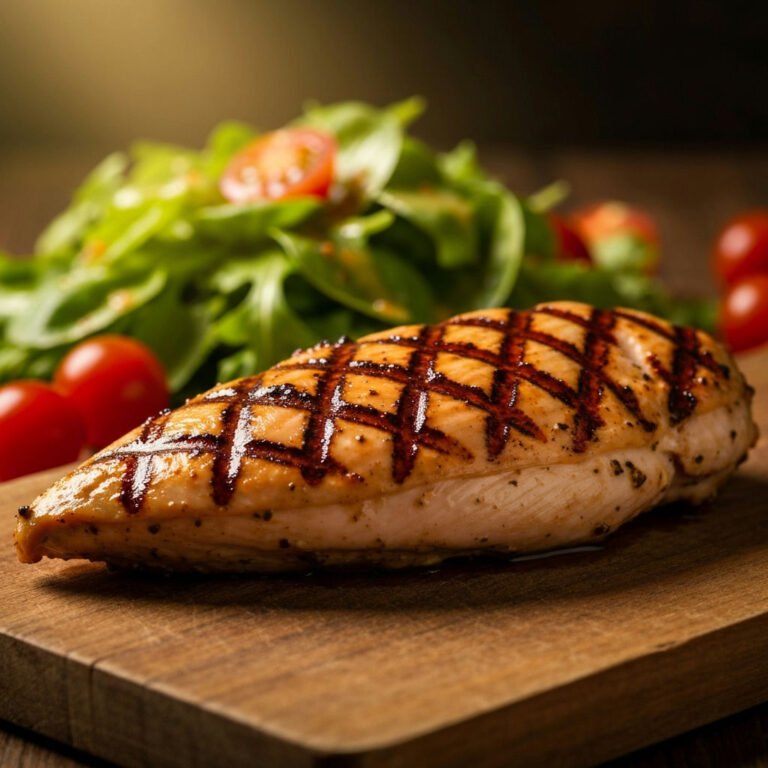
The Grilled Chicken entree is a solid choice. It typically features a marinated, grilled chicken breast. To keep it healthy, request it without any added butter or sauces.
- Preparation: Grilled
- Typical Protein: Chicken Breast
- Healthy Modifications: Ask for no butter or sauce. Pair with steamed vegetables or a side salad with vinaigrette.
- Nutritional Benefit: Provides lean protein, which is essential for muscle repair and satiety.
Salmon and Other Fish Options
Seafood, particularly fish like salmon, is an excellent source of lean protein and beneficial omega-3 fatty acids. Texas Roadhouse often offers Grilled Salmon.
- Preparation: Grilled
- Typical Protein: Salmon Fillet
- Healthy Modifications: Request lemon wedges and herbs instead of buttery sauces. Ensure it’s not pan-fried in excessive oil.
- Nutritional Benefit: Rich in omega-3 fatty acids, which support heart and brain health. Also a good source of protein.
Leaner Steak Cuts
While steak is a hallmark of Texas Roadhouse, not all cuts are created equal. Choosing leaner options and being mindful of preparation can make a difference.
- Sirloin Steak: Often a leaner choice compared to ribeye or T-bone steaks.
- Preparation: Grilled
- Healthy Modifications: Order it grilled, ask for no added butter, and consider a smaller portion size.
- Filet Mignon: While it can be richer due to its tenderness, it is generally a leaner cut.
- Preparation: Grilled or Pan-Seared
- Healthy Modifications: Similar to the sirloin, request minimal butter or oil during preparation.
It’s crucial to remember that even lean steaks, when served with high-calorie sides and appetizers, can contribute to an unhealthy meal. The overall composition of your plate matters significantly.
Smart Side Dish Selections
The sides at Texas Roadhouse are a critical component of any meal and present the biggest opportunity for making healthier choices or falling into calorie traps.
Recommended Healthier Sides
Steamed Vegetables: Often a rotating selection, these are typically prepared simply and are a great source of fiber and vitamins. Request them without* butter or seasoning salts if possible.
Side Salad: A good option, but critical* to manage the dressing. Ask for vinaigrette or oil and vinegar on the side, and use sparingly. Avoid creamy dressings like ranch or blue cheese.
- Green Beans: Typically seasoned with bacon, which adds fat and sodium. You can ask for them to be prepared with less bacon or without it altogether. They remain a good source of fiber and vitamins.
- Corn on the Cob: A whole grain option that provides fiber. Be mindful of butter added, and opt for minimal or no butter.
Baked Potato (Plain): A good source of potassium and fiber. Crucially*, avoid toppings like butter, sour cream, cheese, and bacon bits. Opt for a small amount of salsa or a sprinkle of black pepper if desired.
Sides to Approach with Caution (or Avoid)
- Mashed Potatoes: Often prepared with butter, cream, and milk, making them high in calories and fat.
- Sweet Potato (with toppings): While sweet potatoes are nutritious, the typical toppings of butter, marshmallows, and caramel add significant sugar and calories. If ordering, ask for it plain.
- Macaroni & Cheese: A high-carbohydrate, high-fat, and high-sodium choice.
- Seasoned Rice: Can be high in sodium depending on preparation.
- Fries and Onion Rings: Fried, high in fat and carbohydrates.
The Texas Roadhouse Nutrition Calculator is your best friend when it comes to understanding the precise impact of side choices.
Nutritional Considerations: Calories, Fat, Sodium, and Sugar
When aiming for a healthy meal at Texas Roadhouse, it’s helpful to be aware of the primary nutritional components to watch out for:
- Calories: Many entrees and sides can easily exceed 1000 calories. Opting for grilled chicken or fish and focusing on vegetable sides can significantly reduce calorie intake. A typical healthy entree at Texas Roadhouse might aim for 500-700 calories.
- Fat (especially Saturated Fat): Fried foods, fatty cuts of meat, butter, and creamy sauces are major contributors. Choosing leaner proteins and avoiding fried options is key. Opting for preparations with minimal added fat is crucial.
- Sodium: Restaurant food, in general, tends to be high in sodium due to preservation methods and seasoning. Steer clear of heavily seasoned dishes, gravies, and sauces. Requesting dishes with less salt can help.
- Sugar: Many sauces, particularly BBQ and sweet glazes, are loaded with sugar. Be mindful of these, and opt for un-sauced preparations whenever possible.
According to the Centers for Disease Control and Prevention (CDC), the average American consumes too much sodium, saturated fat, and added sugars, all of which are prevalent in many restaurant meals 1. Making conscious choices at Texas Roadhouse can help mitigate this.
Healthy Appetizer and Dessert Alternatives
The beginning and end of a meal can also be opportunities to make healthier choices.
Lighter Appetizer Options
While many appetizers are designed for sharing and indulgence, some can be chosen more mindfully:
- Rancher’s Pick Salad: A simple green salad with your choice of dressing (on the side).
- Grilled Shrimp: A protein-rich starter, often served with a lighter sauce. Ensure it’s grilled, not fried.
- Steakhouse Chili: Can be a reasonable choice if you’re looking for something warm and filling, but be mindful of sodium content.
Healthier Dessert Strategies
Desserts at Texas Roadhouse are famously decadent. If you’re craving something sweet:
- Share a Dessert: Splitting a dessert among friends can significantly reduce your personal portion and calorie intake.
- Opt for Fruit: If available, a simple fruit option is the healthiest choice.
- Coffee or Tea: A calorie-free way to end the meal.
Customizing Your Meal for Health
Don’t hesitate to ask for modifications. Restaurant kitchens are accustomed to special requests.
- “No Butter, Please”: This simple request can save a surprising number of calories and fat, especially on steaks and vegetables.
- Sauce/Dressing on the Side: This allows you to control the amount you use.
- Steamed Instead of Sautéed: If a vegetable is typically sautéed in butter, ask if it can be steamed.
- Leaner Protein Preparation: Ask if chicken or fish can be grilled or baked rather than fried.
The Texas Roadhouse Nutrition Calculator can help you visualize the impact of these customizations.
The Role of Moderation and Mindful Eating
Even with the healthiest choices, moderation remains key. Texas Roadhouse is a place for enjoyment and indulgence. It doesn’t have to be an everyday meal, but when you choose to dine there, you can do so without completely abandoning your health goals.
Mindful eating involves paying attention to your hunger and fullness cues, savoring your food, and being present during your meal. This can help prevent overeating, even when faced with tempting options.
Texas Roadhouse and Dietary Needs
Beyond general healthy eating, Texas Roadhouse may accommodate other dietary needs with careful planning:
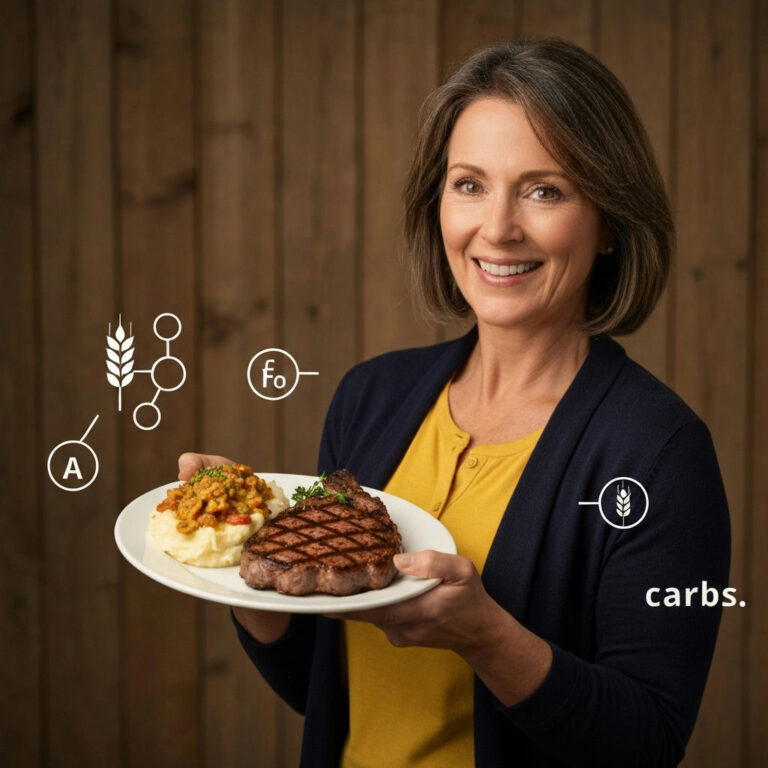
- Low-Carb: Focus on grilled steaks, chicken, or fish with non-starchy vegetable sides (green beans, side salad with vinaigrette). Avoid bread, potatoes, rice, and sweet glazes.
- Lower Sodium: Request grilled, unseasoned proteins and steamed vegetables. Ask for no added salt during preparation. Be aware that many pre-made sauces and seasonings are high in sodium.
- Gluten-Free: While Texas Roadhouse has a comprehensive allergy menu, navigating gluten-free options requires careful attention. Grilled meats and vegetables are often safe bets, but cross-contamination can be a concern. Always inform your server about severe allergies. Information is often available on their official nutrition page.
Making the Most of Your Visit
Before you even arrive at Texas Roadhouse, take a few minutes to browse the menu online and consult their nutrition information. This allows you to make informed decisions before being influenced by the bustling atmosphere and tempting aromas. Planning ahead is the most effective strategy for ensuring a healthy meal.
Remember that restaurant nutrition can vary slightly by location and preparation. However, by focusing on the core principles of lean proteins, smart sides, and mindful modifications, you can confidently enjoy a satisfying and healthier meal at Texas Roadhouse.
Conclusion
Texas Roadhouse offers a dining experience that balances hearty American classics with an atmosphere of fun and tradition. While it might not be the first place that comes to mind for a “diet” meal, it is indeed possible to make healthier choices. By understanding the menu, prioritizing grilled and baked options, selecting nutrient-dense sides, and not being afraid to customize your order, diners can navigate Texas Roadhouse successfully.
Leveraging resources like the Texas Roadhouse Nutrition Calculator empowers individuals to make informed decisions aligned with their personal health and wellness objectives. Whether you’re managing calorie intake, reducing fat and sodium, or following specific dietary guidelines, strategic ordering can ensure that a visit to Texas Roadhouse remains a treat that supports, rather than hinders, your healthy lifestyle. It’s about mindful consumption and making the best choices available within the context of a classic steakhouse experience.
Frequently Asked Questions
What are the healthiest protein options at Texas Roadhouse?
The healthiest protein options at Texas Roadhouse are typically grilled or baked items. These include grilled chicken breast and grilled salmon. For steak lovers, leaner cuts like the Sirloin or Filet Mignon, when prepared grilled with minimal added butter or oil, are also good choices. It is always advisable to ask for your protein preparation without added butter or rich sauces and to avoid fried protein options like fried chicken or shrimp.
Which side dishes are considered healthy at Texas Roadhouse?
Healthier side dish choices at Texas Roadhouse focus on vegetables and whole foods prepared simply. Recommended options include steamed vegetables (requesting no butter), a side salad with vinaigrette dressing served on the side, green beans (ask for less bacon or none), and a plain baked potato (avoiding toppings like butter, sour cream, cheese, and bacon). These sides provide fiber, vitamins, and minerals without excessive calories or unhealthy fats.
How can I reduce calories and fat in my Texas Roadhouse meal?
To reduce calories and fat, prioritize grilled over fried items. Choose lean protein cuts and ask for them prepared with minimal butter or oil. For sides, select vegetable options or a plain baked potato instead of mashed potatoes, fries, or mac & cheese. Be very cautious with sauces and dressings; always ask for them on the side and use them sparingly. Opting for water or unsweetened beverages instead of sugary drinks also significantly cuts calories.
Are there low-carb options available at Texas Roadhouse?
Yes, Texas Roadhouse offers several low-carb options. Focus on grilled steaks, chicken, or fish as your main protein. Pair these with non-starchy vegetable sides such as steamed vegetables, a side salad with vinaigrette dressing (on the side), or green beans (ensure minimal bacon). It is essential to avoid bread, rolls, potatoes, rice, corn, and any dishes with sweet glazes or sauces, as these are high in carbohydrates.
Can I get a meal under 700 calories at Texas Roadhouse?
Yes, it is possible to have a meal under 700 calories at Texas Roadhouse by making smart choices. For example, a grilled chicken breast (around 300-350 calories) with a side of steamed vegetables (around 50-100 calories) and a small side salad with vinaigrette (around 100-150 calories) would likely fall within this range. Even a leaner steak like a 6oz Sirloin (around 350-400 calories) paired with steamed vegetables can keep your meal under 700 calories, depending on preparation. Always consult the Texas Roadhouse Nutrition Calculator for precise figures.
What are the main pitfalls to avoid when trying to eat healthy at Texas Roadhouse?
The primary pitfalls to avoid are fried appetizers and entrees, high-calorie sides like mashed potatoes and mac & cheese, creamy sauces and dressings, and sugary beverages. The complimentary ranch-seasoned peanuts and dinner rolls with cinnamon butter can also add significant hidden calories and sodium if consumed in large quantities. Being mindful of portion sizes, especially with appetizers and shared entrees, is also crucial.