
Texas Roadhouse Diabetic Meals 2026
Think managing diabetes means sacrificing flavor and fun dining experiences? Think again! Texas Roadhouse, a beloved American steakhouse chain, offers a surprising array of choices that can fit into a diabetic-friendly meal plan, challenging the notion that restaurant dining is off-limits for those monitoring their blood sugar. While famous for its legendary peanuts and buttery rolls, a closer look at the Texas Roadhouse menu reveals opportunities for delicious, satisfying meals that prioritize blood glucose control. This guide explores how to navigate the Texas Roadhouse offerings, empowering individuals with diabetes to enjoy a night out without compromising their health goals. We’ll delve into smart ordering strategies, highlight specific menu items, and provide actionable tips for making informed decisions.
The key to enjoying Texas Roadhouse with diabetes lies in understanding macronutrient balance, portion control, and preparation methods. Diabetes management often involves carefully monitoring carbohydrate intake, choosing lean proteins, and incorporating healthy fats and fiber. Fortunately, many Texas Roadhouse dishes can be customized or selected to align with these principles. By focusing on grilled proteins, selecting non-starchy vegetables, and being mindful of sauces and dressings, diners can curate meals that are both enjoyable and supportive of stable blood sugar levels. This approach allows for flexibility and personalization, proving that a hearty steakhouse experience is achievable for everyone.
Understanding the Challenges of Dining Out with Diabetes
Dining out presents unique challenges for individuals managing diabetes. Restaurants often use larger portion sizes, employ cooking methods that add extra fats and sodium, and offer tempting, high-carbohydrate sides and appetizers. Sauces, marinades, and dressings can be hidden sources of sugar and unhealthy fats, significantly impacting blood glucose levels. Furthermore, the sheer variety of menu options can make it difficult to estimate the nutritional content of a meal.
The American Diabetes Association (ADA) emphasizes the importance of consistency in meal timing and composition for diabetes management. When eating at a restaurant, it can be harder to control these factors. Unpredictable ingredient preparation and the pressure to make quick decisions can lead to choices that may not be ideal for blood sugar control. For example, a seemingly simple grilled chicken breast might be coated in a sugary glaze, or a side salad could be drowned in a creamy, high-calorie dressing. Awareness of these potential pitfalls is the first step toward making healthier choices.
Texas Roadhouse Menu Decoding for Diabetics
Navigating the Texas Roadhouse menu requires a strategic approach. The restaurant’s commitment to generous portions and classic American comfort food means that careful selection is paramount. Instead of focusing on what to avoid, it’s more productive to identify how to adapt and which options naturally align with a diabetic eating pattern. This involves understanding the core components of their dishes and making informed substitutions or omissions.
The foundation of a diabetic-friendly meal at Texas Roadhouse typically involves lean protein, non-starchy vegetables, and controlled carbohydrate portions. By prioritizing these elements, individuals can build a satisfying meal that supports their health objectives. The restaurant’s commitment to fresh ingredients and customizable options makes this achievable.
Protein Choices: Lean and Flavorful
Proteins are essential for satiety and do not directly raise blood sugar levels. At Texas Roadhouse, the focus is often on beef, but other options are available.
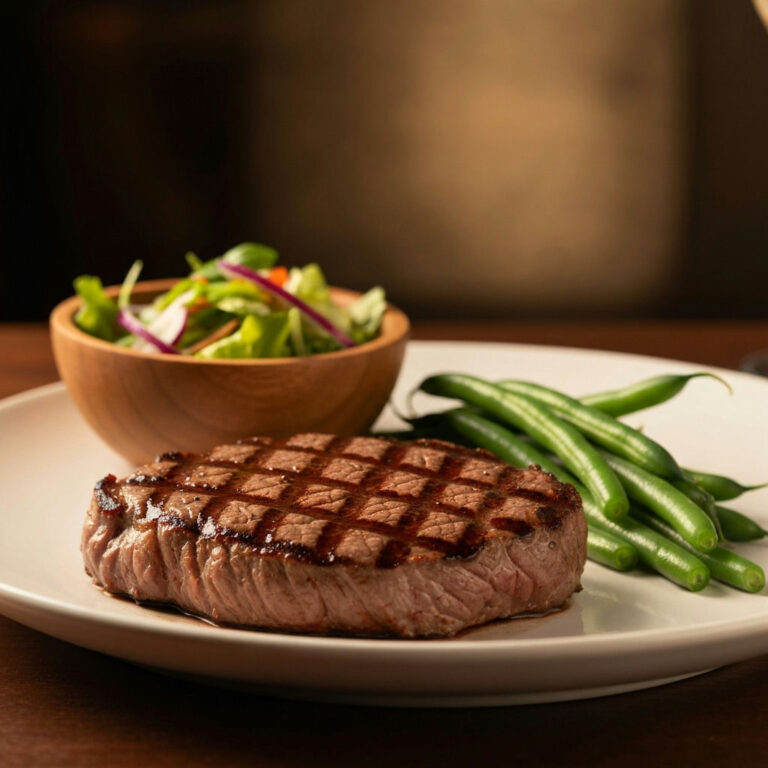
Steaks: Opt for leaner cuts like the Sirloin. While ribeyes and strip steaks are delicious, they tend to be higher in saturated fat. When ordering steak, request it plain grilled or seasoned simply* without any added sauces or glazes, unless you can confirm they are sugar-free.
- Grilled Chicken: The Grilled Chicken Critters or a Grilled Chicken Breast entree can be excellent choices. Ensure they are prepared without a sweet marinade or sauce. Ask for seasoning only.
- Ribs: While tempting, the Fall-Off-The-Bone Ribs are typically coated in a sweet barbecue sauce. This option is generally not recommended for strict diabetic management due to the high sugar content.
- Fish: The Grilled Salmon is a fantastic source of omega-3 fatty acids and a good protein choice. Again, ensure it’s grilled with simple seasoning rather than a glaze.
When selecting your protein, consider the cooking method. Grilling, broiling, and baking are preferred over frying. Texas Roadhouse excels at grilling, making it a reliable cooking technique to look for on their menu.
Sides Selection: Navigating Carbs and Veggies
The sides menu is where careful choices become critical. Many classic steakhouse sides are high in carbohydrates or unhealthy fats.
- Recommended Vegetable Sides:
Steamed Vegetables: This is often the best choice. Ask for a mix of non-starchy vegetables like broccoli, carrots, and green beans. Ensure they are steamed plain*, without butter or sauce.
Side Salad: A great option, but be cautious with the dressing. Opt for a vinaigrette or oil and vinegar* dressing on the side, allowing you to control the amount used. Avoid creamy dressings like ranch or blue cheese. Ask for no croutons.
- Green Beans: If prepared simply (steamed or sautéed with minimal oil and seasoning), they can be a good choice. Inquire about preparation to avoid added sugars or excessive fats.
- Sides to Limit or Avoid:
- Mashed Potatoes: High in carbohydrates.
- Baked Potato: While the potato itself is a carbohydrate, the toppings (butter, sour cream, cheese, bacon bits) can add significant calories, fat, and sodium. If you choose a baked potato, opt for minimal toppings like a small amount of plain sour cream or chives.
- Sweet Potato: Contains natural sugars and carbohydrates. If ordered, skip the marshmallows and excessive butter/cinnamon sugar toppings.
- Corn: A starchy vegetable, higher in carbohydrates than green beans or broccoli.
- Rice: Typically white rice, which is a refined carbohydrate.
- Seasoned Fries: Fried and often coated in seasoning that can add sodium and sometimes sugar.
- Chili: Can be high in sodium and sometimes contains added sugars.
The strategy here is to prioritize non-starchy vegetables and ask for preparation methods that minimize added fats, sugars, and sodium.
Appetizers and Starters: Mindful Beginnings
Appetizers can be a minefield for blood sugar management. Many are fried, breaded, or high in carbohydrates.
- Best Bets:
- House Salad: As mentioned, ordered with dressing on the side and no croutons.
- Grilled Shrimp: A good protein starter, ensuring it’s grilled simply.
- Appetizers to Approach with Caution:
- Rattlesnake Bites: Fried and breaded, these are typically high in carbohydrates and fat.
- Tater Skins: Fried and often loaded with cheese and bacon.
- Onion Blossom: Deep-fried and served with a dipping sauce, this is a high-calorie, high-carbohydrate choice.
- Wings: Often coated in sweet or savory sauces that can impact blood sugar.
If you choose an appetizer, consider it part of your meal and adjust your main course accordingly. Sharing an appetizer can also help manage portion sizes.
Bread and Peanuts: The Texas Roadhouse Signature Dilemma
The iconic baskets of warm, buttery rolls and bowls of salted peanuts are synonymous with Texas Roadhouse. For individuals managing diabetes, these are often best enjoyed in very limited quantities, or ideally, skipped altogether.
- Peanuts: While peanuts do contain healthy fats and protein, the salted variety served at Texas Roadhouse can be high in sodium. A small, controlled portion might be acceptable for some, but moderation is key. Be mindful that “a handful” can quickly turn into several.
- Rolls: These are essentially refined carbohydrates with added sugar and fat. Consuming even one or two rolls can significantly impact blood glucose levels. For most individuals with diabetes, it is advisable to skip the rolls or limit to a tiny portion of one.
It’s important to recognize that these signature items, while delicious, are often the biggest contributors to uncontrolled carbohydrate intake at Texas Roadhouse.
Strategic Ordering for Blood Sugar Control
Making diabetic-friendly choices at Texas Roadhouse involves more than just picking the “right” items; it’s about how you order them. Don’t hesitate to communicate your needs to your server. Most restaurants are accommodating, especially when it comes to dietary restrictions.
Communication is Key
- Inform your server: Let your server know you are looking for healthier options or need to manage your carbohydrate intake. They can often suggest suitable dishes or modifications.
- Ask specific questions:
- “How is the chicken marinated/seasoned?”
- “Can I have the vegetables steamed without butter?”
- “Is the dressing for the salad a vinaigrette or creamy?”
- “Can I substitute [high-carb side] for a side salad or steamed vegetables?”
- Request sauces and dressings on the side: This allows you to control the amount used, preventing an overload of sugar or fat.
Portion Control Strategies
Texas Roadhouse is known for its generous portions. Managing portion sizes is crucial for diabetes management.
- Choose smaller entrees: Consider ordering a lunch portion or an entree that naturally comes with smaller servings.
- Share entrees: If dining with others, consider sharing an entree and ordering extra vegetable sides.
- Take leftovers home: Don’t feel obligated to finish everything on your plate. Pack up half your meal before you start eating to ensure a controlled portion.
Customization is Your Friend
Don’t be afraid to ask for modifications.
- Substitute sides: This is one of the easiest ways to make a meal more diabetic-friendly. Swap fries or mashed potatoes for steamed vegetables or a side salad.
- Omit toppings: Ask for no butter on your baked potato, no cheese on your salad, etc.
- Sauce management: Requesting sauces on the side is a game-changer. You can use just a small amount for flavor.
Specific Diabetic-Friendly Meal Combinations
Based on the principles above, here are some examples of potentially diabetic-friendly meal combinations at Texas Roadhouse. Remember that individual needs vary, and it’s always best to consult with a healthcare provider or registered dietitian for personalized advice.
Option 1: Lean Steak Lover
- Entree: 8 oz. Sirloin Steak, plain grilled with simple seasoning.
- Side 1: Side Salad with vinaigrette dressing on the side.
- Side 2: Steamed Vegetables (broccoli, carrots, green beans) prepared plain.
- Avoid: Rolls, peanuts, creamy dressings, buttered vegetables.
Option 2: Grilled Chicken Delight
- Entree: Grilled Chicken Breast entree, seasoned simply.
- Side 1: Side Salad with vinaigrette dressing on the side.
- Side 2: Green Beans, prepared simply (steamed or lightly sautéed).
- Avoid: Rolls, peanuts, creamy dressings, other starchy sides.
Option 3: Salmon and Greens
- Entree: Grilled Salmon, seasoned simply.
- Side 1: Side Salad with vinaigrette dressing on the side.
- Side 2: Steamed Vegetables.
- Avoid: Rolls, peanuts, high-carb sides.
Option 4: Lighter Fare
- Appetizer: House Salad with vinaigrette on the side.
- Entree: Grilled Chicken Critters (ensure they are grilled, not breaded/fried if that option exists, or opt for plain grilled chicken).
- Side: Steamed Vegetables.
- Avoid: Rolls, peanuts, high-carb sides.
The Role of Texas Roadhouse Nutrition Calculator
Texas Roadhouse offers a valuable tool for those seeking detailed nutritional information: their Texas Roadhouse Nutrition Calculator. This online resource allows diners to build meals item by item and view the estimated calories, carbohydrates, fat, and protein content. Utilizing this calculator before your visit can help you plan a meal that aligns perfectly with your dietary goals and provides peace of mind. It empowers you with data to make informed choices, understanding the precise impact of different menu selections on your blood sugar.
Beyond the Main Meal: Drinks and Desserts
Don’t forget about beverages and desserts, which can also significantly affect blood glucose levels.
Beverage Choices
- Water: The best and most hydrating choice.
- Unsweetened Iced Tea: A refreshing, zero-calorie option.
- Diet Soda: Generally considered safe in moderation, but some individuals prefer to avoid artificial sweeteners.
- Avoid: Regular soda, sweetened iced tea, fruit juices, and sugary cocktails. These are packed with sugar and can cause rapid blood sugar spikes.
Dessert Considerations
Desserts at Texas Roadhouse are typically rich and decadent, making them challenging for diabetes management.
- Best Option: Skip dessert or share a very small portion of a less sweet item.
If you must indulge: Consider a small* coffee or tea. Some locations might offer fruit options, but these are rare in typical steakhouse dessert menus.
- Avoid: Cheesecakes, pies, ice cream sundaes, and anything described as “chocolate lava cake” or similar.
Lifestyle Considerations for Diabetics Dining Out
Dining out is just one piece of the diabetes management puzzle. Integrating these choices into a broader healthy lifestyle is crucial.
- Regular Physical Activity: Exercise helps improve insulin sensitivity and manage blood sugar levels. Aim for at least 150 minutes of moderate-intensity aerobic activity per week, as recommended by the U.S. Department of Health and Human Services.
- Medication Adherence: Continue taking prescribed diabetes medications or insulin as directed by your healthcare provider.
- Blood Glucose Monitoring: Regularly check your blood sugar levels before and after meals when dining out to understand how different foods affect you. This provides valuable feedback for future choices.
- Hydration: Drinking plenty of water throughout the day, especially when eating out, aids digestion and can help manage appetite.
- Mindful Eating: Pay attention to hunger and fullness cues. Eat slowly and savor your food, which can prevent overeating.
The Importance of Professional Guidance
It’s essential to remember that dietary recommendations for diabetes management are highly individualized. What works for one person may not work for another. Consulting with a healthcare professional, such as a doctor or a registered dietitian nutritionist (RDN), is paramount. They can help you:
- Understand your specific nutritional needs based on your type of diabetes, medications, activity level, and other health conditions.
- Develop a personalized meal plan that includes strategies for dining out.
- Interpret nutritional information and make informed choices.
- Monitor your progress and make adjustments as needed.
The Centers for Disease Control and Prevention (CDC) provides extensive resources on healthy eating for diabetes, emphasizing whole foods, balanced meals, and portion control.
Conclusion: Enjoying Texas Roadhouse with Diabetes is Possible
The idea that individuals with diabetes must forgo popular dining experiences like visiting Texas Roadhouse is a misconception. By employing smart strategies, understanding menu components, and communicating effectively with restaurant staff, it is entirely possible to enjoy a delicious and satisfying meal while keeping blood sugar levels in check. Prioritizing lean proteins, non-starchy vegetables, and mindful portion control, while being cautious of hidden sugars and fats in appetizers, sides, and dressings, forms the cornerstone of a diabetic-friendly approach.
Leveraging tools like the Texas Roadhouse Nutrition Calculator further empowers diners with the data needed to make informed decisions. Remember that dining out is a social activity, and with a little planning and awareness, it can be an inclusive and enjoyable part of life for individuals managing diabetes. Embrace the flexibility of the menu, ask for modifications, and focus on building a balanced plate. With these tips, your next visit to Texas Roadhouse can be a celebrated success for both your taste buds and your health.
Frequently Asked Questions (FAQ)
What are the best protein options for diabetics at Texas Roadhouse?
The best protein options for individuals managing diabetes at Texas Roadhouse are lean cuts of meat and fish that are grilled or broiled with simple seasonings. Excellent choices include the Sirloin Steak, Grilled Chicken Breast, and Grilled Salmon. It is crucial to request these proteins be prepared plain grilled or seasoned simply without any sweet glazes, marinades, or heavy sauces, which can contain hidden sugars and impact blood glucose levels. Always ask your server about preparation methods to ensure they align with your dietary needs.
Can I eat the bread rolls at Texas Roadhouse if I have diabetes?
The signature warm, buttery bread rolls at Texas Roadhouse are a significant source of refined carbohydrates and added sugars. For most individuals managing diabetes, it is advisable to limit or avoid these rolls entirely. Consuming even one or two rolls can lead to a substantial increase in blood sugar. If you choose to have a small piece, be sure to account for the carbohydrates in your overall meal plan and monitor your blood glucose levels accordingly.
What are the safest side dish choices for diabetics at Texas Roadhouse?
The safest side dish choices for individuals with diabetes at Texas Roadhouse are non-starchy vegetables prepared simply. Opt for Steamed Vegetables (like broccoli, carrots, and green beans) without added butter or sauces. A Side Salad is also a good option, but request the dressing (preferably a vinaigrette) on the side to control the amount used, and ask for no croutons. Always inquire about preparation methods to avoid hidden sugars, fats, and sodium.
How can I manage carbohydrate intake from appetizers at Texas Roadhouse?
Appetizers at Texas Roadhouse can be high in carbohydrates, fats, and calories. To manage carbohydrate intake, it’s best to choose simpler options like a House Salad (dressing on the side, no croutons) or Grilled Shrimp (simply prepared). If you opt for a more carb-heavy appetizer like Rattlesnake Bites or Tater Skins, consider it a significant portion of your meal’s carbohydrate allowance, share it with others to reduce your individual portion, or skip it altogether. Always be mindful of fried and breaded items.
Is it possible to find low-sugar drink options at Texas Roadhouse?
Yes, Texas Roadhouse offers several low-sugar drink options suitable for individuals managing diabetes. The best choices are Water, Unsweetened Iced Tea, and Diet Soda. These beverages contain minimal to no carbohydrates or sugars. It is important to avoid regular sodas, sweetened iced teas, fruit juices, and sugary cocktails, as these are loaded with sugar and can cause rapid spikes in blood glucose levels.
How can the Texas Roadhouse Nutrition Calculator help diabetics?
The Texas Roadhouse Nutrition Calculator is an invaluable tool for individuals with diabetes planning a meal at the restaurant. It allows you to virtually build your meal, item by item, and see the precise nutritional breakdown, including calories, carbohydrates, protein, and fat content. This data empowers you to make informed decisions, select combinations that fit within your dietary targets, and understand the potential impact of different menu items on your blood sugar levels, making meal planning much more precise and less guesswork.