
Texas Roadhouse vs Chili’s: Fewer Calories?
Are you staring at a menu, craving a hearty meal, but also trying to make healthier choices? It’s a common dilemma, especially when you’re deciding between two popular American-style restaurants like Texas Roadhouse and Chili’s. You want that satisfying, flavorful experience, but the thought of hidden calories and fat grams can be a real buzzkill. The big question on your mind is likely: “Texas Roadhouse vs. Chili’s nutrition – which one will pack fewer calories into my meal?”
It’s easy to get lost in the sheer variety of options at these establishments. Both are known for their generous portions, craveable appetizers, and iconic entrees. But when it comes to nutrition, a little detective work can go a long way in helping you enjoy your meal without derailing your health goals. We’re going to dive deep into the nutritional landscapes of both Texas Roadhouse and Chili’s, breaking down what to look out for and how to make informed decisions. My goal here is to equip you with the knowledge to navigate their menus confidently, so you can savor every bite with a little less guilt.
Understanding the Nutritional Landscape
Before we get into the nitty-gritty of specific dishes, let’s set the stage. Both Texas Roadhouse and Chili’s fall into the category of casual dining, which often means larger portion sizes and richer ingredients compared to fast-food chains or fine dining establishments. This isn’t inherently bad, but it does mean that calorie counts can climb quickly.
Texas Roadhouse is famous for its hand-cut steaks, ribs, and a lively, rustic atmosphere. Their menu often features indulgent sides like loaded mashed potatoes and fried options. The emphasis is on hearty, American comfort food, which naturally leans towards higher calorie and fat content.
Chili’s, on the other hand, offers a broader menu that includes Tex-Mex influences alongside American classics. You’ll find burgers, fajitas, salads, and pasta dishes. While they also have indulgent options, Chili’s might offer a slightly wider range of lighter choices, especially with their salads and grilled chicken entrees, though you still need to be mindful of dressings and toppings.
The key takeaway here is that neither restaurant is inherently a “health food” destination. However, by understanding their typical offerings and employing smart ordering strategies, you can significantly influence the nutritional impact of your meal.
Decoding the Calorie Culprits: What to Watch Out For
Several elements across both menus can significantly contribute to a meal’s calorie count:
- Appetizers: Fried options like onion rings, loaded nachos, and mozzarella sticks are often high in fat and calories. Even seemingly healthier choices can be loaded with cheese, creamy dips, or fatty meats.
- Main Courses:
- Steaks and Ribs: While delicious, cuts of meat can vary greatly in fat content. Fattier cuts and larger portions naturally mean more calories. Ribs, often coated in sweet, sticky sauces, can be calorie bombs.
- Fried Entrees: Anything battered and deep-fried, like chicken tenders or fried fish, will add a substantial amount of calories and fat.
- Sauces and Dressings: Creamy dressings, rich gravies, BBQ sauces, and cheese sauces can dramatically increase calorie and sugar intake.
- Fajitas: While the protein and veggies can be relatively healthy, the tortillas, sour cream, cheese, and guacamole add up quickly.
- Sides: This is a major area where calories can skyrocket. Creamy mashed potatoes, mac and cheese, fried pickles, and fries are common indulgences. Even a simple side salad can become unhealthy with heavy dressings and toppings.
- Drinks: Sugary sodas, sweet tea, and alcoholic beverages can add hundreds of empty calories to your meal.
Texas Roadhouse: Navigating the Steakhouse
Texas Roadhouse’s menu is designed for those who love robust flavors and generous portions. When looking at Texas Roadhouse vs. Chili’s nutrition, understanding their signature items is crucial.
High-Calorie Traps:
- Appetizers: The Cactus Blossom is legendary, but also incredibly high in calories and fat. Fried Pickles and Loaded Ribs appetizers are also calorie-dense.
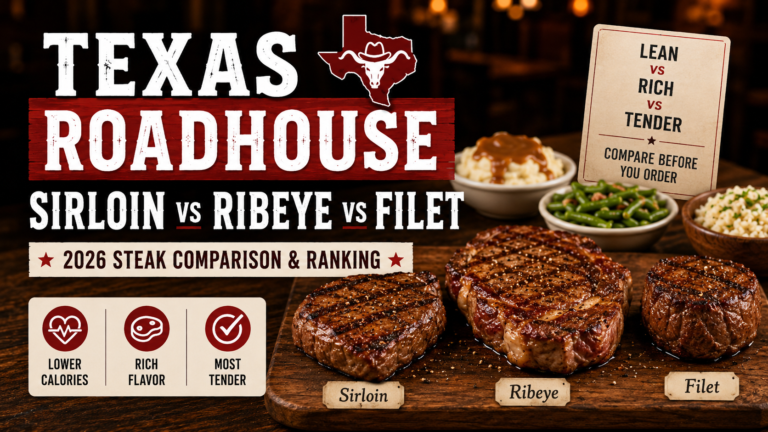
- Steaks: While you can choose leaner cuts like the Sirloin, larger portions and added butter or sauces increase calories. Ribeye and Porterhouse cuts are generally higher in fat.
- Ribs: The Fall-Off-The-Bone Ribs, especially a full rack, are a significant calorie source, further boosted by the BBQ sauce.
- Sides: Sweet Potato with Marshmallows, Mashed Potatoes with Gravy, Green Beans with Bacon, and Macaroni & Cheese are classic, but calorie-heavy choices.
- Drinks: A large sweet tea or soda can easily add 200-300 calories.
Smarter Choices at Texas Roadhouse:
Leaner Steaks: Opt for a smaller portion of a leaner cut like the Sirloin. Ask for no butter* or seasoning with excessive salt/fat.
- Grilled Chicken: The Grilled Chicken Critters or Grilled Chicken Salad (dressing on the side) can be good options.
- Sides: Choose a side salad with vinaigrette (on the side), steamed vegetables (ask for no butter), or a plain baked potato (go easy on toppings). The “Ranch Style Beans” can be a relatively lower-calorie vegetable option if you skip the bacon.
- Appetizers: Consider sharing a lighter appetizer or skipping it altogether.
For a more detailed breakdown of Texas Roadhouse’s nutritional information, you can explore resources like the Texas Roadhouse nutrition calculator.
Chili’s: A Broader Spectrum
Chili’s offers a more diverse menu, which can sometimes make it easier to find lighter options, but also presents its own set of pitfalls.
High-Calorie Traps:
- Appetizers: The Triple Dipper allows you to choose three appetizers, but selections like Boneless Wings, Loaded Queso, and Mozzarella Sticks are calorie-dense.
- Burgers: Burgers, especially those with bacon, cheese, and creamy sauces, can be very high in calories. The Big Mouth Burgers are particularly substantial.
- Fajitas: While you control the toppings, the cheese, sour cream, and extra tortillas can significantly boost the calorie count. The sizzling steak or chicken fajitas themselves are often prepared with oil.
- Pasta Dishes: Creamy pasta dishes are notoriously high in calories and fat.
- Sides: Fries, loaded mashed potatoes, and mac and cheese are common sides that add calories.
Smarter Choices at Chili’s:
- Salads: Chili’s offers several salads. Opt for grilled chicken or shrimp and ask for the dressing on the side. Vinaigrettes are typically lighter than creamy options. Be mindful of additions like crispy tortilla strips, cheese, and bacon.
- Grilled Chicken/Fish: Entrees like the Grilled Chicken Breast or Blackened Fish Tacos (ask for fewer tortillas or skip the cheese/sour cream) can be good choices.
- Lighter Entrees: Look for options like the Veggie Fajitas (with controlled toppings) or the Turkey Stackhouse Burger (often lower in fat than beef burgers).
- Sides: Opt for a side salad with vinaigrette, black beans (ask for no cheese/sour cream), or steamed veggies.
- Drinks: Stick to water, unsweetened iced tea, or diet soda.
Making the Choice: Texas Roadhouse vs. Chili’s Nutrition
So, which chain generally offers fewer calories? It’s not a simple answer because it entirely depends on what you order.
If you’re craving steak and sides: Texas Roadhouse can* be higher in calories due to its focus on richer cuts and hearty, often fried or butter-laden sides. However, a lean sirloin with a side salad and steamed veggies is manageable.
If you’re looking for variety: Chili’s might offer more potential* for lighter meals, especially with their salads and grilled options. But their indulgent options are just as calorie-dense as anything at Texas Roadhouse.
A significant factor is portion control and customization. Both restaurants allow you to make modifications. Asking for sauces and dressings on the side, opting for grilled over fried, choosing steamed vegetables over creamy sides, and being mindful of appetizer and drink choices are universally effective strategies.
According to data compiled by various nutrition tracking sites, a typical “indulgent” meal at either restaurant can easily exceed 1,500-2,000 calories. For example, a full rack of ribs at Texas Roadhouse with a loaded side can push past 2,000 calories. Similarly, a loaded burger with fries and a milkshake at Chili’s can reach similar heights. However, a grilled chicken salad at Chili’s with light dressing might be around 600-800 calories, while a leaner steak dinner with healthier sides at Texas Roadhouse could fall into a similar range.
The U.S. Department of Agriculture (USDA) recommends daily caloric intake for adults typically ranging from 1,600 to 3,000 calories, depending on age, sex, and activity level. A single meal at either of these restaurants can easily consume a large portion, if not all, of a person’s daily recommended intake. This highlights the importance of mindful ordering.
Tips for a Healthier Dining Experience
Regardless of whether you choose Texas Roadhouse or Chili’s, here are some universal tips:
- Check Nutrition Information: Many restaurants now provide detailed nutritional information online or upon request. Use resources like the Texas Roadhouse nutrition calculator or Chili’s online menu to plan ahead.
- Portion Control: Consider ordering a smaller entree or sharing a larger one. Many places offer lunch portions or half-portions.
- Smart Substitutions: Swap fries for a side salad, steamed vegetables, or black beans. Ask for no butter or cheese.
- Sauces and Dressings on the Side: This is crucial. You can then control how much you use. Opt for vinaigrettes or lighter options when possible.
- Limit Fried Foods: Choose grilled, baked, or broiled options instead.
- Watch Your Drinks: Stick to water, diet soda, or unsweetened tea. Sugary drinks add empty calories.
- Be Wary of “Freebies”: Texas Roadhouse’s rolls and butter, while delicious, are calorie-dense. Chili’s chips and salsa can also add up quickly. Enjoy them in moderation or skip them.
Conclusion
Ultimately, the battle of Texas Roadhouse vs. Chili’s nutrition isn’t about which restaurant is inherently “healthier,” but rather about empowering yourself to make the best choices within the context of each menu. Both offer delicious, satisfying meals, but they also offer plenty of opportunities to overindulge. By being informed about common calorie traps, utilizing available nutritional information, and employing smart ordering strategies, you can absolutely enjoy a meal at either Texas Roadhouse or Chili’s without completely sacrificing your health goals. Remember, moderation and mindful choices are key to enjoying your dining experience to the fullest.
Frequently Asked Questions
What is the highest-calorie item at Texas Roadhouse?
While it can vary slightly with specific preparations and portion sizes, the Cactus Blossom appetizer and a full rack of Fall-Off-The-Bone Ribs are consistently among the highest-calorie items at Texas Roadhouse. These items, often deep-fried or coated in rich sauces and served with high-calorie dipping sauces, can individually exceed 1,500-2,000 calories.
What is the lowest-calorie entree at Chili’s?
Chili’s generally offers a few lower-calorie options, particularly among their salads and grilled dishes. A Grilled Chicken Salad with a light vinaigrette dressing served on the side, or a simple Grilled Chicken Breast entree with steamed vegetables or black beans (without cheese or sour cream), can often be found in the 500-700 calorie range, making them some of the lighter choices on the menu.
Can I eat healthy at Texas Roadhouse?
Yes, it is possible to eat relatively healthy at Texas Roadhouse, but it requires careful selection. Opt for leaner steaks like the Sirloin, ask for no added butter, and choose sides like a side salad with vinaigrette (on the side), steamed vegetables (no butter), or a plain baked potato (go easy on toppings). Avoid fried appetizers and rich, creamy sides.
Are Chili’s fajitas healthy?
Chili’s fajitas can be a moderate choice, but their healthiness depends heavily on preparation and accompaniments. The grilled chicken or steak and vegetables themselves are relatively lean. However, the tortillas, cheese, sour cream, and guacamole can significantly increase the calorie and fat content. To make them healthier, limit your intake of tortillas and high-fat toppings, or ask for them on the side.
How many calories are in Texas Roadhouse rolls?
The famous Texas Roadhouse rolls are quite calorie-dense. While the exact number can vary, a single roll with butter is estimated to contain around 200-250 calories. Given that many people enjoy multiple rolls, this “freebie” can add a substantial amount of calories before your main meal even arrives.
What’s the nutritional difference between a steak at Texas Roadhouse and a burger at Chili’s?
Nutritionally, the difference depends entirely on the specific cut of steak and the type of burger. A lean Sirloin steak at Texas Roadhouse (around 6-8 oz) might be 400-600 calories, whereas a fatty Ribeye could be 800-1000+ calories. Similarly, a basic Chili’s cheeseburger might be around 700-900 calories, but a loaded burger like the Big Mouth Burger can easily exceed 1,000 calories, especially when paired with fries. Generally, leaner steak cuts tend to be lower in calories than most burgers, but rich preparations can equalize them.